
Why Quick Stress Relief Matters
Stress does not wait for a convenient time to show up. It hits you in the middle of a workday, during your commute, before an important meeting, after a tough conversation, or at 2 AM when your brain decides to replay every embarrassing moment from the last decade. You cannot always take an hour-long yoga class or schedule a spa day when stress strikes. What you can do is have a collection of stress relief activities that work in 10 minutes or less.
Quick stress relief is not a substitute for long-term stress management strategies - those matter too. But having tools that work in the moment can prevent a stressful situation from spiraling into a full-blown anxiety attack, an emotional meltdown, or a physical stress response that affects your entire day.
The science behind these techniques is solid. When you are stressed, your sympathetic nervous system activates your fight-or-flight response, flooding your body with cortisol and adrenaline. Quick stress relief activities work by activating your parasympathetic nervous system - the “rest and digest” system - which counteracts the stress response and brings your body back to baseline.
Here are 20 proven stress relief activities, each designed to take 10 minutes or less, organized by category so you can find what works best for your situation.
Breathing-Based Stress Relief Activities
Breathing techniques are the fastest way to activate your parasympathetic nervous system. They work anywhere, require no equipment, and can produce noticeable results in as little as 60 seconds.
1. Box Breathing (4 Minutes)
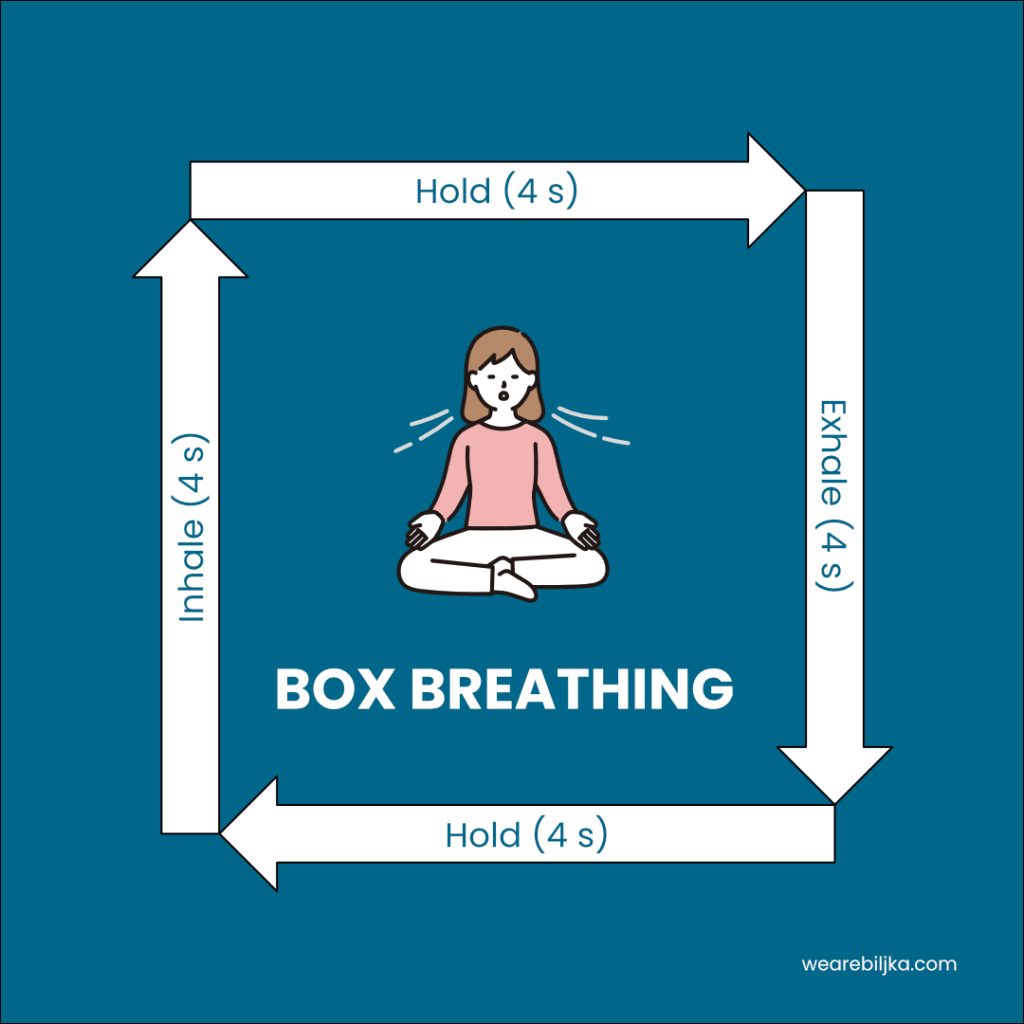
Breathe in for 4 counts. Hold for 4 counts. Breathe out for 4 counts. Hold for 4 counts. Repeat for 4 minutes. This technique is used by Navy SEALs to manage stress in high-pressure situations. If it works in combat, it can work during your meeting with your manager.
2. The 4-7-8 Technique (5 Minutes)
Breathe in through your nose for 4 counts. Hold your breath for 7 counts. Exhale through your mouth for 8 counts. The extended exhale is the key - it directly stimulates your vagus nerve, which is the main highway of your parasympathetic nervous system. Do 4 to 8 cycles.
3. Physiological Sigh (1 Minute)
This is the fastest breathing technique backed by neuroscience. Take a quick double inhale through your nose - one normal breath immediately followed by a shorter sharp breath that fully inflates your lungs. Then do one long, slow exhale through your mouth. Repeat 2-3 times. Stanford researchers found this technique reduces stress more effectively than traditional meditation in just one minute.
4. Belly Breathing (5 Minutes)
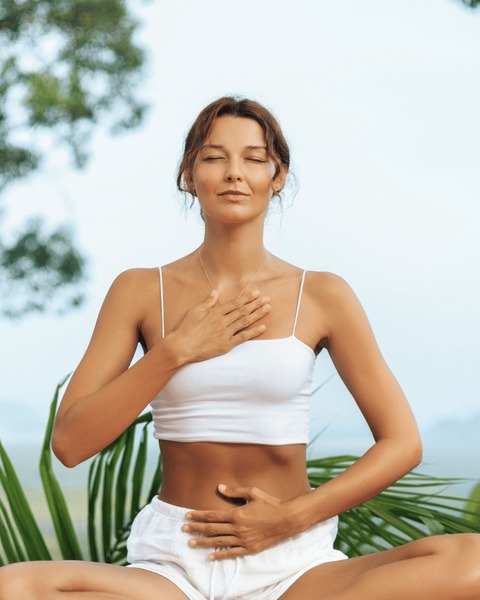
Place one hand on your chest and one on your belly. Breathe in slowly through your nose, directing the air into your belly so your lower hand rises while your upper hand stays still. Exhale slowly through your mouth. This type of diaphragmatic breathing is one of the most natural stress relief activities because it mimics the way you breathe when you are fully relaxed.
Physical Movement Stress Relievers
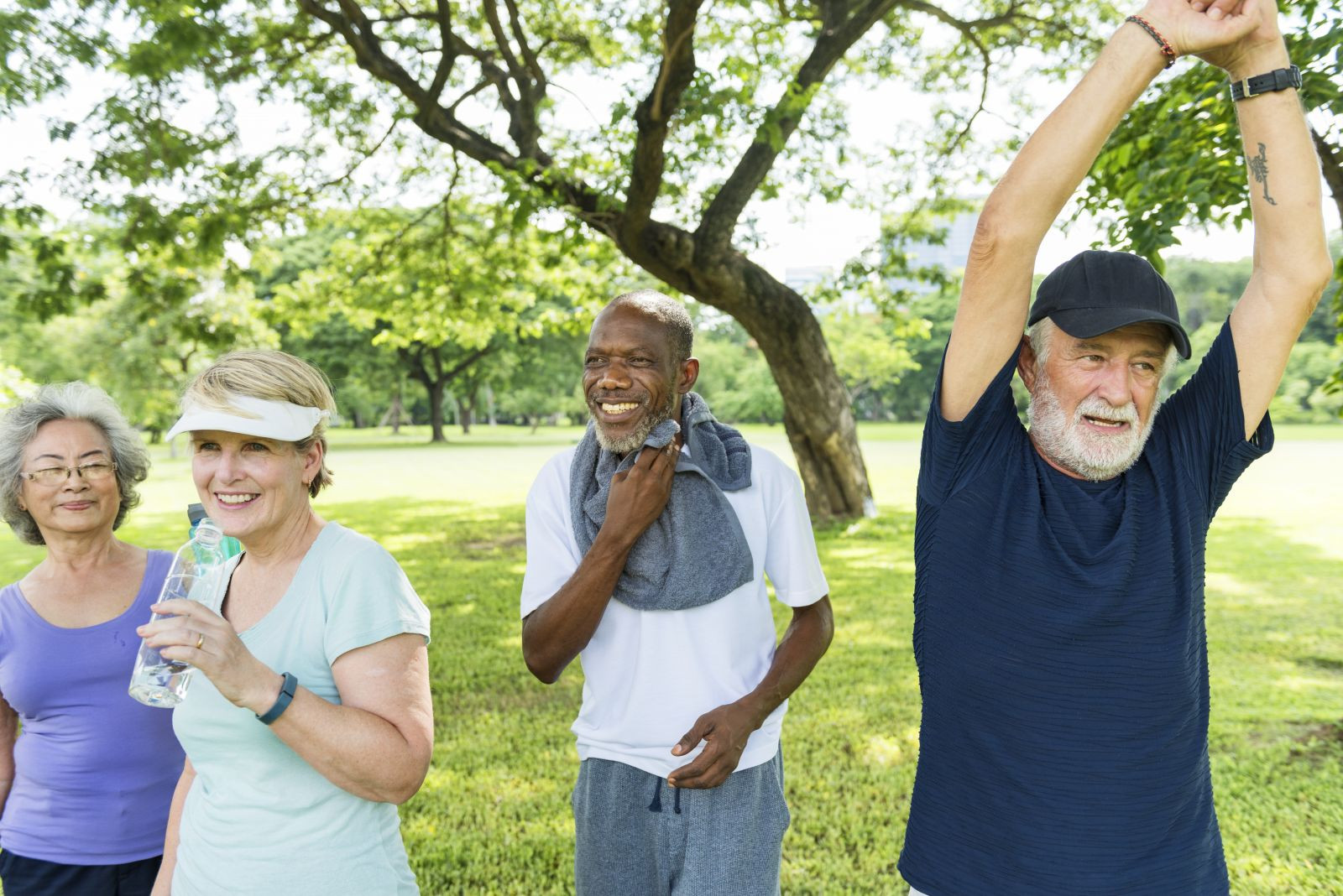
Movement burns off stress hormones and releases endorphins. You do not need a gym membership or workout clothes - these activities work in whatever you are wearing, wherever you are.
5. Power Walk (10 Minutes)
Walk briskly for 10 minutes - around the block, up and down stairs, through a parking lot. Moving your body at a pace slightly faster than comfortable increases blood flow, oxygenates your brain, and shifts your focus from internal worries to your physical environment. If you can get outside, the combination of movement plus fresh air doubles the benefit.
6. Progressive Muscle Relaxation (7 Minutes)
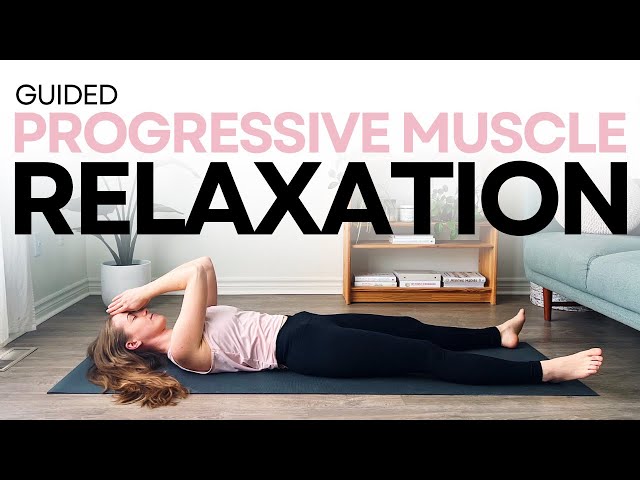
Starting from your toes and working up, tense each muscle group for 5 seconds, then release for 10 seconds. Feet, calves, thighs, glutes, stomach, chest, hands, arms, shoulders, neck, face. By the time you reach your face, your entire body will feel noticeably more relaxed. This technique works because physical tension and mental stress are deeply connected - releasing one releases the other.
7. Shake It Off (3 Minutes)
Stand up and literally shake your body. Start with your hands, then arms, then shoulders, then hips, then legs. Shake vigorously for 2-3 minutes. This might feel silly, but it is based on how animals release stress after a threatening encounter. Your body stores stress as tension, and shaking releases it physically.
8. Desk Stretching (5 Minutes)
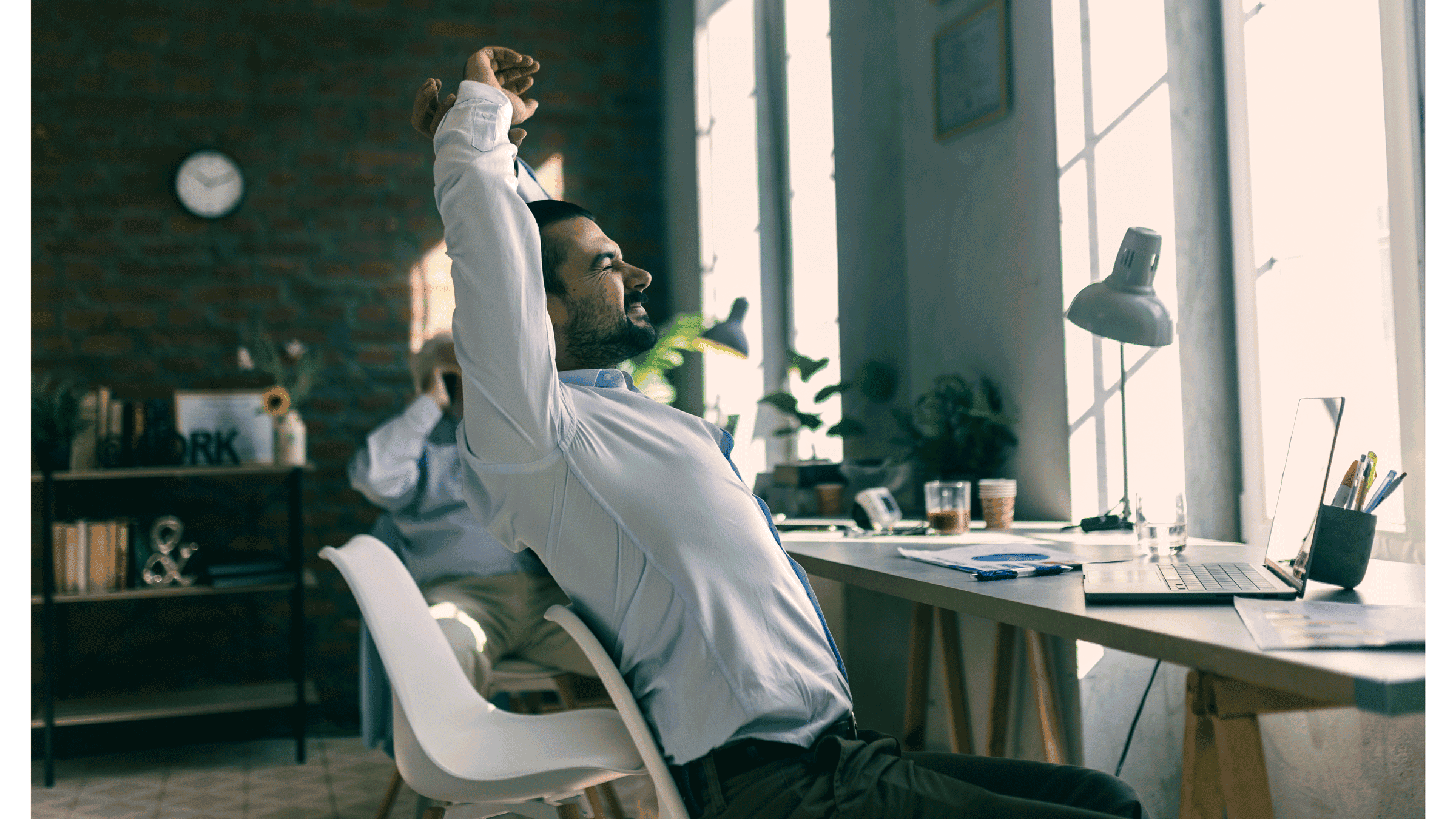
Roll your neck in slow circles. Stretch your arms overhead. Twist gently at the waist. Roll your shoulders backward. Stretch your wrists and fingers. These simple stretches release the tension that accumulates in your body during long periods of sitting, especially if you carry stress in your neck, shoulders, or back.
9. Dance Break (5 Minutes)
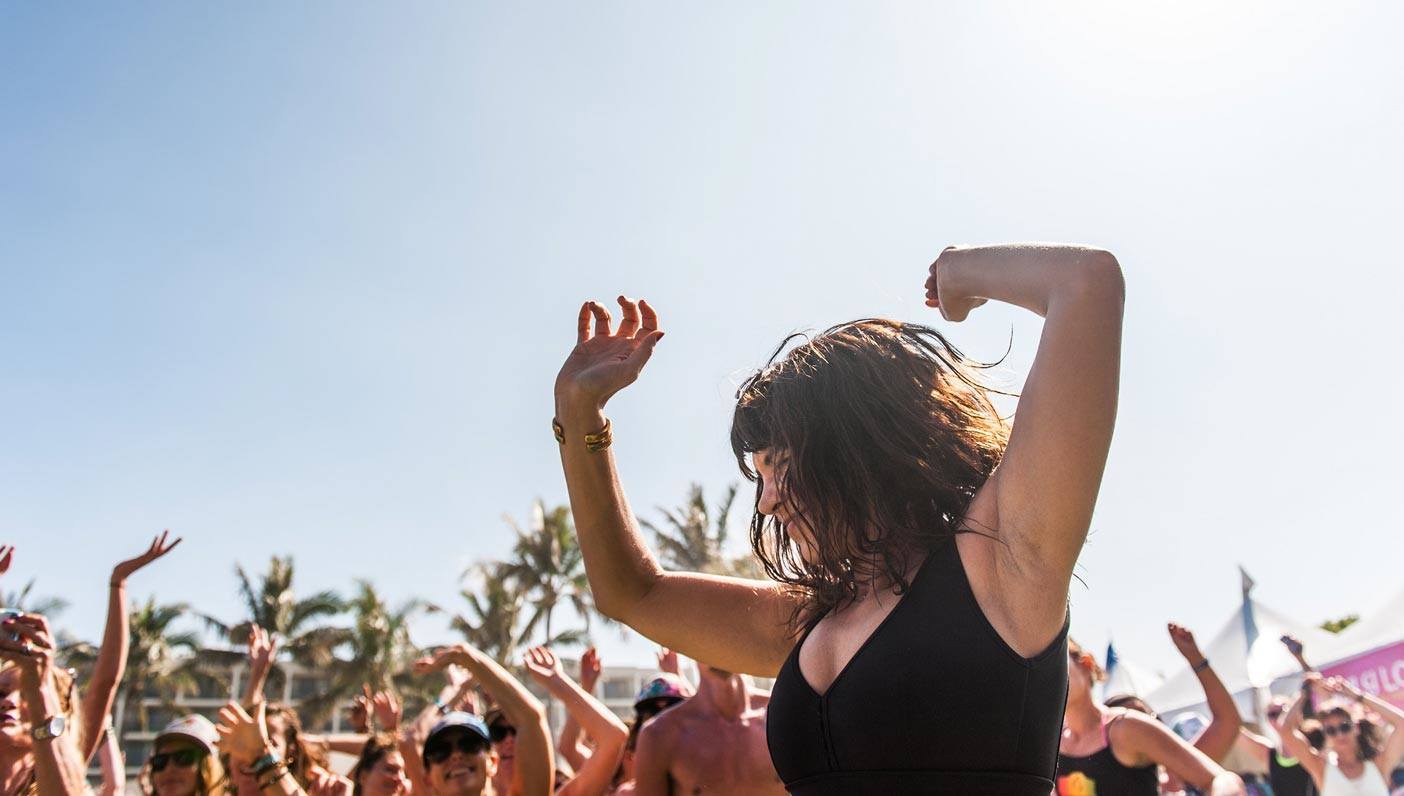
Put on your favorite upbeat song and dance like nobody is watching. Close your office door, put in your earbuds, or wait until you are alone - then move. Dancing combines physical movement with music and joy, making it one of the most effective and enjoyable stress relief activities available. You will feel ridiculous and you will feel better. Both things can be true.
Sensory Grounding Techniques

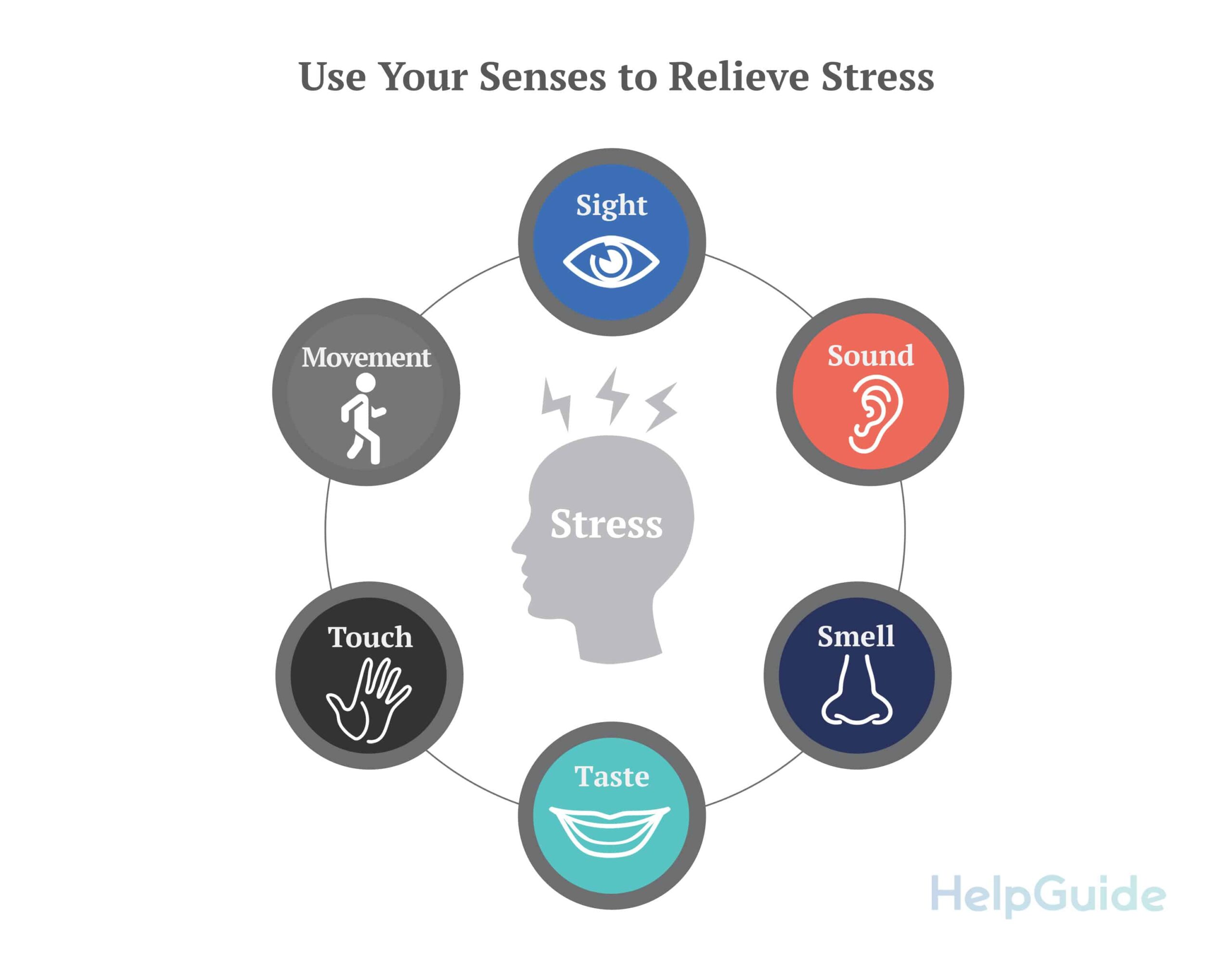
When stress pulls you into your head - into worries about the future or regrets about the past - sensory grounding brings you back to the present moment. These techniques use your five senses to anchor you in the here and now.
10. The 5-4-3-2-1 Technique (5 Minutes)
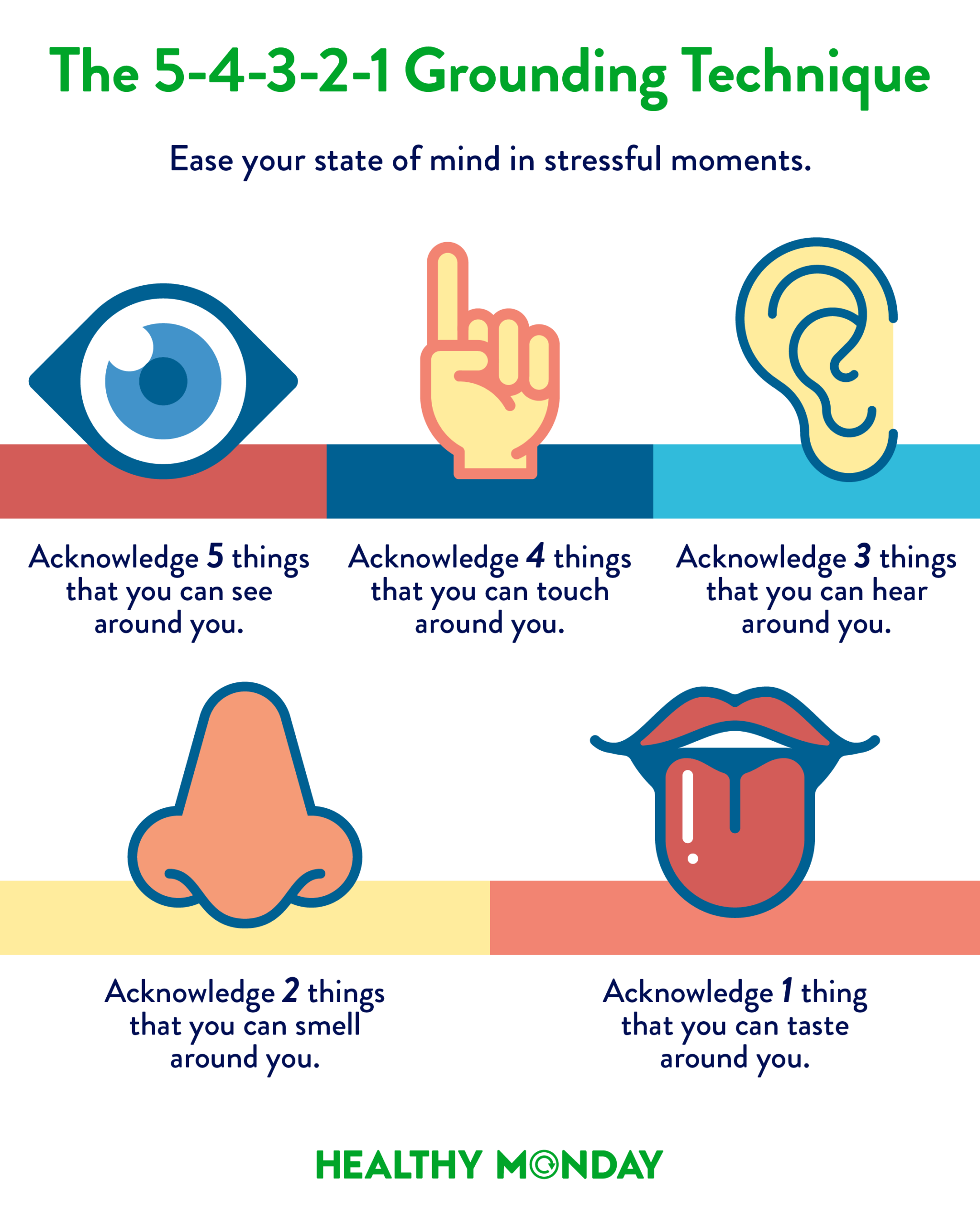
Name 5 things you can see. 4 things you can touch. 3 things you can hear. 2 things you can smell. 1 thing you can taste. This technique interrupts anxious thought spirals by forcing your brain to focus on sensory input rather than mental chatter. It works remarkably well for acute anxiety and panic.
11. Cold Water Splash (2 Minutes)

Splash cold water on your face and wrists, or hold an ice cube in your hands. The cold activates your dive reflex, which is a built-in stress-reduction mechanism that slows your heart rate and lowers your blood pressure. This is one of the fastest ways to interrupt a stress response in your body.
12. Aromatherapy (5 Minutes)
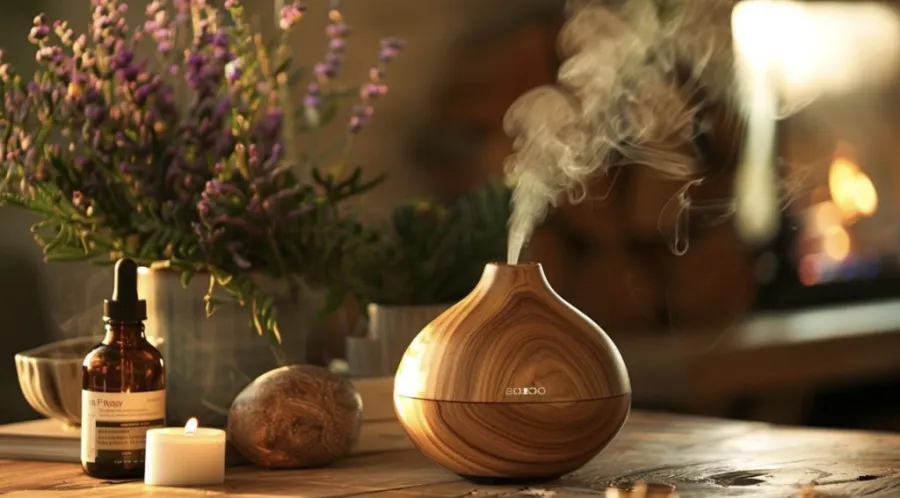
Certain scents have been scientifically shown to reduce stress and anxiety. Lavender, chamomile, bergamot, and peppermint are among the most effective. Keep an essential oil roller or a scented hand cream at your desk for quick access. A lavender essential oil roller is portable enough to carry in your bag for on-the-go stress relief.
13. Warm Beverage Ritual (5 Minutes)
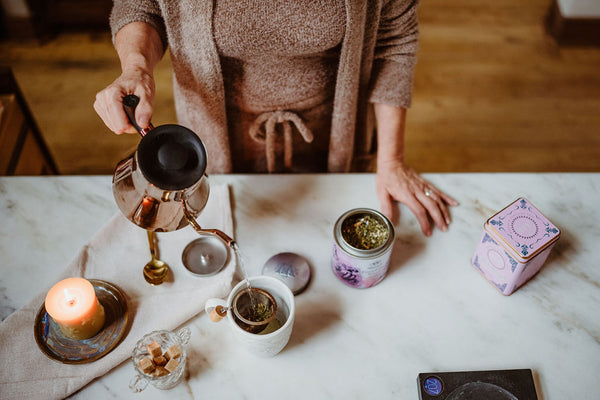
Make a cup of tea or warm water with lemon. Hold the warm mug in both hands. Focus on the warmth, the aroma, and the taste as you sip slowly. This simple ritual combines warmth (which relaxes muscles), hydration (which supports brain function), and mindfulness (which interrupts stress patterns). Chamomile tea has the added benefit of containing compounds that genuinely reduce anxiety.
Creative and Mindful Activities
Engaging your brain in a creative or focused activity can redirect mental energy away from stress and toward something productive or soothing.
14. Journaling Brain Dump (10 Minutes)
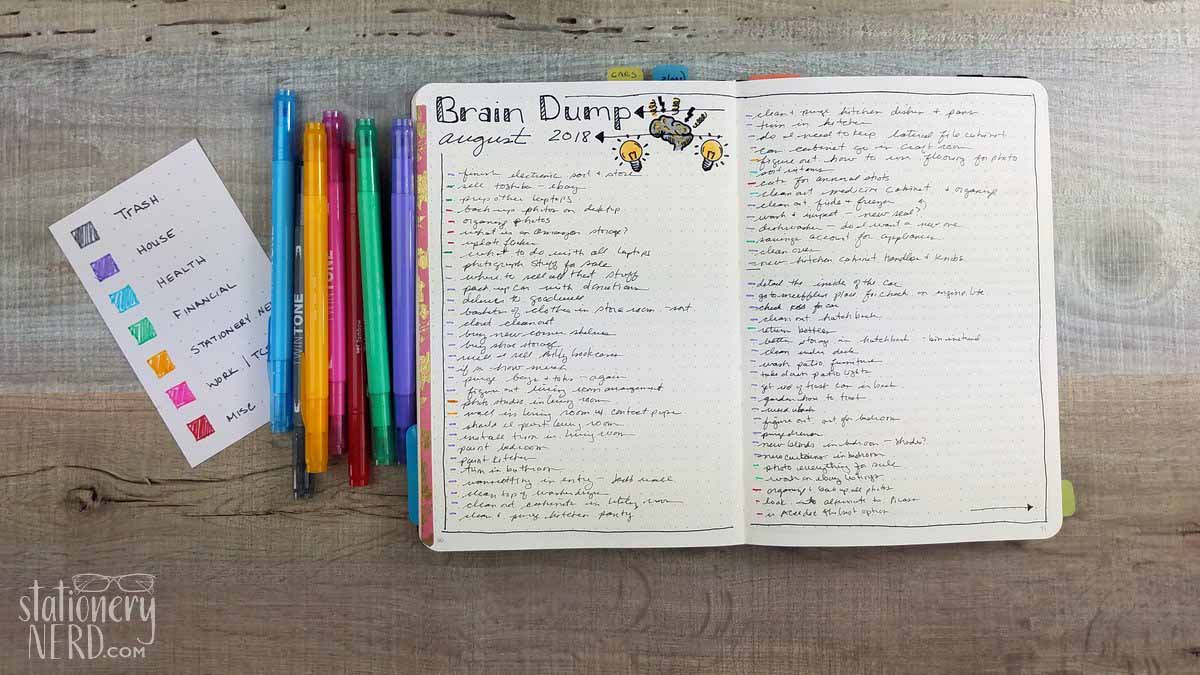
Set a timer for 10 minutes and write everything that is on your mind without filtering, editing, or censoring. Get every worry, frustration, and anxious thought out of your head and onto paper. You are not trying to solve anything - you are trying to externalize the mental clutter so it stops circling inside your head. Many people find that once the thoughts are on paper, they feel significantly lighter. A stress relief journal with guided prompts makes this even easier.
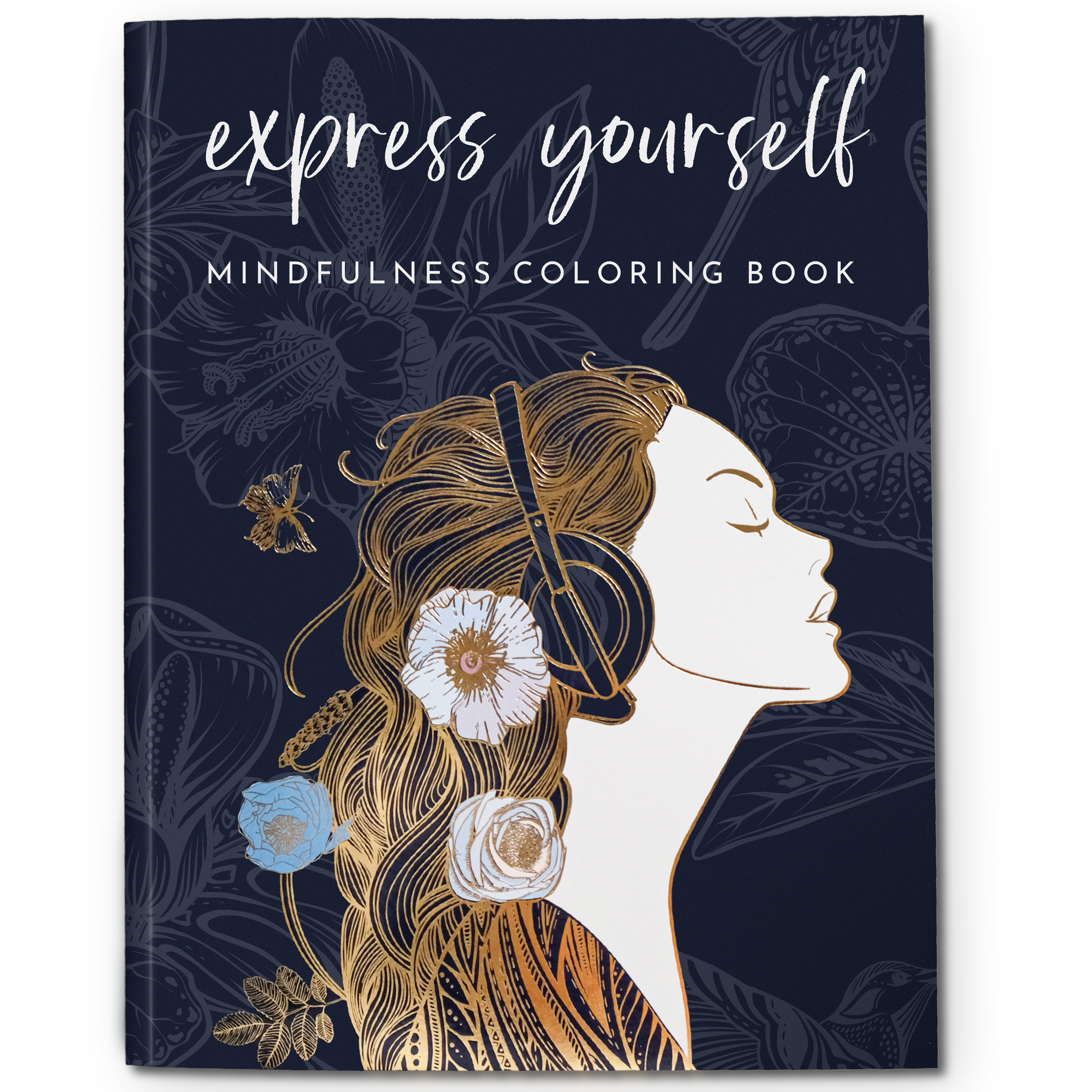
15. Coloring (10 Minutes)

Adult coloring books exist for a reason - the repetitive, focused activity of coloring engages the parts of your brain that manage motor function and creativity while quieting the parts that generate worry and anxiety. Keep a small coloring book and a few colored pencils in your desk drawer for stressful moments.
16. Guided Meditation (5-10 Minutes)
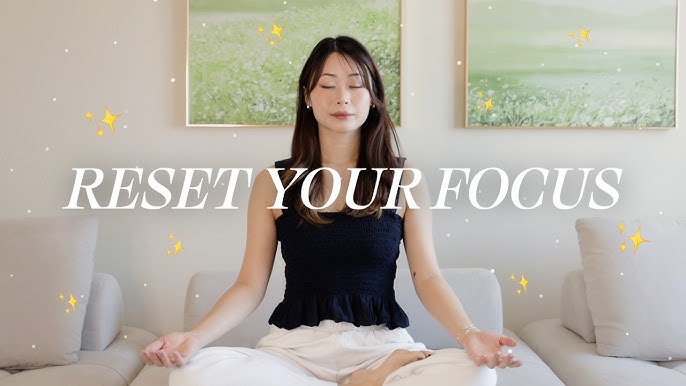
You do not need to be a meditation expert to benefit from a quick guided session. Apps like Calm, Headspace, and Insight Timer have thousands of short meditations designed specifically for stress relief. Put in your earbuds, close your eyes, and let someone else guide your brain to a calmer place.
17. Visualization (5 Minutes)

Close your eyes and mentally transport yourself to a place that feels safe and peaceful. Maybe it is a beach, a forest, your grandmother’s kitchen, or your favorite cozy spot at home. Engage all your senses - what do you see, hear, smell, and feel in this place? Your nervous system does not fully distinguish between real and imagined experiences, so vivid visualization can genuinely calm your stress response.
Social and Connection-Based Relief
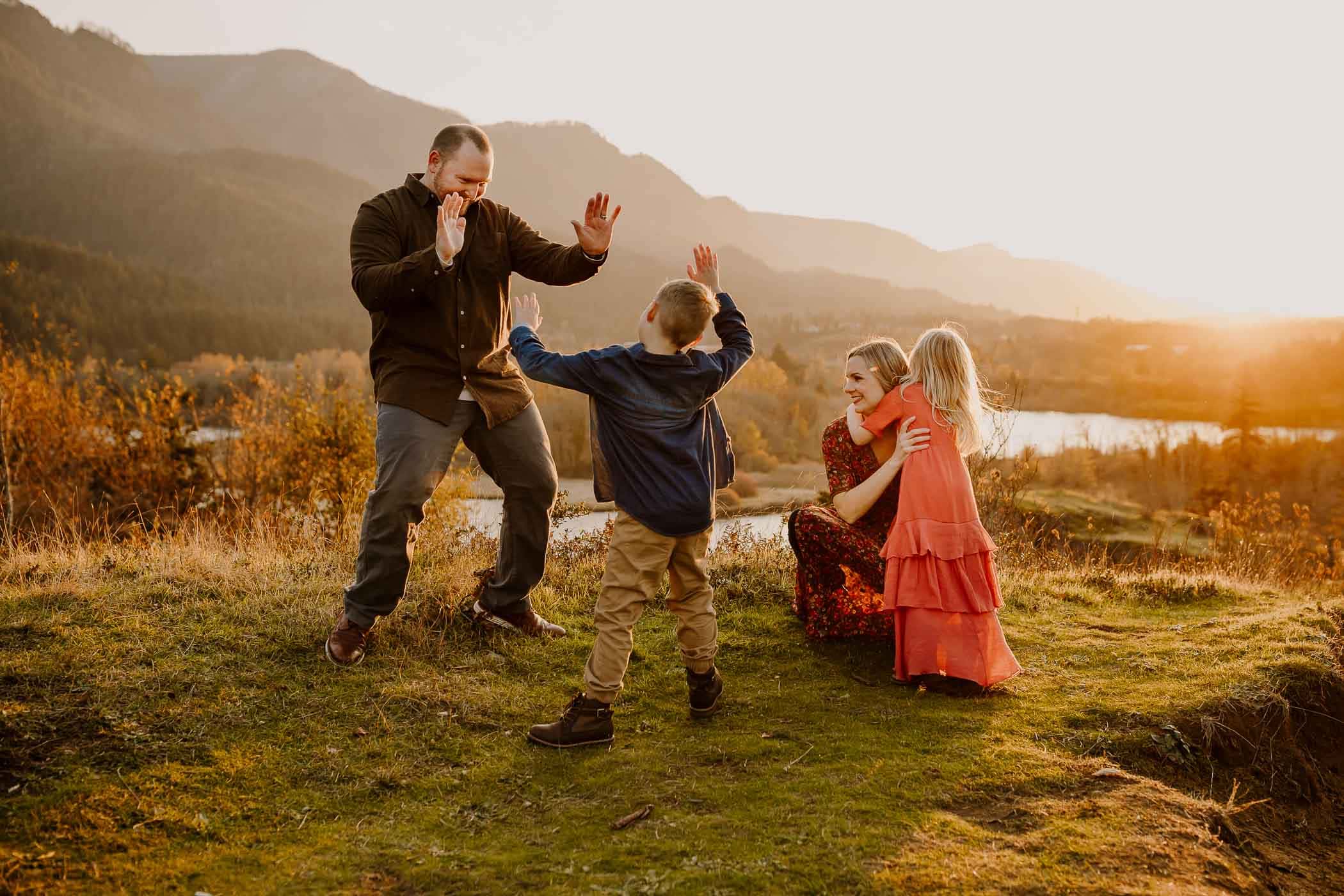
Human connection is one of the most powerful stress relievers we have access to. Even brief moments of genuine connection can significantly lower cortisol levels.
18. Call or Text a Friend (5-10 Minutes)
Reach out to someone who makes you feel good. You do not have to talk about what is stressing you - sometimes just hearing a friendly voice or having a lighthearted exchange is enough to shift your mood. The key is connecting with someone who energizes you, not someone who adds to your stress.
19. Hug Someone (1 Minute)
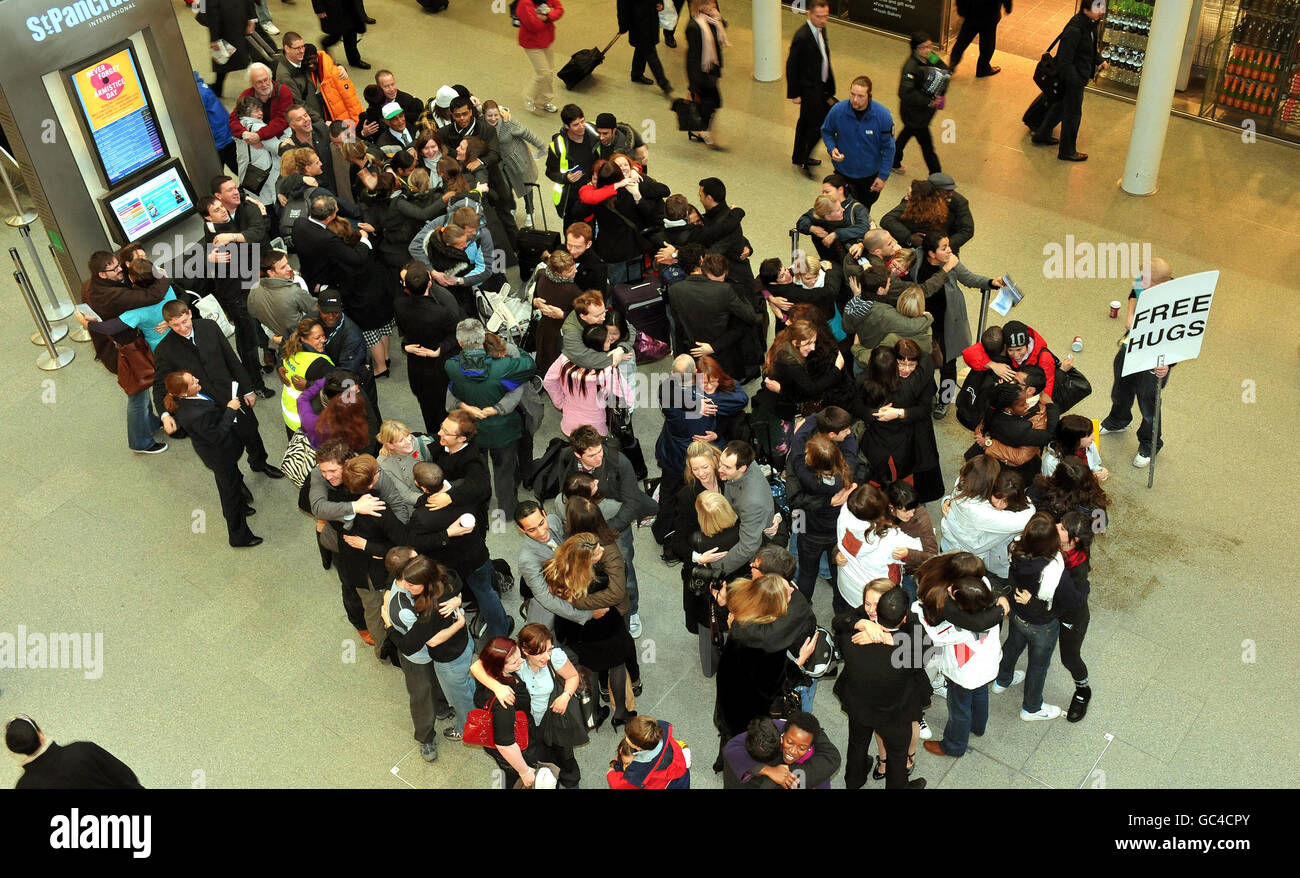
Research shows that a 20-second hug releases oxytocin, which directly counteracts cortisol. Hug your partner, your child, your friend, or your pet. If nobody is available, give yourself a hug - cross your arms, squeeze gently, and hold for 20 seconds. Self-hugs have been shown to reduce physical pain and emotional distress.
20. Pet an Animal (5-10 Minutes)
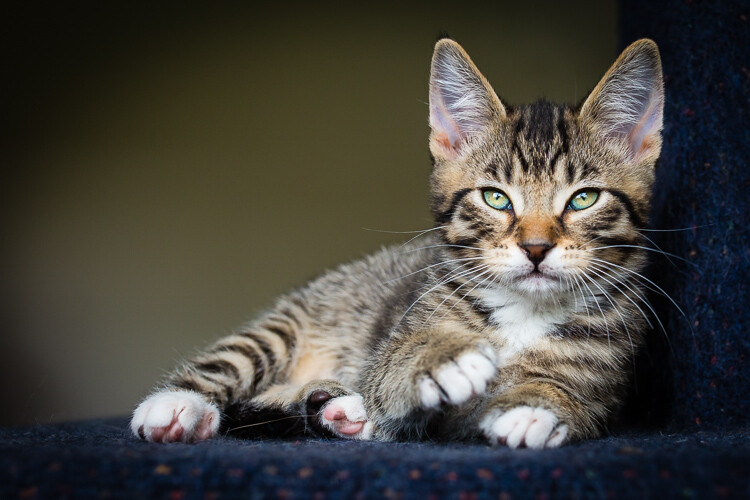
If you have a pet, spend a few minutes focused entirely on them. Pet them, talk to them, play with them. Interacting with animals has been repeatedly shown to lower blood pressure, reduce cortisol, and increase serotonin and dopamine. If you do not have a pet, watching animal videos has been shown to produce a milder but still measurable stress-reduction effect. Science says cute animal content is good for you.
Building a Personal Stress Relief Toolkit
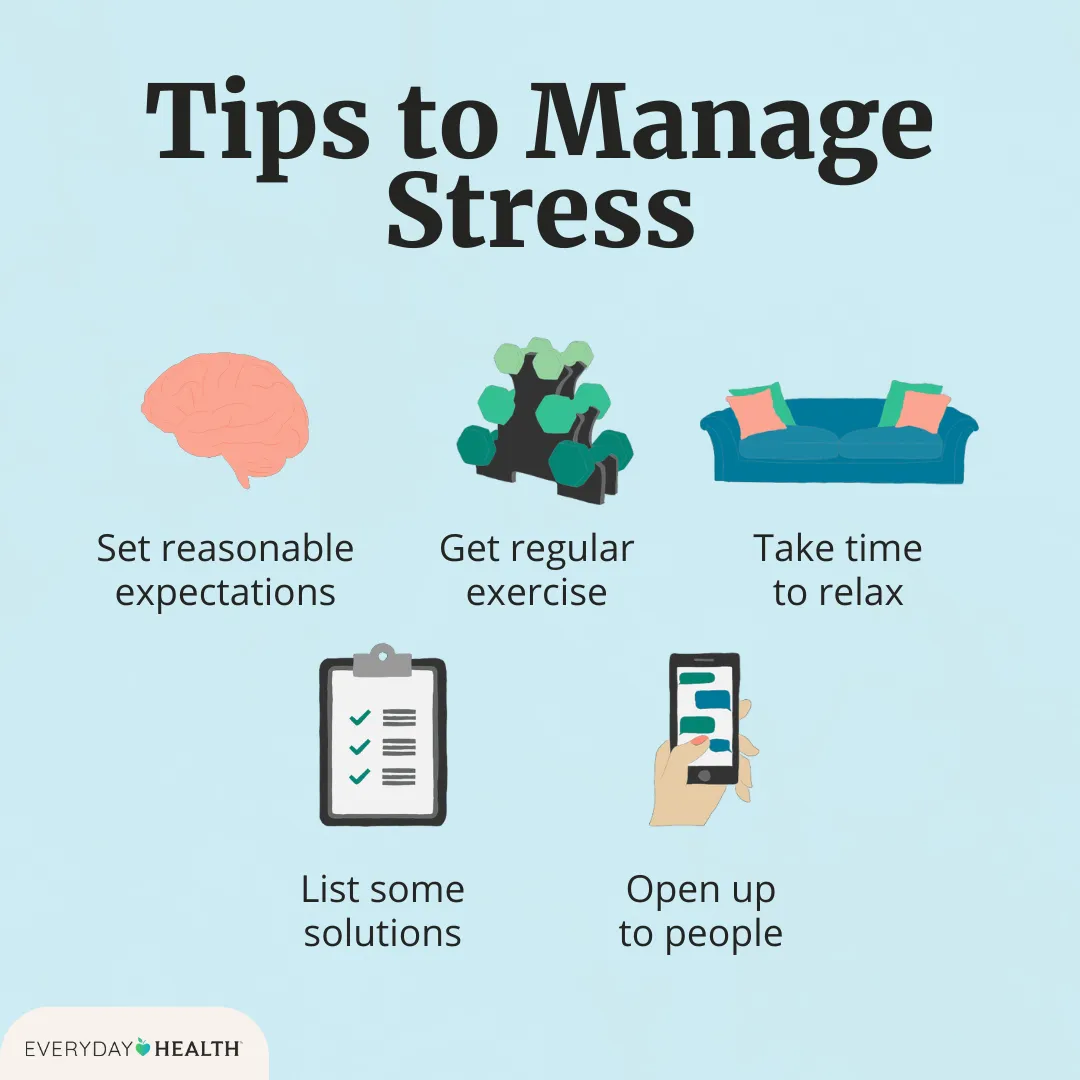
The most effective stress management approach is having a variety of tools ready for different situations. Not every technique works in every context, so building a personal toolkit ensures you always have an option available.
For the Office

Keep these at your desk: a stress ball or fidget toy, an essential oil roller, a small journal, headphones for guided meditations, and a coloring book. When stress hits during the workday, you have immediate access to multiple coping tools without leaving your desk.
For On-the-Go

The breathing techniques and the 5-4-3-2-1 grounding exercise require nothing but your body and can be done anywhere - on a bus, in a waiting room, in a bathroom stall. A discreet anxiety fidget ring is another portable option that looks like regular jewelry but gives you something to channel nervous energy into.
For Home
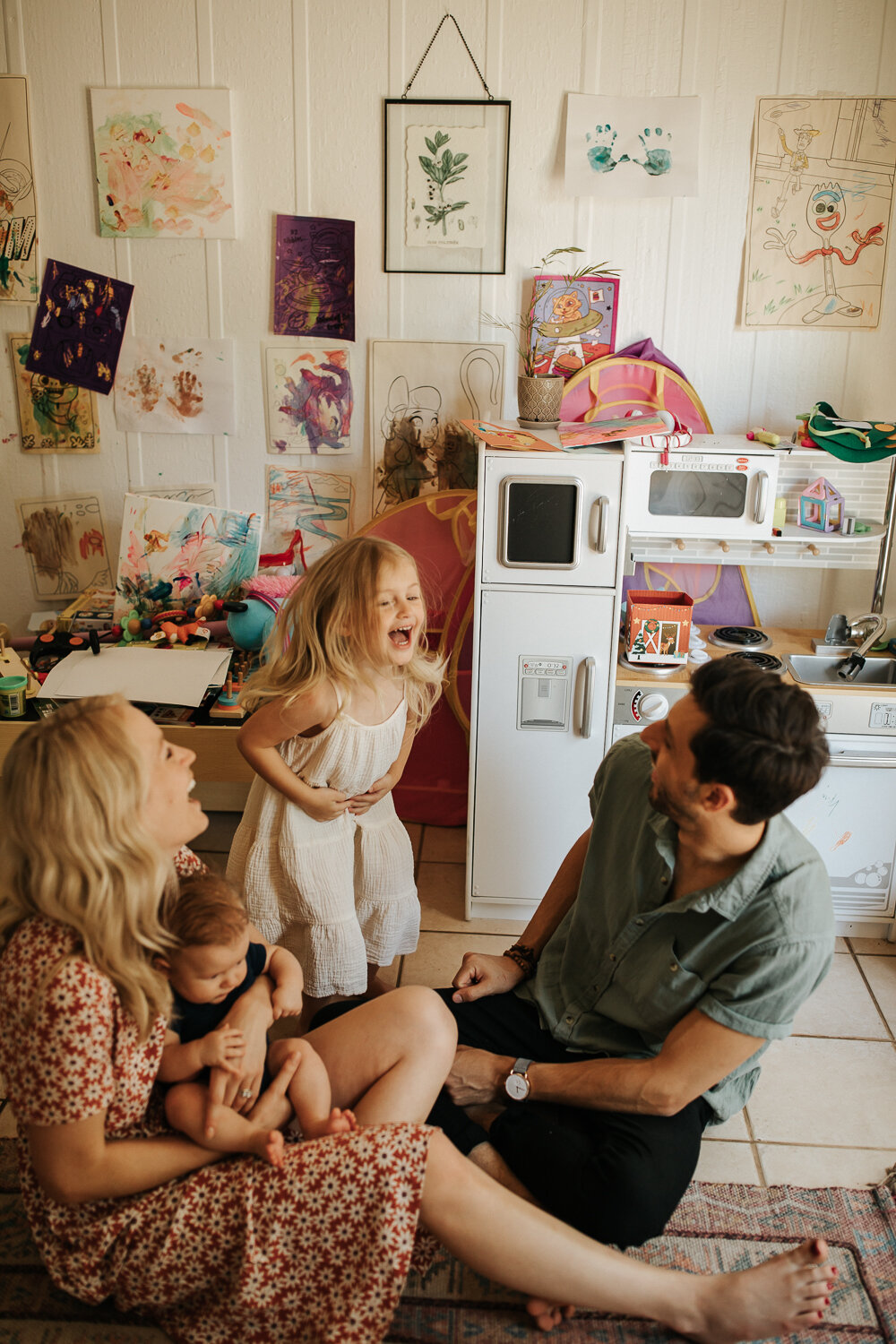
At home, you have more options. Dance, take a warm shower, do a full progressive muscle relaxation session, journal, call a friend, or hug your pet. Having a designated “reset spot” in your home - a comfortable chair, a corner with a blanket and candle - can create a Pavlovian association that helps your body start relaxing the moment you sit down.
Know Your Patterns

Pay attention to when stress tends to hit hardest for you. Is it in the morning before work? During afternoon energy dips? Late at night? Knowing your patterns lets you proactively deploy stress relief techniques before the stress becomes overwhelming. Prevention is always easier than reaction.
Practice When You Are Calm

Stress relief techniques work better when you have practiced them in a non-stressful state. Try each technique during a calm moment so your body learns the process. Then when stress hits, the technique is familiar and your body knows how to respond. Think of it like a fire drill - you practice so that when the real thing happens, your response is automatic.
Key Takeaways
- Quick stress relief activities work by activating your parasympathetic nervous system, counteracting the fight-or-flight stress response.
- Breathing techniques like box breathing, the 4-7-8 method, and the physiological sigh are the fastest tools, producing results in as little as 60 seconds.
- Physical movement - walking, dancing, shaking, stretching - burns off stress hormones and releases endorphins.
- Sensory grounding techniques like the 5-4-3-2-1 method and cold water splash bring you back to the present moment during anxiety spirals.
- Creative activities like journaling, coloring, and guided meditation redirect mental energy away from stress.
- Building a personal stress relief toolkit with multiple techniques for different situations ensures you always have a tool available when stress hits.
Frequently Asked Questions
Which stress relief activity works the fastest?
The physiological sigh - a double inhale followed by an extended exhale - has been shown by Stanford researchers to reduce stress faster than any other single technique, often within just one to three breaths. For a slightly longer intervention, the cold water splash on the face and wrists produces near-immediate results by activating your mammalian dive reflex.
Can quick stress relief replace therapy or medication?
No. These techniques are excellent for managing everyday stress and acute stress moments, but they are not a substitute for professional help if you are dealing with chronic anxiety, clinical depression, PTSD, or other mental health conditions. Think of these as tools in a larger toolkit that might also include therapy, medication, lifestyle changes, and professional support.
What if none of these techniques seem to work for me?
Not every technique resonates with every person. Experiment with all of them and pay attention to which ones produce the most noticeable shift in how you feel. Also consider that if stress feels unmanageable despite using these tools, you may benefit from speaking with a mental health professional who can help you develop a more personalized coping strategy.
How often should I practice stress relief techniques?
Ideally, incorporate at least one technique into your daily routine as a preventive measure, not just a reactive one. A morning breathing practice, a lunchtime walk, or an evening journaling session can lower your baseline stress level so that when acute stress hits, you are starting from a calmer place and have more capacity to cope.