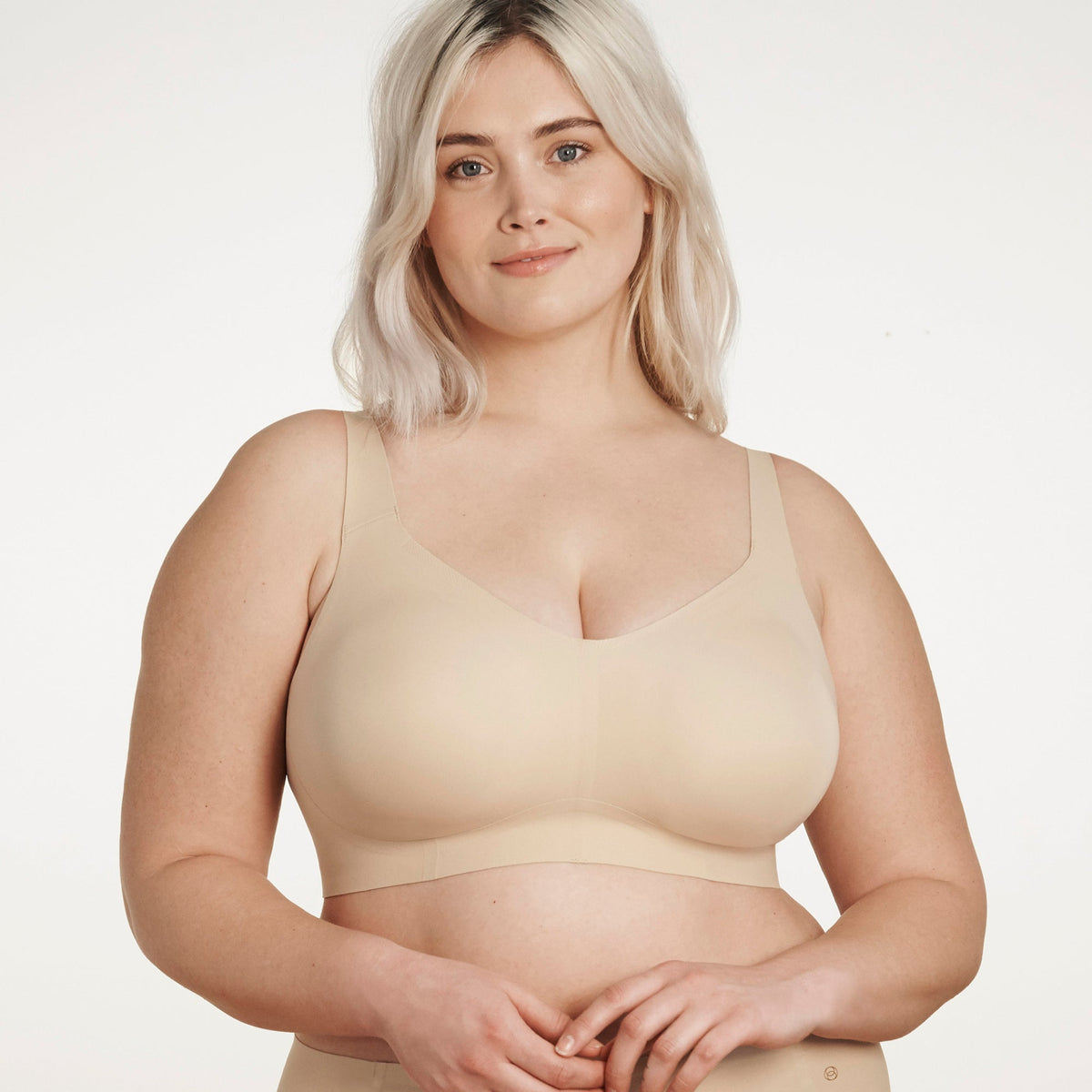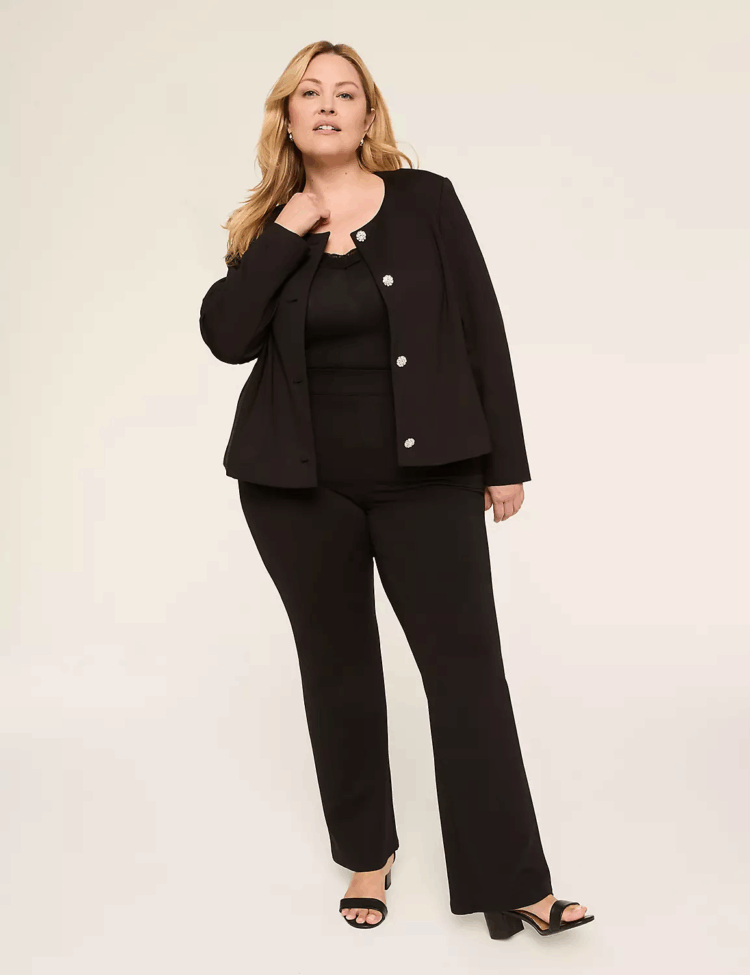
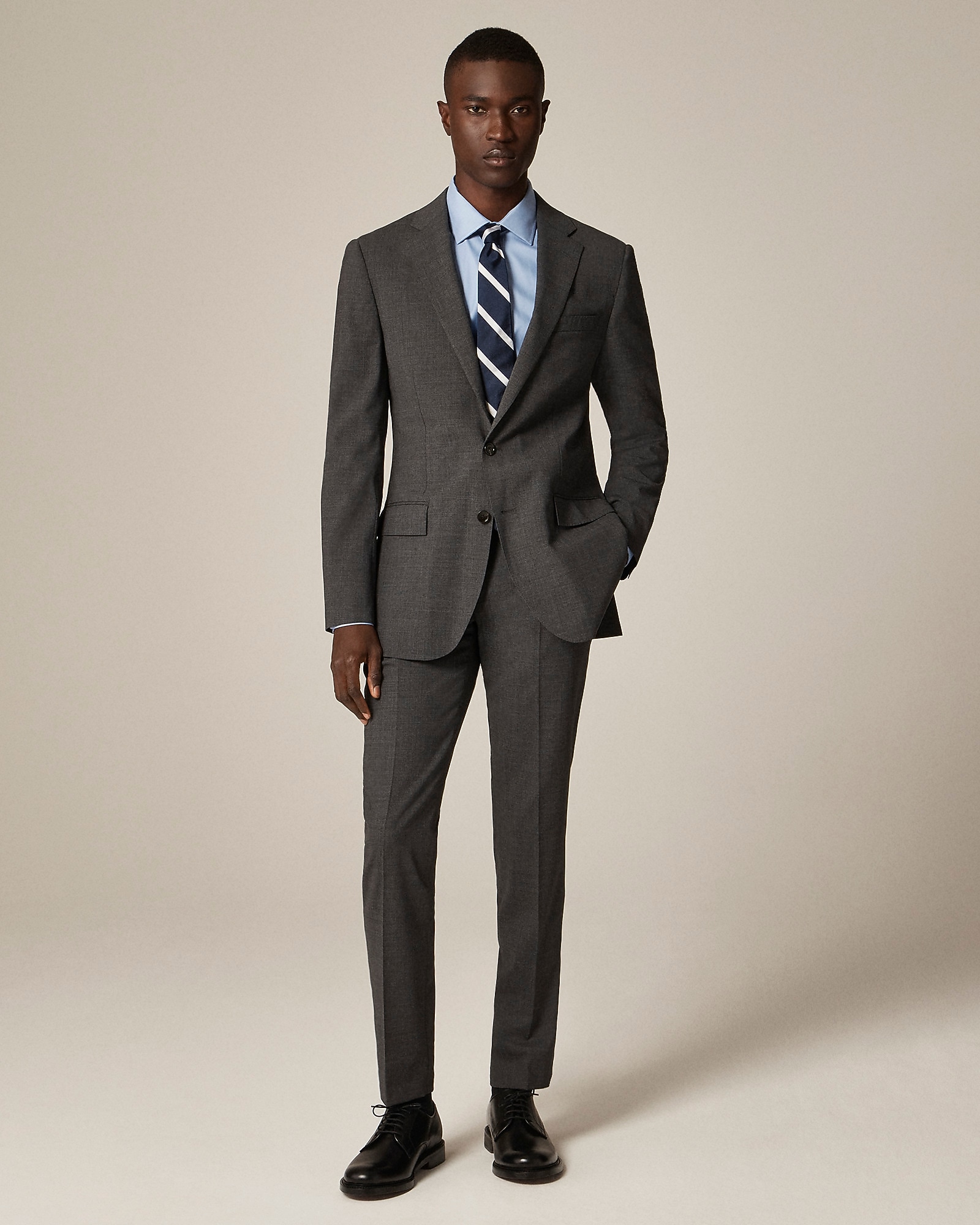
The J.Crew Extended Sizes email promises sizes 16 to 24 “fitted for you,” and the hero shot is almost always a model a few sizes below the top of that range, wearing a larger sample clipped at the back with the kind of bulldog clip every plus-size shopper learns to spot by twenty-five. That gap, between what J.Crew photographs and what J.Crew actually ships at the top of its extended range, is the whole story. The fabric is genuinely good. The fit engineering is where it falls apart, and it falls apart in a predictable, diagnosable way.
Below is a breakdown of three of the key Extended Sizes pieces, the blazer, the Cecile pant and the tipped trench, what works at a size 16 to 18 versus a 22 to 24, and the pattern-grading reason behind it. Prices were accurate at the time of writing.
The J.Crew plus extension: a marketing story
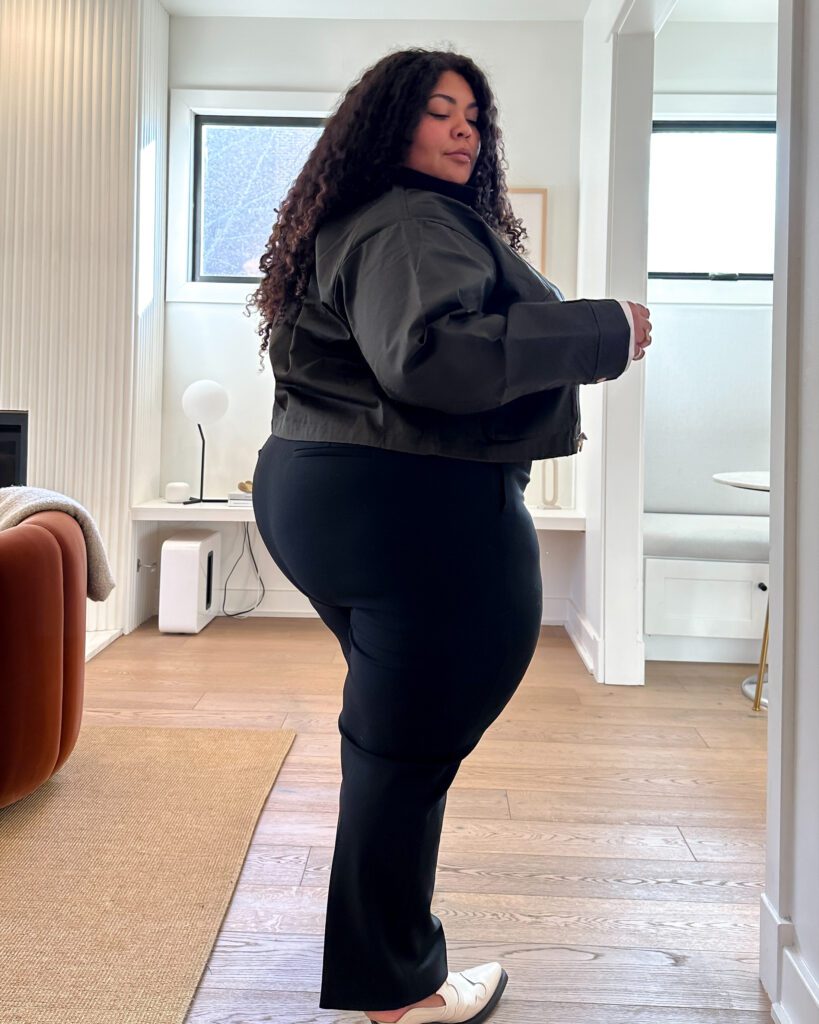
J.Crew relaunched Extended Sizes in October 2022 after years of pressure from plus-size shoppers and an embarrassing 2018 moment when the brand quietly killed its previous size-extension program. Libby Wadle was named CEO of J.Crew Group in 2020 after the company emerged from bankruptcy, and the 2022 relaunch was framed as a structural commitment: sizes 16 through 24 in apparel, denim through size 35, with the brand’s editorial photography updated to reflect the full range of customers it serves. The press cycle was favorable. The brand looked like it had learned.
Several years later, what the brand actually offers is a curated subset of the straight-size catalog, sized up, sometimes well and sometimes badly, and photographed primarily on size 12 to 14 models with the back of the garment clipped. The sister brand Madewell took the same route around the same window, extending denim and a handful of knits to a 24, then thinning the program out again. J.Crew kept its program alive but did not invest in the pattern infrastructure to make the larger sizes actually fit.
That is the thing to watch for as a shopper. A brand that takes extended sizing seriously fits its samples on a model at the top of the range, not the bottom. When the imagery leans on models at the smaller end of a size run, the fit at the far end of that run is usually the part nobody checked.
The “Cecile” pant: where the cut breaks at size 22
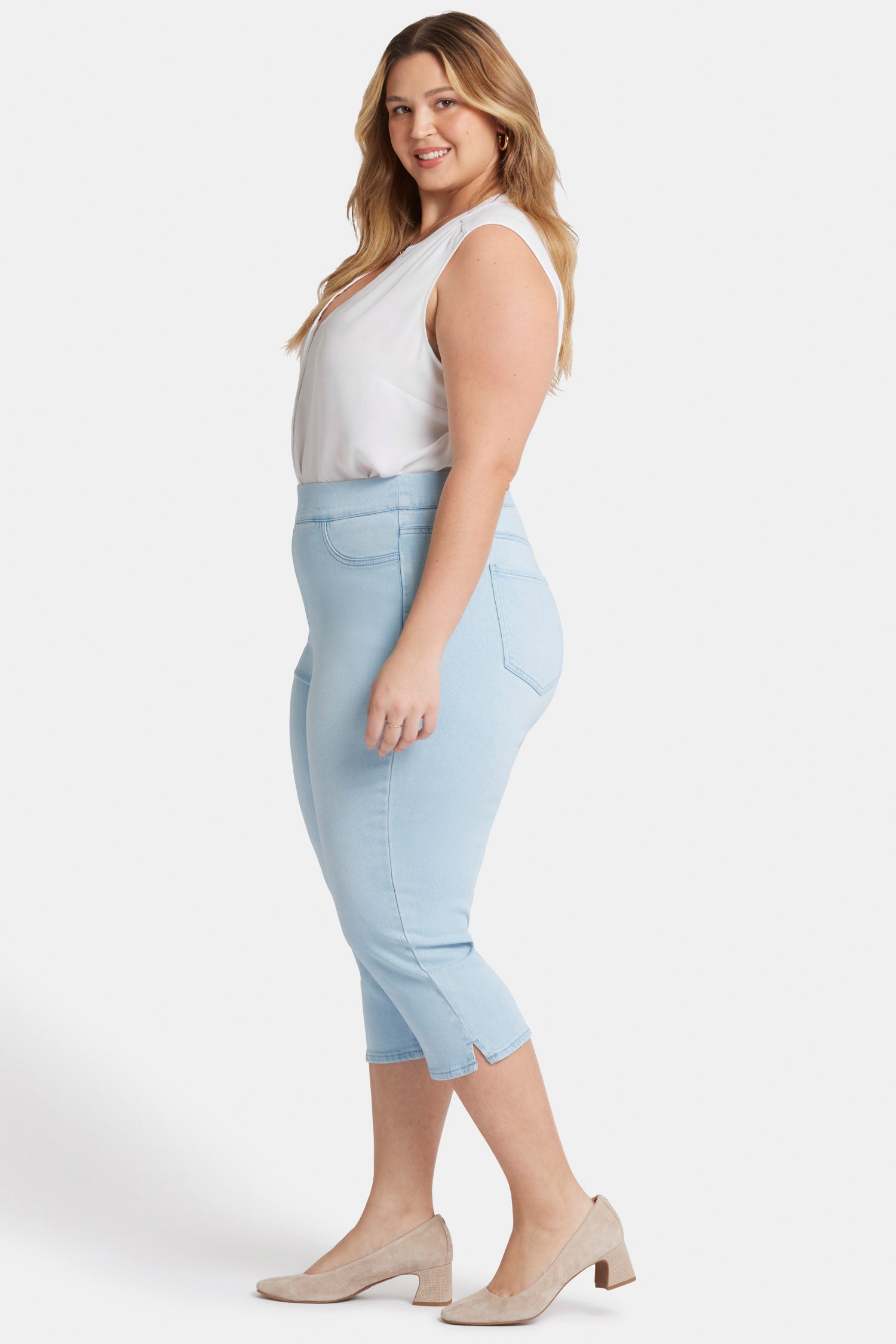
The J.Crew Cecile Slim Crop Pant Extended retails at around $128, available in sizes 16 through 24 in a stretch cotton sateen. The cut is a mid-rise, slim-through-the-thigh, ankle-grazing crop. On a size 22 body with a waist-to-hip differential of roughly 12 inches, the pant has three identifiable problems.
The front rise is too short and pulls across the lower abdomen. It sits about an inch and a half lower than the equivalent Universal Standard Seine, and that inch and a half is the difference between a flat front and a front pocket that gapes open every time you sit down. The brand’s straight-size Cecile uses the same rise specification, which is the giveaway: the rise was not re-engineered for the extended range, it was pushed up the size scale on the assumption the body would carry it the same way.
The thigh-to-knee taper is aggressive. The slim cut works on a straight-size frame because thigh circumference scales proportionally to the calf. On a size 22 body, where the thigh is often disproportionately larger than the calf, the pant pulls horizontally across the upper thigh and then hangs loose at the ankle. The result is a silhouette that does the opposite of slim. The slim crop is the silhouette that needs the most pattern work to translate to a true size 22, and across legacy straight-size brands it is usually the one that gets the least.
The waistband finishing is the third issue. The Cecile uses a curved waistband on the straight-size pattern that gets graded up without re-curving the arc for the extended range. On a size 22 that leaves the waistband sitting flat against the lower back and gapping open at center back by around three quarters of an inch. This is the same waistband gap problem Eloquii addressed years ago by re-engineering the curve for its plus range. The fix on the buyer’s end is a tailor, roughly $25 to $40 in most major cities, which adds 20 to 30 percent to the cost of the pant. Factor that in before you buy, or skip it.
Blazers and suiting: the one win and the one fail
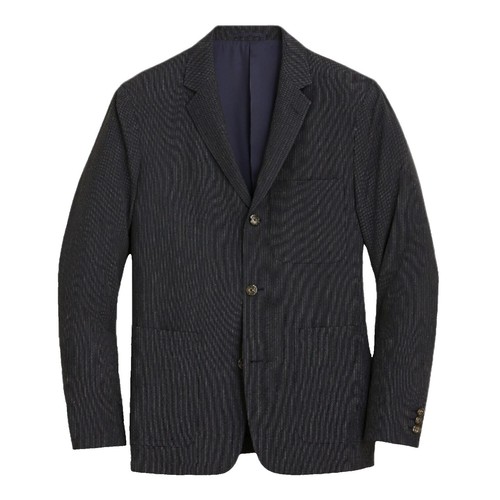
The J.Crew Italian Stretch-Wool Suiting Blazer (Plus) retails at around $268, in sizes 16 through 24, cut in a 96% wool, 4% elastane fabric milled in Biella, Italy. This is the piece in the lineup most worth owning, with one caveat. The wool is dense, the recovery is real, and the shoulder construction is structured rather than soft. The single-button closure does not pull at the bust the way the Cecile pulls at the rise. The sleeve length is correct without alteration. The hip vent does not split when you sit.
The caveat is the shoulder. At a size 22 the shoulder seam sits about half an inch outboard of the actual shoulder point, which gives the silhouette a slightly dropped, almost menswear look. That is fine if you want it and a problem if you wanted a structured fitted blazer. The straight-size version of this blazer hits exactly at the shoulder point, so the extended-size version was clearly graded up without re-anchoring the shoulder, and the wider chest measurement pushed the seam outboard. A tailor can re-set the shoulder for around $80, which puts the total near $348. For a true Italian-wool blazer in a size 22, that math still works.
The fail is the matching trouser, the Italian Stretch-Wool Suiting Pant (Plus) at around $198. Same fabric, same color match to the blazer, and the cut is a wide-leg crop that grades the hip-to-waist ratio the way the Cecile does, which is to say not well. At a size 22 the waistband gapes, the hip pulls, and the wool weight makes the gape visible rather than hiding it under drape. If you want the suit look, buy the blazer and pair it with a Universal Standard Seine ankle pant in black or a Madewell Perfect Wide-Leg in a coordinating color. The blazer is the win. The trouser is not.
The trench coat and outerwear story
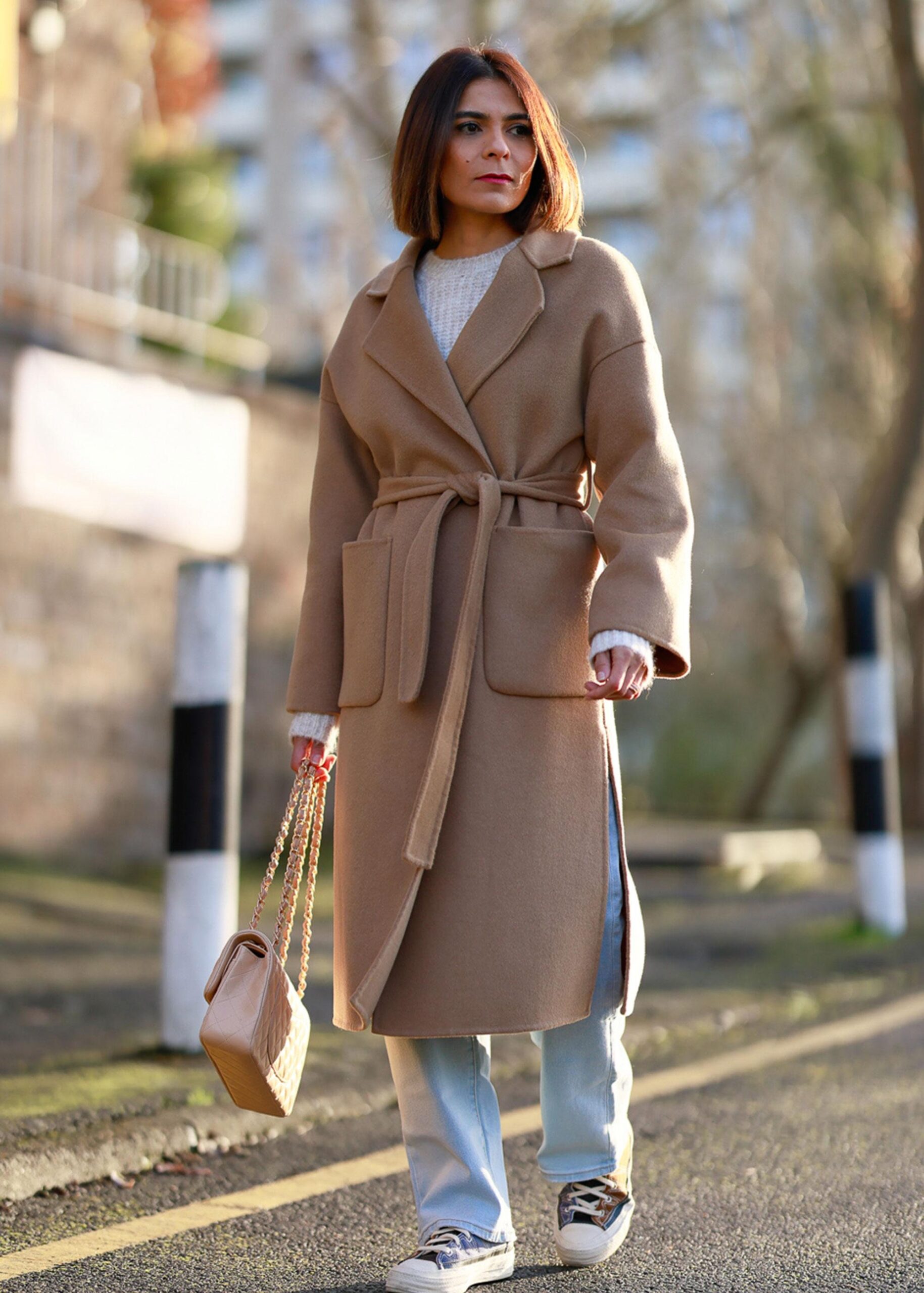
The J.Crew Tipped Trench in Italian Lana Coat retails at around $398, in sizes 16 through 24, cut in an Italian wool blend with a contrast grosgrain tip at the collar and cuffs. This is the piece that is easiest to love on paper. The fabric is heavyweight, the construction is solid, the contrast tip is a real design detail rather than a graphic-print pretender, and the silhouette in the catalog photography looks structured without being stiff.
The body of the coat fits at a size 22. The shoulder seam is correct, the sleeve length is correct, and the belt cinches at the natural waist without bunching. The failure point is the front closure. The wrap fastens at the chest with a double-breasted button placket, and at around a 48-inch chest the placket sits roughly an inch short of meeting flush. The buttons close, but the wrap shows visible strain across the bust.
The fix the brand suggests in the size guide is to “size up for a relaxed fit,” which is the universal retail euphemism for a chest that was not graded correctly. Sizing up to a 24 solves the chest and oversizes the shoulder, sleeve, and waist. That is the pattern-grading problem in a single garment. The trench was graded by adding equal increments to every measurement at every size step, which works for a size 6-to-10 jump and breaks at a 20-to-22 jump, because the body does not gain weight evenly across every measurement. The chest grows faster than the shoulder. The hip grows faster than the waist. A trench coat at size 22 needs to be cut differently from a trench coat at size 10, not just scaled.
If the chest is where you carry width, look elsewhere for outerwear at this price. The Eileen Fisher Boiled Wool Coat in sizes 1X through 3X, around $498, cuts the chest with the curve the J.Crew piece does not. For less money, the Universal Standard Sloane Topcoat at around $258 in sizes 00 through 40 does the same. The J.Crew trench is the piece that looks best in the catalog and disappoints fastest in person.
Fabric reality at the J.Crew price point
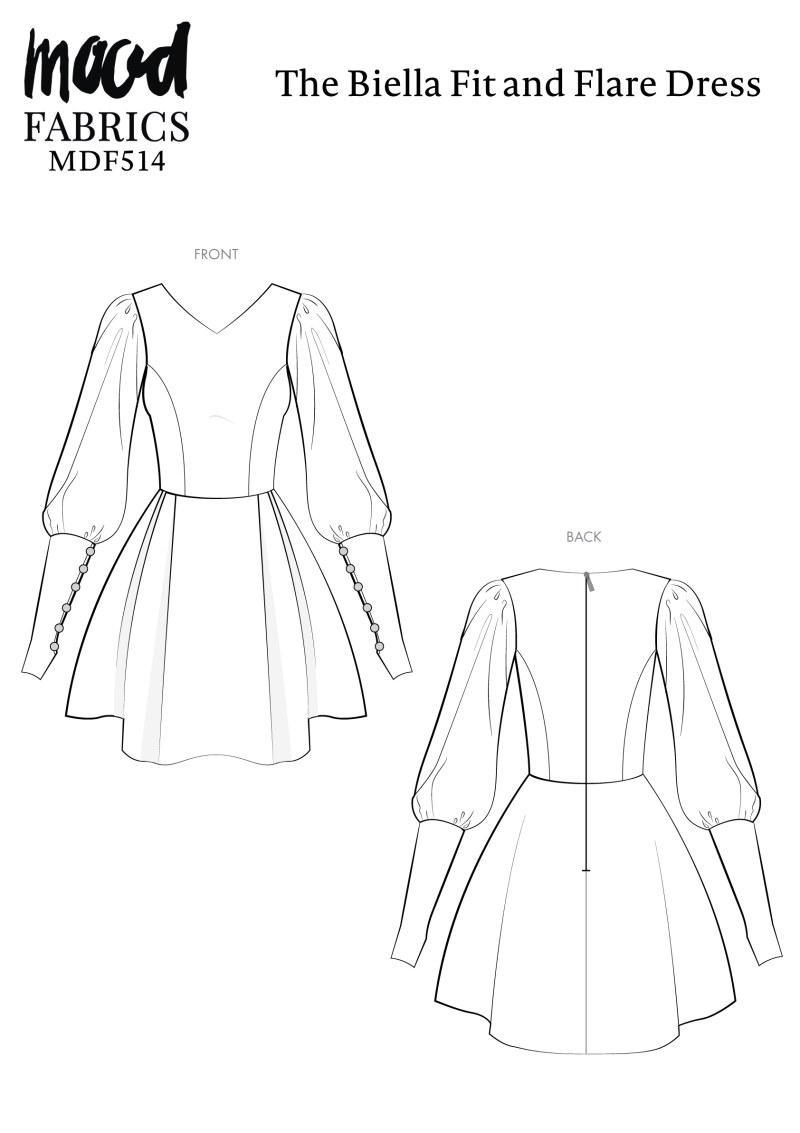
The fabric quality across the Extended Sizes catalog is genuinely good, and that deserves saying plainly. The Italian stretch wool in the suiting blazer is a real Biella mill weight, not the bonded polyester that masquerades as wool at most mass-market price points. The Italian Lana in the trench is a real wool blend with a proper hand-feel. The Cecile’s cotton sateen, despite the cut problems, is a substantial cloth with proper recovery. The Stephanie poplin shirts in the extended range are 100% cotton, not the poly-cotton thinness that costs cheaper shirting its longevity.
On price, J.Crew sits between the mass-market plus-size brands (Lane Bryant, Old Navy, Torrid) and the premium plus-size specialists (Universal Standard, Eileen Fisher, 11 Honore). Around $128 for the Cecile is more than Lane Bryant’s equivalent near $69 and less than the Universal Standard Seine near $118. Around $268 for the wool blazer is less than Eileen Fisher’s boiled-wool jacket near $478 and more than the Eloquii 9-to-5 Stretch blazer near $179. The fabric quality matches the price point. The fit quality does not.
That is the cleanest way to frame the brand: premium fabric at premium prices with mid-market fit engineering, which is not the same thing as a premium plus-size brand. If you are paying around $268 for a wool blazer and it needs $80 of tailoring to fit correctly, you are effectively paying $348, which is Eileen Fisher territory. At that price, compare it to the Eileen Fisher equivalent rather than to the cheaper straight-size J.Crew version.
The pattern-grading problem (why a size 6 sketch becomes a bad size 24)
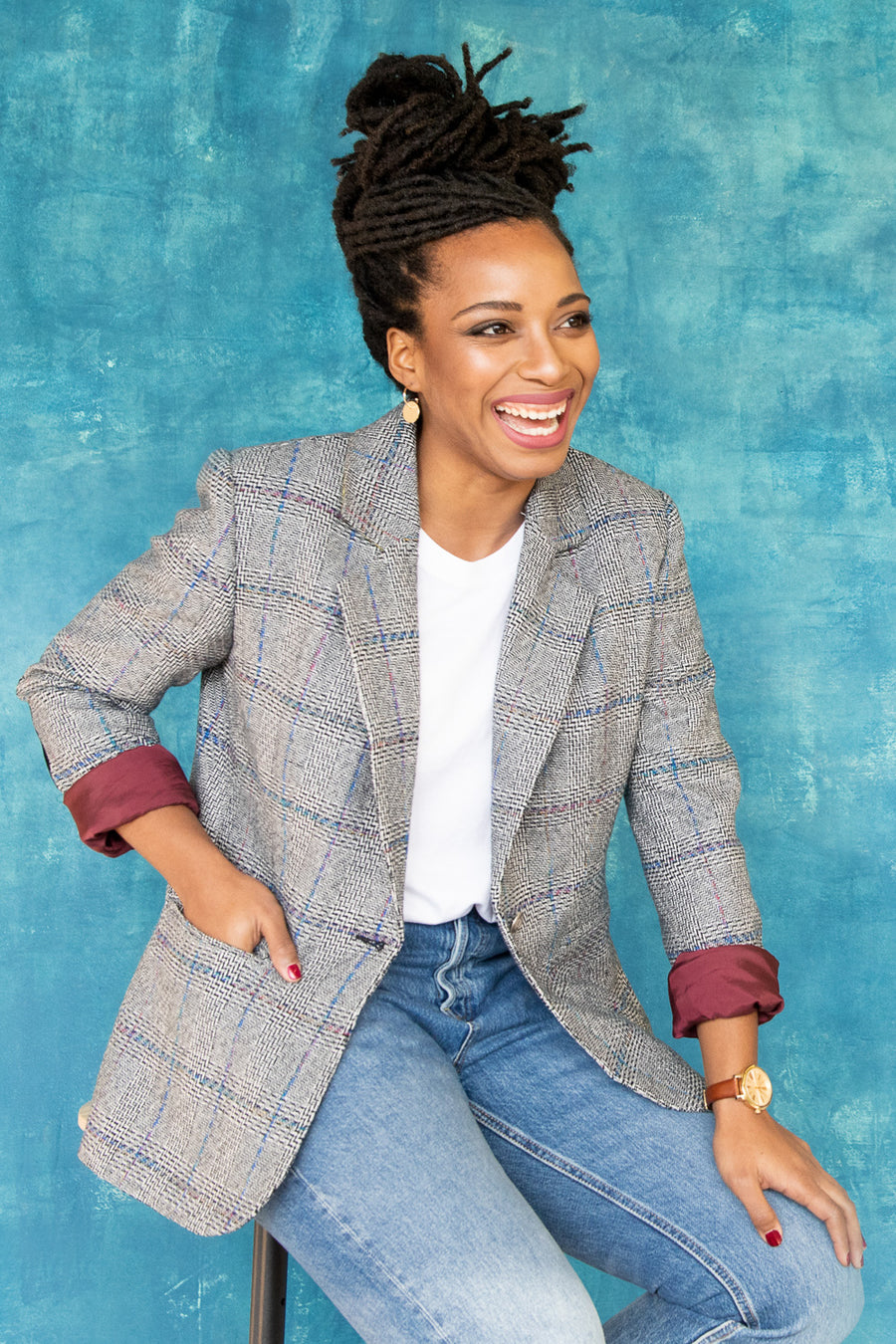
Here is the part that matters more than any individual piece. The reason J.Crew’s Extended Sizes fit the way they do is not laziness or bad faith. It is the way the brand grades patterns, and it is a structural choice that has not been undone since the 2022 relaunch.
Pattern grading is the technical process of scaling a sample-size garment pattern to other sizes. The industry standard for straight-size apparel is to grade in even increments, usually one inch at the bust, half an inch at the waist, one inch at the hip, per size step. That works reasonably well across the size 0-to-12 range because body proportions at those sizes tend to scale together. Once you move past size 14, the math breaks. The bust grows faster than the shoulder. The hip grows faster than the thigh. The waist-to-hip ratio shifts. A garment graded with even increments from a size 6 sample will fit a size 14 acceptably and a size 24 badly, because a size 24 body is shaped differently from a size 6 body scaled up four times.
The fix is to grade from a plus-size sample, usually a size 18 or 20, with a separate measurement chart that accounts for the proportional shifts at the top of the range. That is the approach the plus-first brands take, and it is why their upper sizes fit. It costs more in pattern-team labor and slows down the design-to-shelf cycle, which is why legacy brands grading up from straight-size samples tend not to switch. J.Crew is one of the legacy brands that has not switched.
That single fact explains the whole lineup. The same trench coat fits at a 6 and pulls at a 24 because nobody re-cut the pattern for the 24, they scaled the 6. The Italian wool blazer survives at size 22 because the silhouette is forgiving enough to absorb the grading mismatch. The Cecile pant breaks at size 22 because a slim crop is not forgiving at all. When you shop a legacy brand’s extended range, the forgiving silhouettes are the safe buys and the slim, fitted and front-closing pieces are the ones to try on first.
The verdict and the alternative
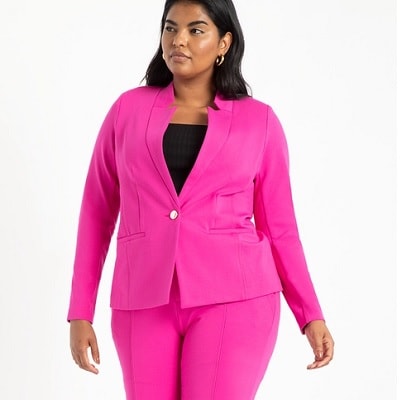
Of the three pieces covered here, one is worth keeping at the top of the size range: the Italian Stretch-Wool Suiting Blazer, with a shoulder alteration around $80, for about $348 all in. The Cecile Slim Crop Pant and the Tipped Trench in Italian Lana are both returns at a size 22. One out of three is a poor hit rate for a catalog that markets itself as fitted for you.
The comparison frame matters. The plus-first brands at a similar overall price tier hit far more often, because they cut from a plus-size sample rather than scaling a straight-size one, and that is the single variable that predicts whether a piece will fit at the top of a size run. Madewell’s extended sizes, the sister brand to J.Crew, have been thinned out and fit the same way the J.Crew pieces do. “Extended” is the honest word for the program, because that is what it is: a straight-size catalog extended outward, not a plus-size catalog engineered from the start.
Who should buy J.Crew Extended Sizes anyway: a shopper in the 16 to 18 range with a body shape close to the straight-size fit model, looking for premium fabric at mid-premium prices, willing to do the in-store-or-mail-in dance until the right pieces stick. The Italian wool blazer is genuinely worth owning at size 16 or 18 with minimal alteration. The Cecile pant works better on hourglass figures than on apple or pear figures. The trench is for size 16, not size 22.
Who should skip: a shopper at size 22 through 24 who has been burned by scale-up-from-a-straight-size grading at department-store brands. You will be burned again here. Spend the same money with Universal Standard, Eileen Fisher, or the smaller plus-size specialists who built their pattern infrastructure for your body. The fabric is comparable. The fit will be better. The cost-per-wear math actually closes.
The observation that closes this review is the one worth carrying into any legacy brand’s plus section. J.Crew’s plus extension is a marketing exercise more than a fit-engineering exercise. The brand updated its imagery, ran a press cycle, hired a CEO who said the right things, and shipped a catalog that looks correct in a flat-lay photograph. What it did not do is the unglamorous, expensive, slow work of re-grading patterns from a plus-size sample. Until that happens, the garments at the top of the Extended Sizes range are sketches that started at a size 6 and got pushed up the scale. That is the gap, and the bulldog clips on the back of the editorial blazer are the tell.
A note on money information. This article is general information and not financial advice. It is not written by a licensed adviser and it cannot account for your own circumstances. Consider speaking to a qualified financial professional before making decisions about debt, credit, investing or retirement.