


Why Daily Habits Matter More Than Grand Gestures
We live in a culture that romanticizes the grand gesture. The surprise proposal on a mountaintop. The dozen roses delivered to your office. The elaborate anniversary trip. And while those moments are beautiful, they are not what hold a relationship together. What holds a relationship together are the tiny, consistent, often unglamorous things you do for each other every single day. The healthy relationship habits you practice when no one is watching and no one is keeping score.
Research from the Gottman Institute - one of the most respected relationship research organizations in the world - has consistently shown that the difference between couples who stay together and couples who fall apart comes down to daily interactions. Couples who thrive do not necessarily argue less or have fewer challenges. They simply have more positive interactions than negative ones in their day-to-day lives. The magic ratio, according to decades of research, is five positive interactions for every negative one.
That means the health of your relationship is not determined by how you handle your anniversary. It is determined by how you handle a Tuesday morning when you are both running late, the coffee maker is broken, and neither of you slept well. It is determined by the text you send in the middle of a busy workday just to say “thinking of you.” It is determined by the way you greet each other when you walk through the door at the end of a long day.
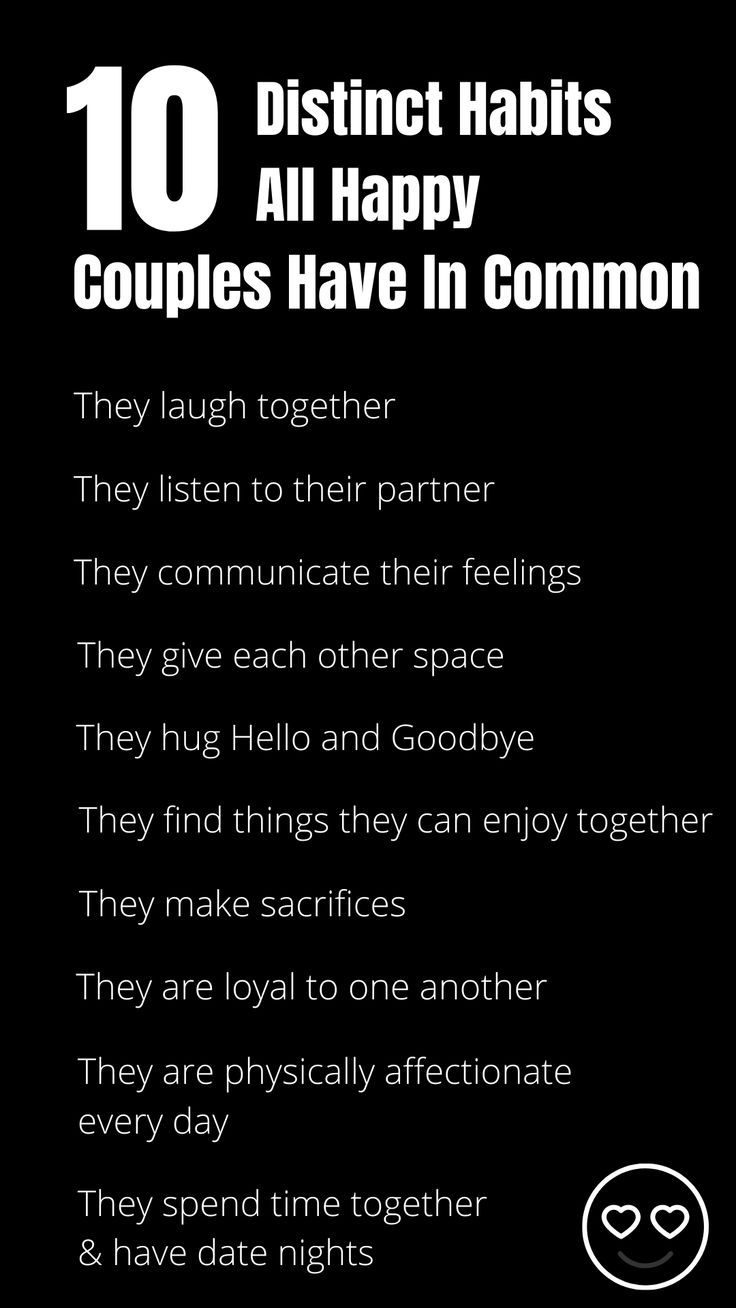
These 10 healthy relationship habits are not complicated. They do not require a lot of time, money, or effort. But they do require intention, consistency, and the willingness to show up for your partner and your relationship even when it does not feel exciting or convenient. Because love is not just a feeling - it is a practice. And like any practice, it gets stronger the more consistently you do it.

Habit 1 - Check In With Each Other Every Single Day

Life gets busy. Between work, responsibilities, social obligations, and the general chaos of being a functioning adult, it is surprisingly easy to go entire days without having a meaningful conversation with the person you share your life with. You might exchange logistical information - who is picking up groceries, when the bills are due, what time the appointment is - but logistics are not connection.
A daily check-in is a deliberate moment where you pause and actually ask your partner how they are doing - not in the “fine, how are you” automatic way, but with genuine curiosity. “How was your day, really?” “What is on your mind tonight?” “Is there anything you need from me right now?” These questions tell your partner that you see them as more than a roommate or co-manager of your household. You see them as a person whose inner world matters to you.
The check-in does not need to be long. Five or ten minutes of genuine, focused conversation can be enough. The key is consistency - making it a non-negotiable part of your daily routine, like brushing your teeth or eating dinner. Some couples do it over morning coffee. Others do it during an evening walk. Others do it in bed before falling asleep. Find the time that works for you and protect it fiercely.
To make these conversations even more meaningful, try a couples conversation card game that provides thoughtful prompts beyond the usual “how was your day.” These cards can spark discussions you might never have had on your own and help you learn new things about each other, even after years together.
Habit 2 - Express Gratitude Out Loud

It is one thing to feel grateful for your partner. It is another thing entirely to say it out loud. Most of us assume our partner knows we appreciate them, but assumption is the enemy of connection. People need to hear that they are valued. They need to hear that the things they do - even the small, mundane things - are noticed and appreciated.
Expressing gratitude does not mean delivering a heartfelt speech every night. It can be as simple as “thank you for making coffee this morning,” “I really appreciate how hard you work,” “I noticed you cleaned the kitchen and I just want you to know I do not take that for granted,” or “I am grateful that you are my person.” These small acknowledgments accumulate over time, creating a reservoir of goodwill that helps sustain you through the inevitable rough patches.
Research shows that couples who regularly express gratitude to each other report higher relationship satisfaction, better communication, and stronger feelings of connection. It creates a positive feedback loop - when your partner feels appreciated, they are more likely to do things that inspire appreciation, which leads to more gratitude, and so on. It is one of the simplest and most powerful healthy relationship habits you can adopt.
Challenge yourself to express one specific thing you are grateful for about your partner every single day. Not generic compliments, but specific observations. “I love how patient you were with your mom on the phone today” hits differently than “you are great.” Specificity tells your partner that you are paying attention - and attention is one of the most valuable gifts you can give someone.
Habit 3 - Practice Active Listening Without Fixing

One of the most common communication breakdowns in relationships happens when one partner shares a problem and the other immediately jumps into problem-solving mode. While the intention is good, the impact is often the opposite of what was intended. When your partner tells you about a frustrating day at work, they usually do not want a list of solutions. They want to feel heard, validated, and understood.
Active listening means giving your full attention - putting down the phone, making eye contact, and being genuinely present. It means reflecting back what you heard to make sure you understood correctly. It means asking follow-up questions that show you are engaged. And most importantly, it means resisting the urge to fix, advise, or minimize unless your partner specifically asks for your input.
A simple phrase that can transform your communication is: “Do you want me to listen or do you want help solving this?” This one question gives your partner the agency to tell you what they actually need, and it saves you from offering unwanted advice. It takes practice, especially if you are a natural problem-solver, but learning to sit with your partner in their discomfort without trying to make it go away is one of the deepest forms of love there is.
Habit 4 - Maintain Physical Affection Beyond the Bedroom

Physical touch is a fundamental human need, and in romantic relationships, non-sexual physical affection is just as important as sexual intimacy - sometimes more so. Holding hands, hugging, kissing hello and goodbye, sitting close together on the couch, rubbing your partner’s shoulders, playing with their hair - these seemingly small gestures maintain a physical connection that strengthens your emotional bond.
As relationships mature, physical affection often decreases. You stop greeting each other with a kiss. You sit on opposite ends of the couch. You go days without any physical contact that is not functional. This gradual distancing can make both partners feel disconnected, unloved, or taken for granted - even when neither person consciously decided to stop being affectionate.
Make physical affection intentional. Hug your partner for at least six seconds when you greet each other - research suggests that a six-second hug triggers the release of oxytocin, the bonding hormone. Kiss goodbye in the morning. Hold hands when you walk together. Reach over and touch their arm when you are sitting next to each other. These tiny moments of physical connection add up to a relationship that feels warm, secure, and intimate.

Habit 5 - Fight Fair and Repair Quickly
Conflict is inevitable in any relationship. Two separate human beings with different backgrounds, perspectives, and needs are going to disagree sometimes. The goal is not to eliminate conflict - it is to fight fair when it happens and repair the connection quickly afterward.
Fighting fair means no name-calling, no bringing up old grievances, no stonewalling, no contempt, and no going for the jugular. It means using “I feel” statements instead of “you always” accusations. It means staying on the topic at hand rather than turning every disagreement into a comprehensive audit of everything your partner has ever done wrong. It means remembering that you are on the same team, even when you disagree.
Equally important is the repair attempt - the gesture, word, or action that signals you want to reconnect after a disagreement. This might be a sincere apology, a touch on the arm, a moment of humor, or simply saying “I do not want to fight with you. Can we start over?” The Gottman Institute found that the success of repair attempts is one of the strongest predictors of relationship longevity. Happy couples are not couples who never fight - they are couples who know how to come back together after they do.
One rule that many healthy couples swear by: never go to bed angry. This does not mean you have to resolve every argument before midnight. Sometimes you need space and sleep before you can discuss something calmly. But before you fall asleep, at least say “I love you and we will figure this out.” That simple sentence tells your partner that the disagreement has not changed your commitment to them.
Habit 6 - Protect Your Friendship

The strongest romantic relationships are built on a foundation of genuine friendship. Your partner should be someone you actually like spending time with - someone you would choose as a friend even if the romantic element did not exist. Protecting that friendship means laughing together, having fun together, sharing inside jokes, and maintaining the playful energy that first drew you to each other.
As relationships deepen and life gets more serious - with careers, finances, possibly children, and all the responsibilities that come with building a life together - it is easy to lose the friendship underneath all the adulting. You become business partners managing a household rather than two people who genuinely enjoy each other’s company. When that happens, the relationship starts to feel more like an obligation than a choice.
Protect your friendship by doing things together that have nothing to do with responsibilities. Watch a silly show together. Play a board game. Cook a ridiculous recipe. Go on a random adventure. Be goofy with each other. Tease each other affectionately. Remember why you fell in love with this person in the first place, and make space for that person to show up regularly.
Habit 7 - Support Each Other’s Individual Growth

Healthy love does not require you to become a single unit that does everything together. It requires two whole people who choose to walk alongside each other while continuing to grow as individuals. Supporting your partner’s individual growth means encouraging their goals, respecting their need for alone time, celebrating their achievements even when they have nothing to do with you, and giving them the space to evolve.
This can feel threatening if you are insecure in the relationship. Your partner wanting to take a class, start a hobby, spend time with friends, or pursue a career opportunity that does not involve you is not a sign that they are pulling away. It is a sign that they are a healthy, dynamic person with a rich inner life - and that is exactly the kind of person you want to be in a relationship with.
At the same time, do not forget your own individual growth. It is tempting to pour all of your energy into the relationship and let your own interests, friendships, and goals fall by the wayside. But a relationship where one person has lost themselves is not healthy - it is codependent. Keep nurturing the things that make you, you. Your partner fell in love with a complete person. Stay one.
A great way to support mutual growth is reading together. Pick up a relationship growth book like “The Seven Principles for Making Marriage Work” and discuss one chapter a week. It gives you a shared language for talking about your relationship and concrete tools for strengthening it.
Habit 8 - Keep Dating Each Other

When you first started dating your partner, you put effort into every interaction. You dressed up. You planned activities. You gave each other your full attention. You were on your best behavior because you wanted to impress each other. Somewhere along the way - maybe after moving in together, maybe after getting comfortable - that effort started to fade. And with it, some of the spark faded too.
Keeping the spark alive does not require recreating the intensity of early dating. It just requires maintaining some of the intentionality. Have a regular date night - weekly if possible, at least twice a month at minimum. And “date night” does not have to mean an expensive dinner out. It can be cooking together, having a movie night on the couch with phones put away, exploring a new neighborhood, taking a class together, or anything that feels special and set apart from the ordinary routine.
The important thing is that date night is protected time - not the time to discuss bills, argue about chores, or troubleshoot parenting challenges. This is time dedicated purely to enjoying each other’s company and remembering that you are not just partners, parents, or roommates. You are two people who chose each other, and that choice deserves regular celebration.
Make date night even more special with a date night idea jar filled with creative activities. Taking turns picking a date idea adds an element of surprise and ensures you are both stepping outside your comfort zone together.

Habit 9 - Share Responsibilities Without Keeping Score
Few things breed resentment faster than an unequal division of labor - and few things are harder to navigate without falling into the trap of keeping score. In a healthy relationship, both partners contribute to the shared workload of running a life together. This includes household chores, financial responsibilities, emotional labor, social planning, and whatever else your particular life requires.
The key phrase here is “without keeping score.” The moment you start tallying who did the dishes more this week or who last took the car for an oil change, you have turned your partnership into a competition. And in a competition, someone always feels like they are losing. Instead, aim for a general sense of fairness and balance, and communicate openly when things feel off.
Have an honest conversation about how responsibilities are divided in your household. Be specific. Who cooks? Who cleans? Who manages the finances? Who handles the mental load of remembering appointments, birthdays, and grocery lists? Often, the division of labor is more unequal than either partner realizes, and simply making the invisible labor visible can be the first step toward a more equitable arrangement.
Habit 10 - Choose Each Other Every Day
This might be the most important habit on this list, and it is also the most abstract. Choosing each other every day means waking up and actively deciding that this person, this relationship, is where you want to be. Not because you have to. Not because you are afraid of being alone. Not because it would be too complicated to leave. But because you genuinely want to be here, with this person, building this life.
Long-term love is not sustained by the feelings you had when you first fell in love. Those feelings - the butterflies, the obsessive thinking, the giddy excitement - are driven by neurochemistry that naturally fades over time. What replaces it can be even more beautiful, but only if you let it: deep trust, profound comfort, unshakeable security, and the quiet confidence that comes from knowing someone has seen every part of you and chosen to stay.
But that deeper love does not happen by accident. It happens by choice - repeated, daily, intentional choice. It happens when you choose to be kind instead of petty. Patient instead of irritable. Generous instead of stingy with your time and attention. Forgiving instead of grudge-holding. Present instead of distracted. Every time you make one of these small choices, you are choosing your partner. You are choosing your relationship. You are choosing love.
And that, more than any grand gesture, is what happily ever after actually looks like.

How to Start Building These Habits Together

If you are reading this list and feeling overwhelmed, take a deep breath. You do not need to implement all 10 healthy relationship habits at once. Pick one or two that resonate most with where your relationship is right now, and start there. Talk to your partner about what you have read and ask them which habits they would like to focus on. Making this a collaborative effort rather than a one-sided project is important - you are building these habits together, not assigning them.
Be patient with yourselves and each other. New habits take time to stick, and there will be days when you forget or fall back into old patterns. That is normal. What matters is that you keep showing up, keep trying, and keep choosing to invest in your relationship even when it would be easier to coast. Because the couples who last are not the ones who have it easy. They are the ones who do the work.
A couples gratitude journal can be a wonderful tool for building several of these habits simultaneously. Writing down what you appreciate about each other each day takes just a few minutes but reinforces gratitude, communication, and intentional connection all at once.
Key Takeaways
- Healthy relationships are built on daily habits, not grand gestures - the small, consistent things you do for each other every day matter most.
- Daily check-ins, expressed gratitude, and active listening are the foundation of strong communication in a relationship.
- Physical affection beyond the bedroom, fair fighting, and quick repair after arguments keep your emotional and physical connection strong.
- Protecting your friendship, supporting individual growth, and continuing to date each other prevent the relationship from becoming stale or transactional.
- Sharing responsibilities without keeping score and choosing each other every day transform a good relationship into a great one.
- Start with one or two habits and build from there - consistency matters more than perfection.
Frequently Asked Questions
What if my partner is not interested in working on our relationship habits?
Start by modeling the behavior yourself. Often, when one partner begins showing up differently - expressing more gratitude, listening more actively, being more affectionate - the other partner naturally starts reciprocating. If they remain resistant after seeing the positive impact of your efforts, have an honest conversation about why these habits matter to you and what you need from the relationship. If they are still unwilling to invest any effort, that itself is important information about the future of the relationship.
How do we maintain these habits when we are both incredibly busy?
The beauty of these healthy relationship habits is that most of them take very little time. A daily check-in takes five minutes. Expressing gratitude takes thirty seconds. A six-second hug takes - well, six seconds. The issue is usually not time but intentionality. Schedule these moments the way you would schedule anything else that is important. Set a reminder on your phone for a daily check-in text. Put date night on the calendar in ink. Protect these moments the way you protect work meetings and doctor’s appointments.
Can these habits save a relationship that is already struggling?

These habits can significantly improve a relationship that has drifted but is still fundamentally healthy. If the core ingredients are there - mutual respect, shared values, genuine care for each other - then building healthier daily habits can reignite the connection and strengthen the foundation. However, if the relationship involves abuse, chronic dishonesty, active addiction, or a fundamental mismatch in values, daily habits alone will not be enough. In those cases, professional counseling or a serious evaluation of the relationship’s viability is needed.
Is it too late to start building healthy habits in a long-term relationship?
It is never too late. Some couples who have been together for decades discover these habits and experience a renaissance in their relationship. The willingness to grow and change together is one of the most beautiful things about long-term love. Your relationship does not have an expiration date on improvement. As long as both partners are willing to show up and try, there is room for growth, deeper connection, and renewed joy at any stage.