Picture a stage in Los Angeles washed in violet light, six women stepping into formation, and a crowd that has flown in from Manila, Mumbai, Lagos, London, and Seoul, all singing the same hook back word for word. No single accent leads the chant. No single face gets to be the “standard” one. That scene, repeated in arena after arena through 2025, is the clearest way to understand a group that has become one of the most talked-about acts in pop. Six voices, six passports, one sound - and a room full of people who finally see some version of themselves at the center of the frame.
The group is Katseye, and the reason they keep coming up in conversations about representation is not marketing spin. It is baked into how they were built, who got picked, and what the members have chosen to say out loud once the spotlight found them. For a magazine like this one, which cares less about whether a woman fits the mold and more about whether the mold ever deserved that much power, Katseye is a story worth slowing down for.
From a Global Casting Experiment to a Real Group
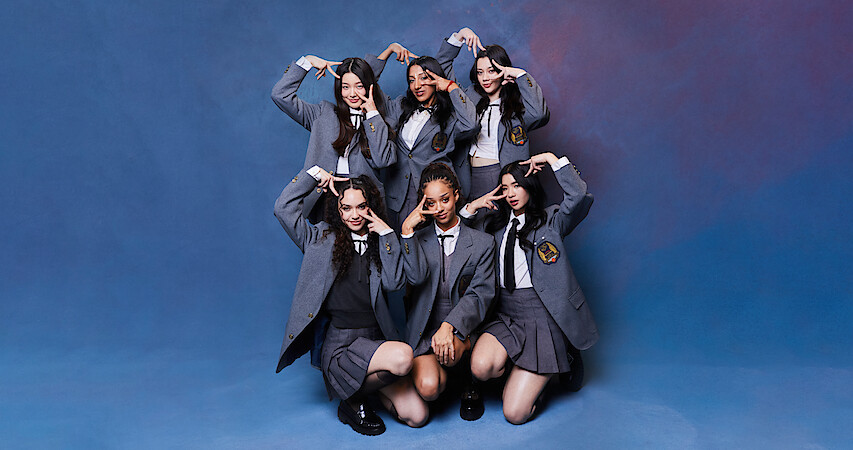
Katseye did not form the way most Western pop groups do. They were assembled through a large-scale audition project called The Debut: Dream Academy, a collaboration between the South Korean company HYBE (the label home of BTS) and Geffen Records in the United States. The idea was ambitious on paper and risky in practice: run a worldwide search, bring in trainees from different countries, put them through the intense, months-long development process associated with K-pop, and let a global group emerge from the other side.
Thousands auditioned. A pool of trainees was narrowed down through rounds of evaluation, performance missions, and eliminations, and the final lineup was revealed at the end of the competition. The whole arc was later documented in the Netflix docuseries Pop Star Academy: Katseye, which pulled back the curtain on the sweat, the self-doubt, and the goodbyes that came with the process. It is not always a comfortable watch. The series shows young women being ranked, cut, and rebuilt, which is exactly why the group’s eventual message about self-worth lands with more weight. They came out of a system that measures people constantly and still arrived at something that reads as genuinely celebratory.
Based in Los Angeles, Katseye debuted in June 2024 with a single fittingly titled “Debut,” followed by the song that first made a lot of people stop scrolling: “Touch.” Their first EP, SIS (Soft Is Strong), arrived later that year, and the title alone signals the tone the group wanted to set. Softness, warmth, and vulnerability treated not as weaknesses to hide but as a form of strength worth naming.
Six Members, Six Backgrounds, One Lineup
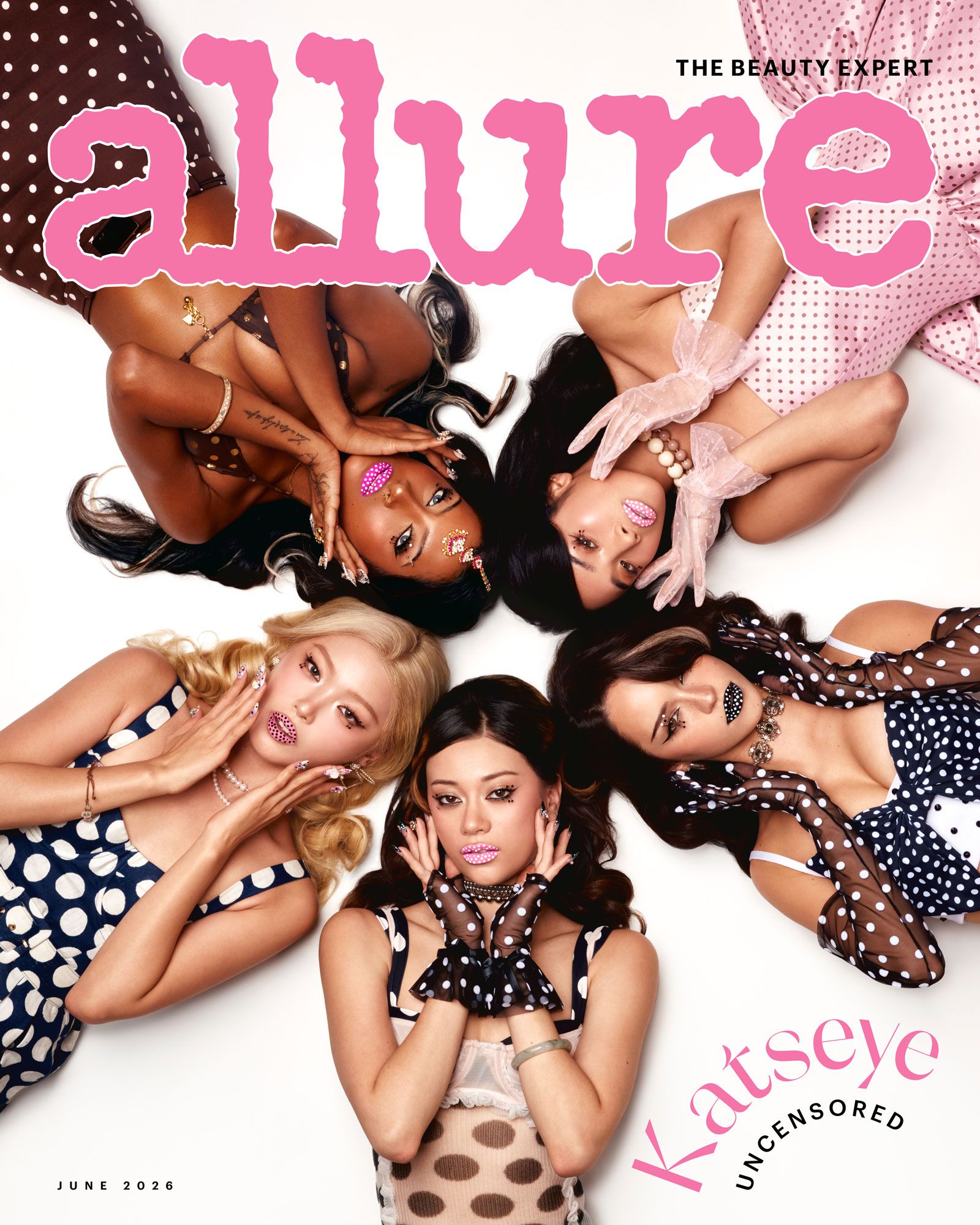
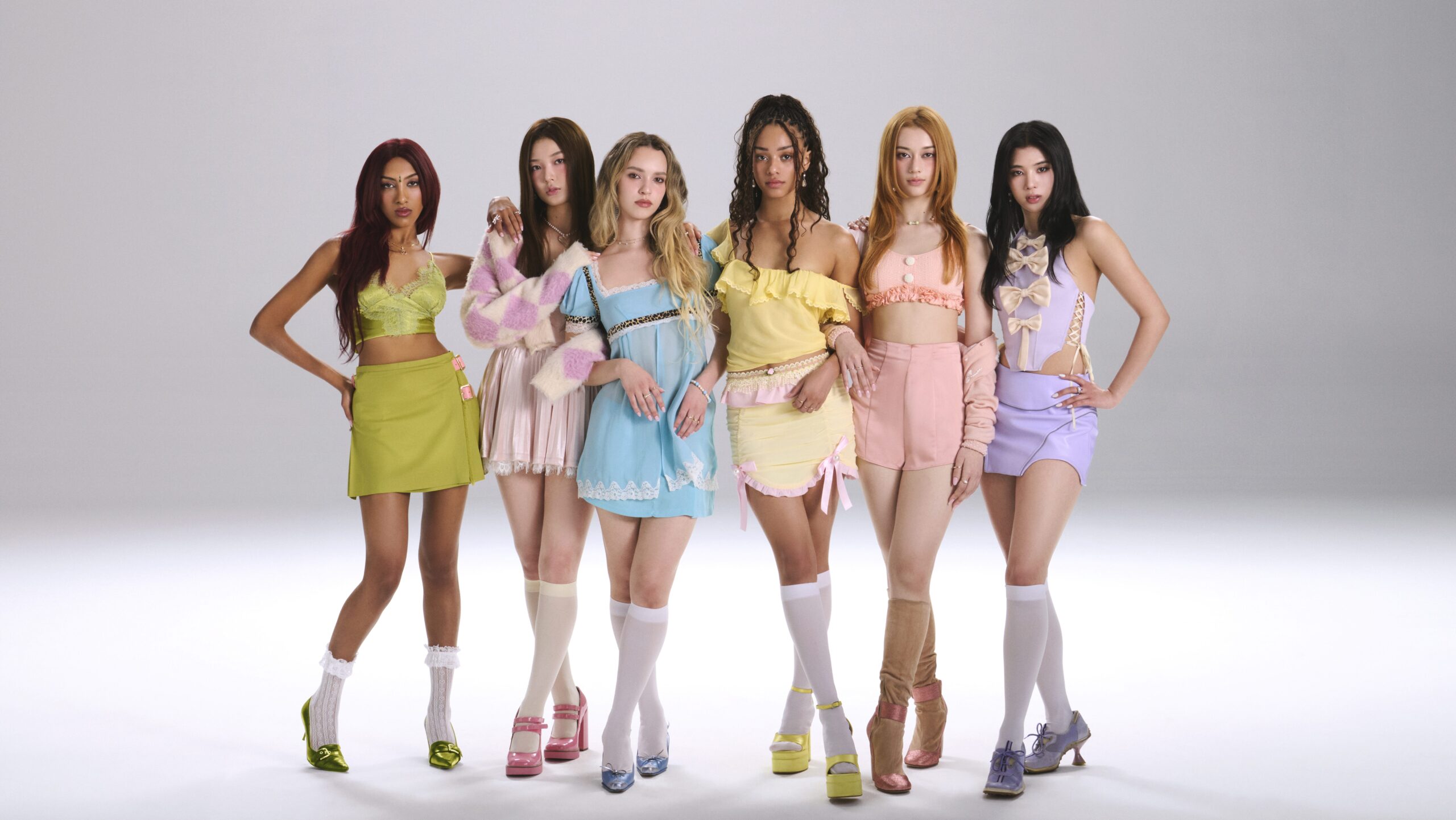
What makes Katseye feel different the moment you look at them is the lineup itself. The six members come from a genuinely wide spread of heritages and hometowns, and the group is regularly described as a global girl group for good reason.
The members are Sophia Laforteza, Daniela Avanzini, Lara Raj, Manon Bannerman, Megan Skiendiel, and Yoonchae Jeung. Sophia Laforteza is Filipino-American, born in New York and raised in Manila, and she has often carried the emotional weight of representing Filipino fans who rarely see themselves at this level of global pop. Daniela Avanzini brings Cuban and Venezuelan roots and grew up steeped in Latin music and dance. Lara Raj is Indian-American, and her presence has meant a great deal to South Asian listeners who almost never get a mainstream pop idol to point to. Manon Bannerman is of Swiss and Ghanaian heritage, folding both European and West African identity into the group. Megan Skiendiel has Chinese-Singaporean background, and Yoonchae Jeung is South Korean, the member who most directly links the group back to the K-pop training tradition it grew out of.
That is not a token spread designed for a photo. It shows up in the way they perform, the languages that surface in interviews, and the range of fans who show up to shows. When a group’s own members trace back to the Philippines, Cuba, Venezuela, India, Ghana, Switzerland, Singapore, China, South Korea, and the United States, “diversity” stops being a press-release word and starts being the actual shape of the thing.
It is worth noting that the lineup has not always been at full strength in the way a fixed roster implies. Members have taken time to prioritize health and wellbeing, and reporting through 2025 and into 2026 indicated at least one temporary hiatus within the group. Rather than pretending the pressure of this level of fame is nothing, the group and its team have at times chosen rest, which is its own quiet statement in an industry that historically pushed young performers past their limits.
The Sound That Broke Through
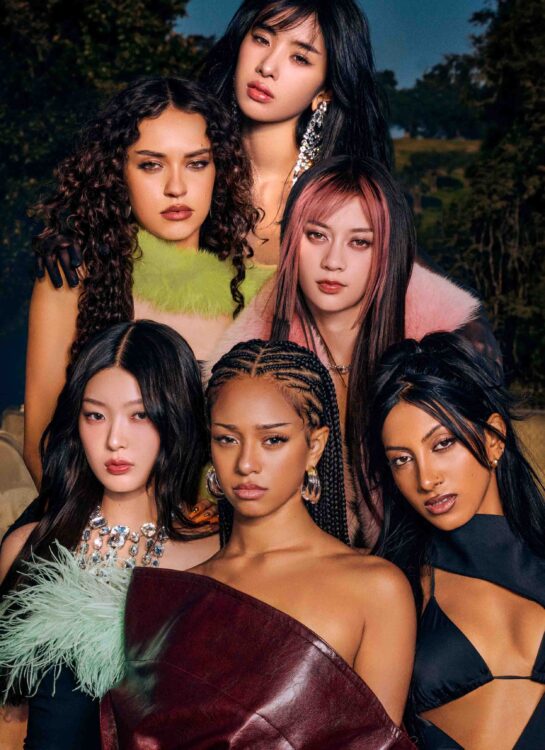
A meaningful backstory only carries a group so far. The music had to work, and by 2025 it clearly did. After the early momentum of “Touch,” Katseye escalated fast. In April 2025 they released “Gnarly,” a deliberately strange, sharp-edged single that served as the lead track for their second EP. It split opinion in the best possible way, the kind of song people argue about precisely because it refuses to sound like everything else on the radio. What was striking was how the group treated that risk as a feature rather than a fear. A year into a career, most new acts play it safe and chase the sound that already worked. Katseye did the opposite, betting that a distinctive, slightly chaotic single would say more about who they were than a polished retread of “Touch” ever could. That instinct to trust their own strangeness has become part of the group’s identity, and it maps neatly onto the wider point they keep making about beauty: the thing that makes you stand out is rarely the thing you should sand down.
That EP, Beautiful Chaos, arrived on June 27, 2025, and it marked a real commercial leap. The project debuted at number four on the Billboard 200, reported as the group’s highest-charting release to that point. For an act that had existed publicly for barely a year, cracking the top five of the American albums chart was a serious signal that Katseye was not a novelty built on a TV format but a group with staying power.
Then came “Gabriela.” Co-written by Charli XCX and widely described as a modern, twisty reimagining of the emotional territory of Dolly Parton’s “Jolene,” the song reached into the top 40 of the Billboard Hot 100 and became the group’s most decorated moment to date. It earned a Grammy nomination for Best Pop Duo/Group Performance, and Katseye also picked up a nomination for Best New Artist at the 2026 Grammys, where they performed. Two Grammy nominations inside their first couple of years is the kind of validation that turns industry skeptics into believers.
The throughline across these releases is confidence. Katseye’s catalogue is not built on shrinking or apologizing. It leans into desire, attitude, softness, and swagger, sometimes within the same song, which mirrors the way the members present themselves off the record.
Why the Beauty Conversation Follows Them Everywhere
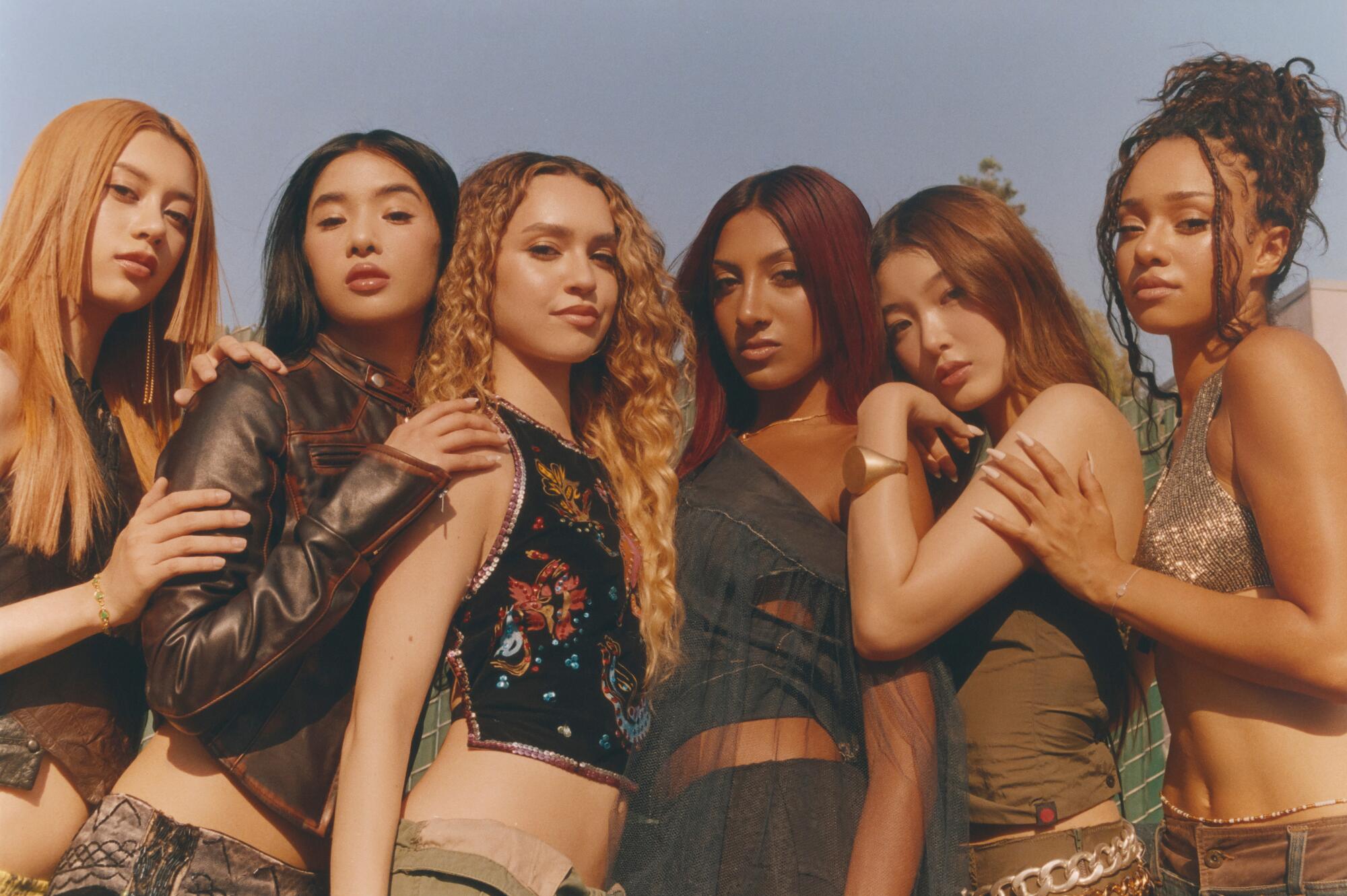
Here is where Katseye becomes more than a chart story. Global pop, and K-pop-adjacent pop in particular, has long carried a narrow and demanding beauty template: a specific body type, a specific set of features, a specific idea of what a “visual” is supposed to look like. Katseye keeps colliding with that template simply by existing as they are, and several members have decided not to stay quiet about it.
Lara Raj, in particular, has spoken directly against body-shaming. Reporting in early 2026 covered a message she posted responding to cruel commentary about her body during touring, in which she pushed back on the fixation with ultra-thin ideals and defended what a healthy woman’s body actually looks like in motion. The specifics matter less than the posture. A young woman at the peak of her visibility chose to name the shaming out loud instead of absorbing it silently, and she did it while fully embracing her own body rather than promising to change it.
That is body positivity in its truest, least sanitized form. Not a brand campaign, not a slogan on a tote bag, but a person under a spotlight refusing to accept that her worth is up for public debate. For readers who have ever been told their stomach, their curves, or their frame was a problem to be solved, that refusal reads as permission. Permission to take up space, to move, to perform, to be seen, without first shrinking to fit someone else’s comfort.
What gives the moment staying power is that it did not come wrapped in a careful publicist’s statement. It read as a real person reaching a limit and saying so plainly, which is why it traveled so far and why so many fans quoted it back to one another. In a corner of pop culture where performers are often coached into a permanent, unbothered smile, a flash of honest frustration about being picked apart felt less like a scandal and more like relief. It confirmed something readers of this magazine already believe, which is that the people we admire on stage are dealing with the exact same commentary the rest of us hear in everyday life, only louder and in public.
The members have also stretched the definition of representation beyond body image. Reporting has noted that members of the group have spoken openly about their queer identities, and the group has used performance moments to signal support for transgender visibility, including through wardrobe choices and casting decisions in their visuals. Whatever a given fan’s own identity, the message is consistent: there is room here, and the door is being held open on purpose.
What a Curvy, Global, Unbothered Fanbase Actually Looks Like
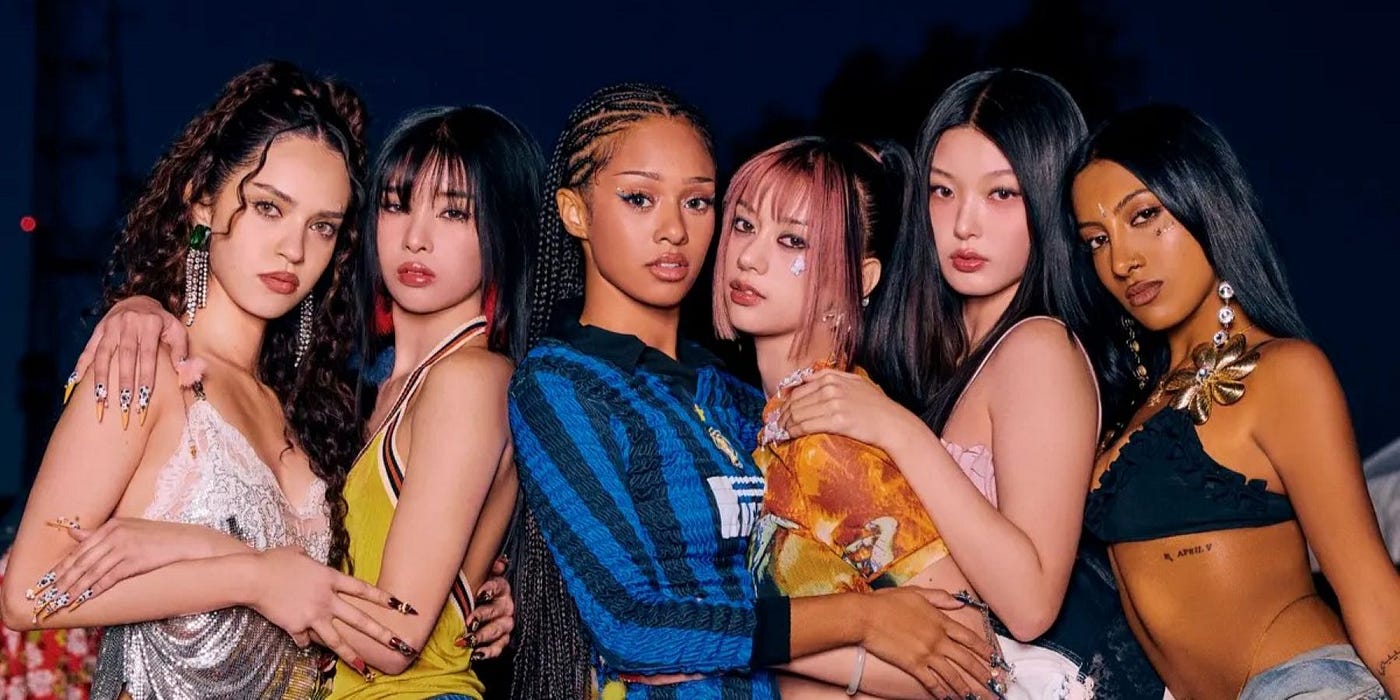
Spend any time in Katseye’s online communities and you notice the tone quickly. It is protective, it is celebratory, and it is startlingly diverse. There are South Asian fans posting about finally having a pop idol who shares their heritage. There are Filipino fans treating Sophia’s every milestone like a national event. There are Black fans, Latina fans, plus-size fans, and queer fans who talk about the group less like distant stars and more like proof of something they had stopped expecting to see.
That kind of fan energy is not an accident. It is the natural return on a group that was built to look like the actual world rather than a single narrow slice of it. When six women on a stage represent that many origins and that many body types and that many ways of being a woman, the fanbase reorganizes itself around belonging instead of exclusion. People do not have to perform a version of themselves to feel welcome. They show up as they are because the group models exactly that.
There is also something quietly radical in how ordinary the members make it all feel. They are not framing their diversity as a heroic burden or a marketing hook to be constantly explained. They dance, they joke, they release strange and catchy songs, they get nominated for Grammys, and their range of backgrounds is simply the texture of the group rather than its gimmick. Representation stops feeling like a lesson and starts feeling like the default, which is arguably the point representation was always driving toward.
Katseye as a Mirror, Not a Mold
The most useful way to hold Katseye is not as a group that happens to be diverse, but as a working argument against the idea that pop stardom requires a single approved face and a single approved body. Every part of their story pushes against that idea. A worldwide casting net instead of a narrow one. A lineup that spans continents instead of flattening into sameness. Members who protect their health instead of grinding themselves down, and who answer body-shaming with self-possession instead of silence. Music confident enough to be weird, and a fanbase that finally feels reflected.
None of this means the pressure has vanished. The commentary Lara Raj answered proves the old beauty policing is still very much alive, and no single group dismantles decades of it. But Katseye keeps offering the same steady counter-message with every release and every red carpet: you were never the one who needed fixing. The frame was always too small. Six women from opposite ends of the map made a habit of standing in the center of it anyway, and in doing so they handed a whole generation of listeners a simpler, kinder instruction. Take up the space. It was always meant for you too.