

If you have ever read a morning routine article and walked away feeling like a failure before sunrise, this is not that article. The routines that actually hold for working moms are smaller, weirder, and far more flexible than the internet wants them to be.
Most viral morning routine content is written for people whose mornings belong to them. Nobody is climbing into their bed at 5:30 AM asking for cereal. Nobody needs help with socks. That context changes everything, and almost no routine template accounts for it.
So here is a different approach. It is built around four anchor habits, a reverse-engineering trick that starts from your kid’s wake-up time instead of yours, and a decision tree for the days the wheels come off. By the end you will have a plan that fits your actual life, not a stranger’s Instagram.
The Lie of “5 AM Is the Only Way”

Let us name the elephant. The 5 AM club only works under one condition, and almost no working mom meets it: you have to be able to match an early wake time with an equally early bedtime. If your kid sleeps at 9 PM, you sleep at 9 PM, and your wake time is at least seven hours later. Anything less is a slow-motion crash, because chronically short sleep erodes the decision-making, mood regulation and energy you are trying to free up in the first place. There is no productivity hack strong enough to outrun it.
If you are ever tempted to romanticize sleep deprivation, Why We Sleep by Matthew Walker is a bracing corrective. One chapter is usually enough to send most people back to bed.
So before you pick a wake-up time, do the bedtime math first. If you cannot realistically be in bed by 9:30, you are not waking at 5. Pick a different anchor.
The 4 Anchor Habits (Pick 2, Not All)
This is the part most people get wrong. You read a routine with eight steps and try to install all eight on Monday. By Thursday the whole thing is dust.
For week one, pick two of the four anchors below. Two. That is the entire assignment. You can add more later, but only after the first two are boring. Boring is the goal. Boring means it stuck.
Anchor 1: Wake Before the Kids (Only If You Can Match Bedtime)
The promise of solo morning time is real. Thirty quiet minutes before tiny feet hit the floor can feel like a small vacation. But this anchor has a hard prerequisite: sleep is non-negotiable. If you are stealing from sleep to get the time, skip this one. Sleep beats solo time every time.
The rule worth holding yourself to: only wake before the kids if you can match the early hour with an equally early bedtime. If your child wakes at 6:30 and you want a 5:45 start, you are in bed lights-out by 9:45. If you cannot commit to the bedtime, do not commit to the wake-up. Choose a different anchor.
Anchor 2: Hydrate Before Phone
This one is small, free, and quietly life-changing. The order matters. Water before screen. Most of us wake up dehydrated after seven or eight hours of no fluids, and reaching for the phone before water hijacks the next forty-five minutes with other people’s emergencies.
The easiest version is a large glass of water left on the nightstand the night before, so you can drink it before your feet touch the floor. Zero-sugar electrolyte packets travel well if you like the taste, but a pinch of salt and a squeeze of lemon does the same job for free. The point is not the brand. The point is the sequence: water first, phone later.
Anchor 3: Five Minutes of Movement (Not a Workout)
Notice the wording. Five minutes. Movement, not exercise. This is the anchor people resist the hardest, because we have been sold the idea that anything under thirty minutes does not count. It absolutely counts.
What works: stretching on the floor while the kettle boils, walking around the block once with the dog, dancing in the kitchen to one song with your kid. What does not work: pretending you are going to do a forty-five-minute Pilates class before school drop-off. You will not. You are too tired. Five minutes is sustainable. Forty-five is fantasy.
Anchor 4: Coffee While Planning the Day (3 Priorities, Not 10)
This is the anchor most worth leaning on. While the coffee brews, write down three priorities for the day. Not ten. Not a sprawling brain dump. Three things that, if you do nothing else, mean today was a win.
The reason the number is small is that every extra commitment costs a decision, and decisions are exactly the resource you are short on at 6 AM. A tight handful protects the energy you need for the actual work. A Full Focus Planner suits this well because the page literally only has three priority lines, but a sticky note works just as well. The constraint is the magic, not the stationery.
Build the Routine in Reverse from Kid Wake-Up Time

Here is the trick that makes the difference. Most people build a morning routine forward from their wake-up time. Wake at 5:30, do x at 5:35, then y at 5:50, and so on. It collapses because the wrong variable is doing the work.
The variable that matters in a working mom’s morning is not when you wake up. It is when your kid wakes up. That is the immovable wall. Everything else has to flow backward from it.
The reverse-build process has three steps.
Step 1: Identify your kid’s reliable wake window. Not the unicorn morning where they slept until 8. The honest average, plus the swing in either direction. For a lot of households that lands somewhere around 6:30 with fifteen minutes of wobble.
Step 2: Decide how much solo time you actually need. Be honest. Some of us need 45 minutes. Some need 15. More is not better. More is just earlier, and earlier requires sleep math you may not be able to do.
Step 3: Subtract. Kid wake-up minus solo time equals your alarm. If your kid wakes at 6:30 and you need 30 minutes, your alarm is 6:00. That means you are in bed lights-out by 10:30 at the latest. Write all three numbers down and tape them to your bathroom mirror.
This is unsexy. It is also the single reason a routine survives past week two.
The 6:30 AM Wake-Up Schedule (Sample)

Here is what a weekday can look like when a kid wakes around 6:30, using two anchors: hydrate before phone, and coffee while planning.
- 6:00 AM: Alarm. Drink the large glass of water already on the nightstand. Phone stays face-down.
- 6:05 AM: Bathroom, brush teeth, splash cold water on your face. No mirror pep talk required.
- 6:10 AM: Start the coffee. While it brews, open the planner and write three priorities for the day. No email. No Slack.
- 6:20 AM: Sit with the coffee in actual silence. This is as close to meditation as the morning needs to get. Some days that is one page of a book. Some days it is staring at the wall. Both count.
- 6:30 AM: Kid wakes. Game face on. The routine is over, and that is fine, because you got the part that mattered.
That is the whole thing. Thirty minutes. Two anchors. No 5 AM heroics.
The 7:30 AM Wake-Up Schedule (Sample)

If your kid sleeps later, or if you work an afternoon shift, the math changes but the structure does not. Here is a 7:30 wake-up version with three anchors instead of two, because the longer window allows it.
- 6:45 AM: Alarm. Water from the nightstand, with electrolytes if you like them. Phone face-down.
- 6:55 AM: Five minutes of movement. Stretching on the bedroom floor while the kettle boils is plenty.
- 7:00 AM: Coffee in hand, three priorities written, ten minutes of silence or one chapter of a book.
- 7:15 AM: Pack lunches or prep breakfast. The chore is folded into the routine, not separate from it.
- 7:30 AM: Kid wakes. You have done water, movement, planning, and the first task of the day. That is a working mom’s version of winning.
The Decision Tree for Chaos Days
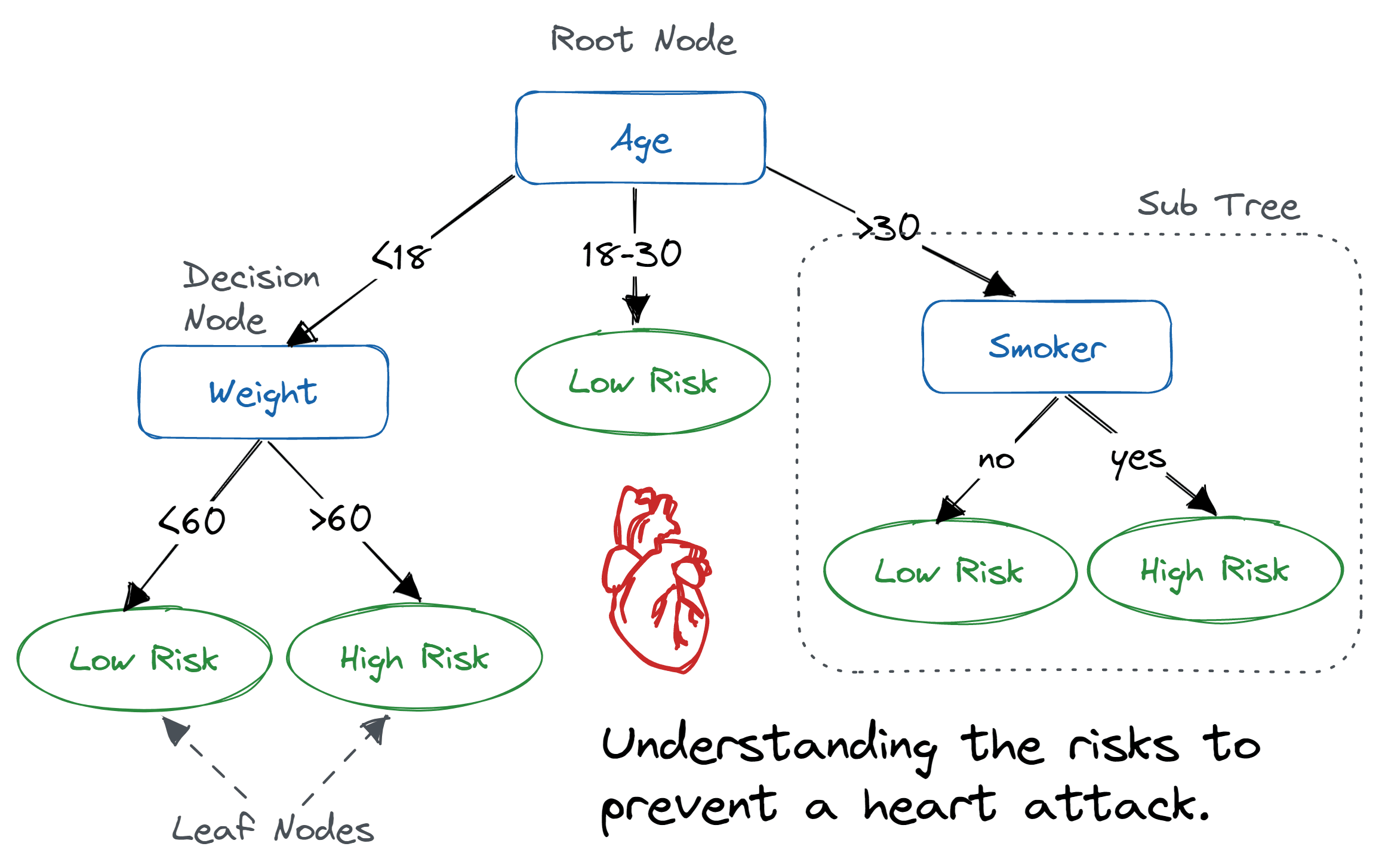
Here is the part no influencer talks about. Some mornings the routine is impossible. Your kid woke at 5:15 with a fever. You were up until 1 AM with a deadline. The dog threw up on the carpet. You do not need willpower on those mornings. You need a decision tree.
Four branches cover almost everything.
Branch 1: Kid is sick. Skip the routine entirely. Drink water when you remember. Eat something with protein. That is the whole assignment. You are in triage mode, and triage mode does not include personal development.
Branch 2: You were up past midnight. Cut the routine to one anchor only. Water before phone. That is it. Sleep in if your kid’s schedule allows. Trying to push through the full routine on four hours of sleep is the surest way to abandon the whole project by Friday.
Branch 3: Kid woke 90 minutes early. Skip the solo window. Move the three-priority planning into your first work block instead. The anchor moves, it does not disappear.
Branch 4: Everything is mostly fine but you woke up dreading it. Do the routine. The dread usually lifts halfway through the water. This is the most common scenario and the one where the decision tree is least needed, but it is worth saying out loud: low-grade reluctance is not a chaos day. It is just a Tuesday.
The Point Is Automation, Not Optimization

When a two-anchor routine has been running long enough, something shifts. It stops being a routine and becomes just what you do. There is no friction in starting it because there is no decision left to make. Water, coffee, three priorities. The same three moves in the same order, every workday.
That is the entire point of a sticky routine. Not optimization. Not productivity gains. Automation of the small choices so that your big choices have somewhere to land.
If you are starting from zero, two anchors held for three months will change more than five anchors abandoned in two weeks. Atomic Habits by James Clear is the cleanest explanation of why small and repeatable beats big and unsustainable, and it is worth reading before you design anything ambitious.
When to Skip the Routine Entirely

This is the part working mom routine content almost never includes, and it is the most important part. There are mornings where the right move is to skip the whole thing.
- You slept under five hours. Sleep. The routine can wait.
- Someone in the house is sick. Caregiving is the routine that morning.
- You are in the back half of your cycle or the first day of your period and your body is asking for softness. Listen.
- You are traveling and the time zone is fighting you. Be a person on vacation.
- You feel a cold or flu coming on. Rest is the productivity move.
Skipping the routine on a day that calls for it is not failure. It is the routine working as designed. A sustainable habit has a built-in off switch. If yours does not, it is a punishment system in a routine costume.
What to Cut

For balance, here are the habits most worth cutting from a working mom’s morning. Some of them may be sneaking into yours.
- Checking email before coffee. The emails are still there at 9 AM. They have never once been better at 6 AM.
- Scrolling Instagram in bed. Charging your phone in the kitchen solves this in one move.
- Trying to work out before drop-off. A lunch break workout is far more likely to actually happen.
- Journaling three pages every morning. Twice a week is plenty, and it is far easier to sustain.
- Cold plunges. If you love them, keep them. If you are only doing them because the internet told you to, let them go.
The shorter the list of things you have to decide about, the shorter the routine gets. That is the right direction.
Your Next Step (One Small Thing)

If you read this whole article, please do not try to install everything on Monday. Pick one anchor. Just one. Probably water before phone, because it is the easiest. Run it for seven days. If it holds, add the second anchor in week two.
Write your kid’s reliable wake time on a sticky note. Subtract your solo window. That is your alarm. Set it tonight.
The mornings that change your life are not the loud ones. They are the small, repeating ones that finally stop costing you energy to start. Yours is closer than you think.
A note on health information. This article is general information and not medical advice. It is not written by a clinician and it cannot account for your own history, medications or circumstances. Please speak to a qualified healthcare professional before starting, stopping or changing any treatment, medication or supplement, and seek professional support if anything here raises a concern about your own health.