
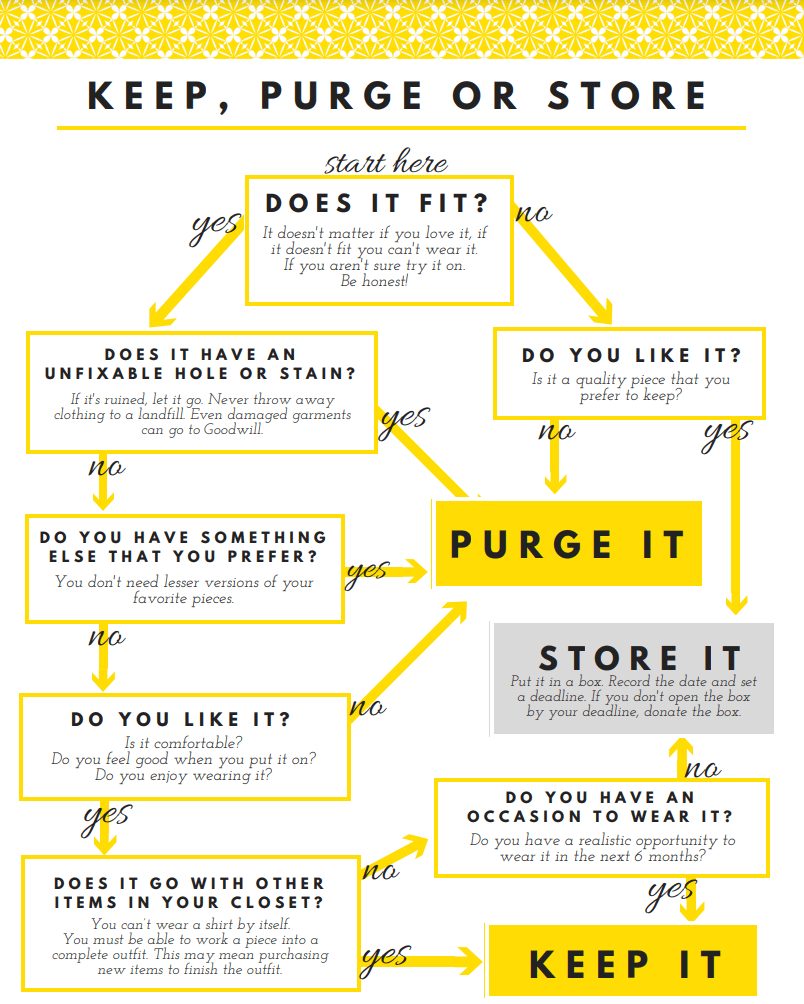
On a Friday night in November 2024, I emptied my closet onto the bed and made three piles. KEEP on the left. DONATE in the middle. And, on the right, the pile I’d been quietly making my whole adult life without ever naming it out loud: WHEN I’M SMALLER. Two pairs of high-waisted jeans that fit for about six wearings across three years. A silk slip dress from a 2022 sample sale with the tag still attached. Three blazers in a size 14 from a year I had not been a 14. A vintage cotton shirtdress I’d told myself I would wear “after a good summer.” The WHEN I’M SMALLER pile was the biggest of the three by a noticeable margin, and that night I added up what was in it. The number came to roughly $1,840 of clothing, almost all of it in good condition, almost none of it ever worn out of the apartment, waiting for a future body that, after a decade of weight cycling, was statistically unlikely to arrive on the schedule I’d promised it.
I dragged the WHEN I’M SMALLER pile into the DONATE pile that night. I did not photograph it, did not post about it, did not do any of the things that turn a private decision into content. I just sat on the floor next to a forty-gallon bag of clothing I had been emotionally storing for years and admitted, out loud and only to myself, that I had spent close to two thousand dollars dressing a stranger. This article is what I wrote down in the weeks after that. It is not a love-your-body essay and it is not a manifesto. It is a working editor’s notes on how to actually get dressed in the body you have on a given Tuesday, when the body you have is also the body you are most ambivalent about.
The WHEN I’M SMALLER closet and what it actually costs
Most plus-size women I know have a version of the WHEN I’M SMALLER section, even if they don’t call it that. It lives at the back of the closet behind the things they actually wear. It lives in the bottom drawer of the dresser. It lives in a single bin in the storage unit labeled “summer” or “going out” or simply nothing at all. The pieces in it are usually nicer than the pieces in active rotation, because the WHEN I’M SMALLER closet is where the aspirational dollars went. The jeans cost more. The dress cost more. The blazer cost more. Future-thinner-you was always going to deserve nicer things than current-you, which is its own quiet form of self-punishment dressed up as planning.
The 2024 NPD apparel return data, which tracks the resale and return behavior of US clothing buyers, put a number on this in a way that landed hard for me. The average plus-size woman in the US wastes between $1,200 and $2,000 a year on aspirational sizes, meaning clothing purchased in a size below her current measurements and either never worn, worn once or twice, or returned past the window. That figure tracks separately from regular fashion spending. It is purely the tax on dressing for a future body. Over a decade of adult dressing, that is somewhere between $12,000 and $20,000 of unworn clothing.
There is a psychological cost on top of the dollar cost, and it is the part most personal finance writers miss. Every time you open the closet and see a row of pieces that do not currently fit you, the closet itself becomes a quiet referendum on your body. You did not set out to give yourself a daily verdict. You set out to buy a dress. But the cumulative effect of standing in front of fifteen garments that disagree with your measurements is a slow erosion of the assumption that your body is allowed to take up space in the room you are standing in. I noticed it most on the mornings I was already running late, when the closet should have been a tool and was instead a closing argument.
The fashion psychologist Tara McGoldrick has written about this as the “aspirational closet effect,” and her clinical work suggests that the daily exposure to ill-fitting aspirational clothing measurably correlates with lower body satisfaction scores over a six-month window, independent of any actual weight change. The closet is not neutral. The closet is talking to you. The WHEN I’M SMALLER pile is the loudest voice in it.

Why “you can always lose weight” is not the assignment
The reflex response to everything I’ve just written is “well, you could always lose the weight.” I want to be precise about why that response, well-intended or not, misses the assignment of this article.
Aubrey Gordon writes in What We Don’t Talk About When We Talk About Fat that fewer than five percent of people who intentionally lose a significant amount of weight maintain that loss over five years. The number is from long-running NIH-funded meta-analyses and it is not in serious dispute among researchers, only among the diet industry that depends on you not knowing it. Roxane Gay, in Hunger , writes about the specific cruelty of organizing your life and your wardrobe around a body that has not arrived and may not arrive: “I knew I should be losing weight. I did not lose weight. I lived in the body I had while pretending to live in the body I wanted.”
What both writers point at, and what I want to put plainly here, is that the question of whether you eventually change your body is not the same question as what you are going to wear this Saturday. They are separate questions on separate timelines and they need separate budgets. The WHEN I’M SMALLER closet conflates them. It says: I will not dress this body well because dressing it well is a betrayal of the body I am supposed to want. That is a confusion of categories. You can be actively working on something - your relationship to food, to movement, to medication, to medical care - and also wear clothing that fits you today. The two are not in moral competition. One is health behavior on a multi-year arc. The other is what you put on your legs Saturday at four p.m.
The 2025 Nordstrom plus-size customer study, which surveyed roughly 4,800 customers wearing sizes 14 through 32, found that 71 percent of respondents owned more than ten items they could not currently wear, and 58 percent reported feeling “worse” or “much worse” about their bodies after closet exposure to those items. The same study found that customers who had done a deliberate audit and removed aspirational sizing reported significantly higher outfit satisfaction within ninety days. The intervention was the audit. The variable that changed was not body size. It was what they were looking at every morning.
The five-question audit

Here is the audit I ran on my own closet that November and have since run with friends, with coaching clients, and with my mother-in-law. Pull out one piece at a time, and ask five questions in this order.
1. Have you worn it in the last twelve months? Not “have you owned it.” Not “have you tried it on.” Have you worn it out of the apartment to do a thing in the world. Wedding, dinner, errand, work. Twelve months is the full cycle. If a piece has not made it onto your body for an outside event in a full year, it has had its chance.
2. Does it currently fit? Not “does it zip with effort.” Not “did it fit at the sample sale.” Does it fit your body, today, in a way you would willingly leave the house in. The honest answer here is usually obvious within five seconds of trying it on.
3. Did you buy it for a fantasy event? The gala that did not happen. The vacation that got cancelled. The job interview at the company you decided not to apply to. The date that turned into a different relationship. Fantasy-event clothing accumulates faster than you think and is among the easiest to release because the event is no longer on the calendar.
4. Does putting it on make you feel like you owe it something? This is the most important question and the one most people skip. There is a category of clothing that, when you put it on, makes you feel indebted - to the price you paid, to the person who gave it to you, to the body you used to have, to the body you said you would have. The garment becomes a reminder of a debt rather than a tool you reach for. Debt clothing is not clothing. It is a guilt artifact wearing a hanger.
5. Would you buy it new at this size today? Imagine walking into the store this week and seeing the piece, in your current size, at its original price. Would you buy it. If the answer is no, the only reason it is in your closet is sunk cost, and sunk cost is the worst possible reason to dress your body in the morning.
Any piece that fails two or more of these questions goes in the cut pile. I do not negotiate with the cut pile. The cut pile is final, and the relief on the other side of it is real and measurable. My November audit cut 47 pieces. I did not miss a single one. I have not been able to recall, six months later, what most of them were.
What to do with the clothes you cut
Three buckets. Decide before you start so the cut pile does not move into a bag in the hallway and stay there for another year.
For the everyday pieces in decent condition - the tees, the trousers, the dresses under $80 retail, the casual jackets - donate directly to a women’s shelter or your local YWCA. Call ahead. Most shelters have specific intake windows and specific size needs, and plus-size donations are notoriously underrepresented at shelter clothing closets. The pieces you have been letting hang unworn are very likely to be the most-needed pieces on the rack the moment they arrive. Bowery Mission, Sanctuary for Families, Win NYC, and Dress for Success all run intake programs that take plus-size clothing seriously. Your city has the equivalent.
For the higher-value pieces - silk, leather, structured outerwear, anything originally over $80 with the label intact - list on ThredUp or Poshmark. ThredUp’s “Clean Out Kit” handles the photography and listing if you would rather not, at the cost of a lower payout. Poshmark pays better and is faster, but you list and ship yourself. I have personally recovered close to $600 across the two platforms from a single audit pile, which is not nothing, and went directly into a small fund for one well-fitting current-size hero piece.
For the sentimental and the family-adjacent - the dress from a friend’s wedding, the blazer your sister has admired for years, the piece a niece would actually wear - hand it off in person. Do not mail. Do not “ship when you get around to it.” Walk the bag over, hand it across the table, watch it leave the building. The reason this matters is that mailed pieces become a project, and projects sit in a corner, and the corner becomes a smaller version of the original problem.
Eight silhouettes that work on most plus-size bodies right now
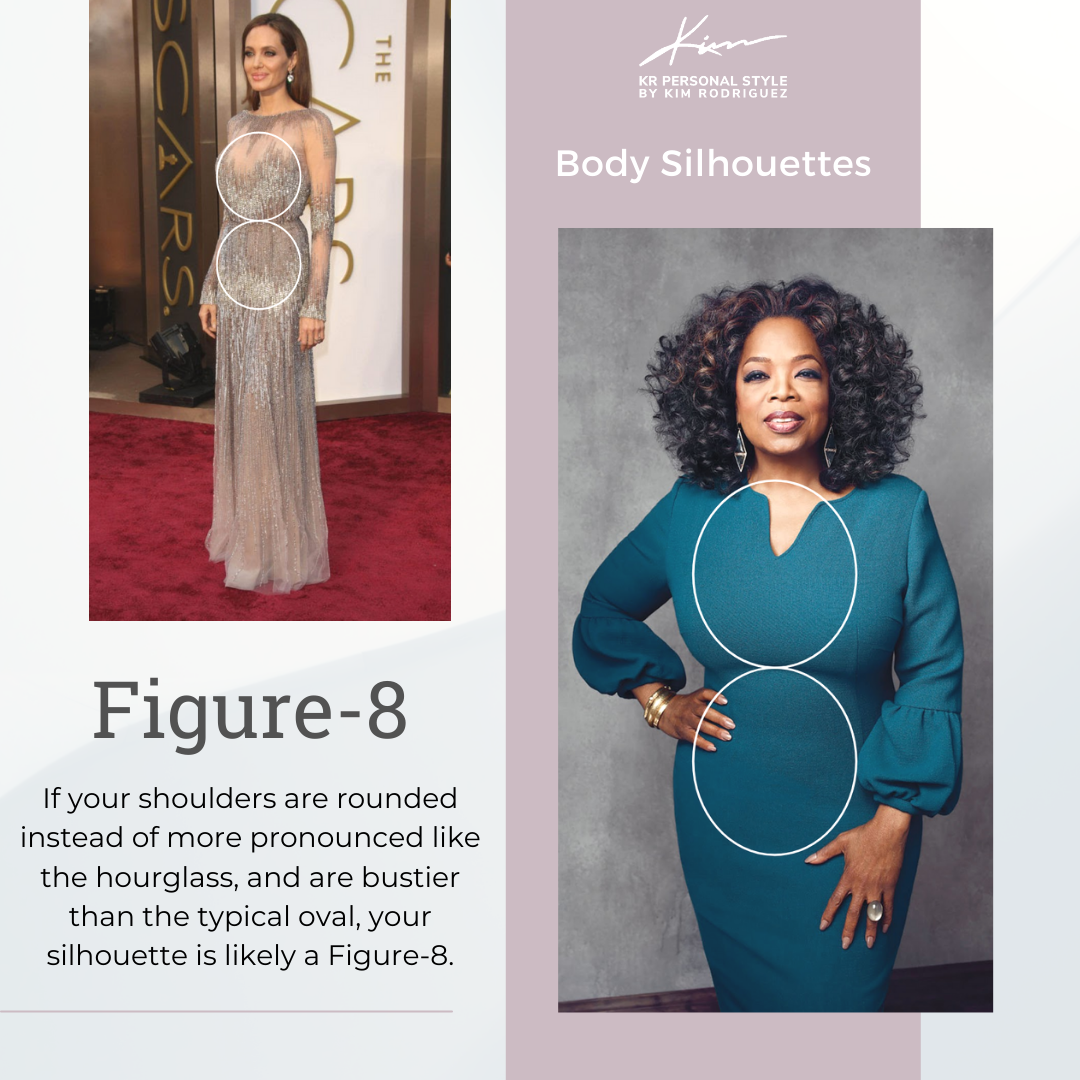
The mistake that ruined most of my twenties was shopping by item instead of by silhouette. I would see a great pair of skinny jeans on a friend and buy the same skinny jeans for myself, then be confused when the same garment read entirely differently on my body. Silhouette is not item. Silhouette is the overall shape the outfit creates from across a room. Here are the eight that consistently work for plus-size bodies in 2026, drawn from my own rotation and from years of dressing friends.
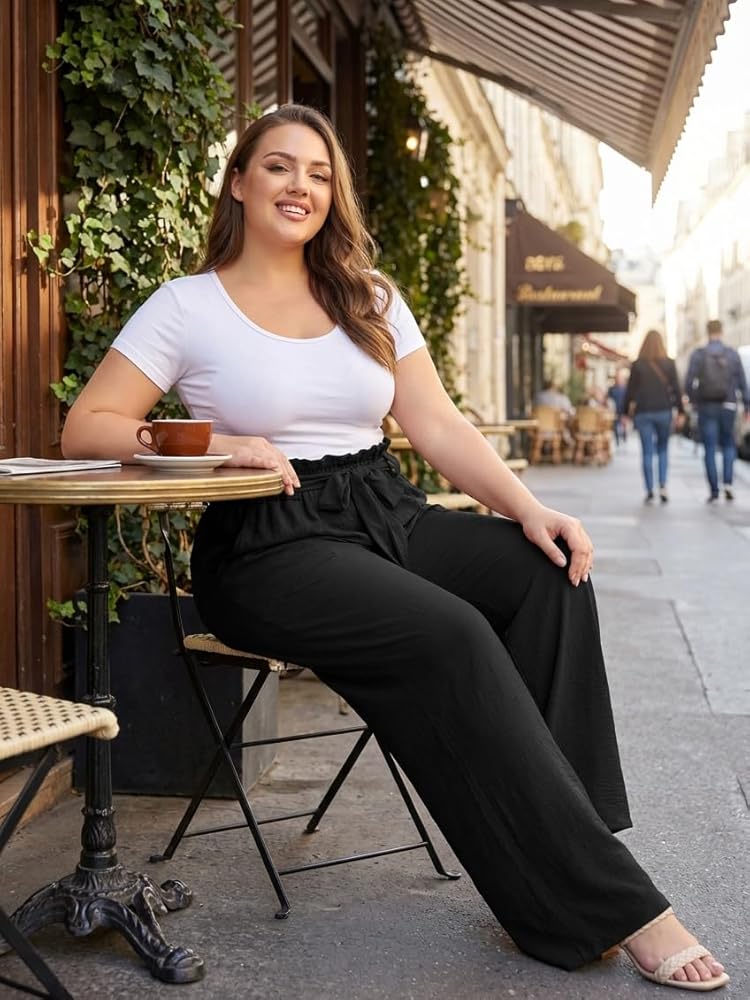
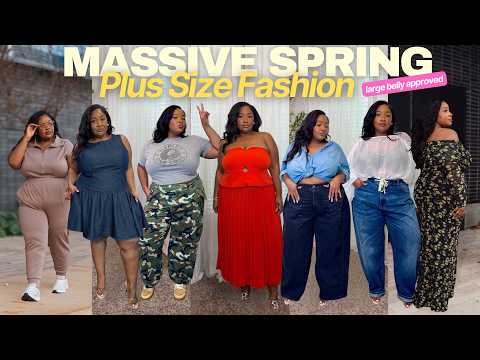
The wide-leg pant + tucked tee. A flat-front, full-length wide-leg trouser with a tucked or half-tucked fitted tee creates a vertical line that reads as long and intentional. The fitted top establishes the waist, the wide leg balances the hips, and the proportion is automatic. Universal Standard, Eloquii, and Old Navy’s plus extension all have versions under $80.
The column dress. A floor-skimming or midi dress in a single color that runs uninterrupted from shoulder to ankle. No belt, no contrast. The column is the oldest cheat code in plus-size styling because it does the work of a long unbroken vertical without requiring any styling moves on your part.
The structured shoulder + soft body. A blazer or jacket with a real, defined shoulder seam paired with something softer underneath - a slip skirt, a jersey dress, a relaxed trouser. The shoulder gives the eye a clean anchor at the top and lets the rest of the outfit fall in a way that flatters without trying.
The blazer and bike-short. An oversized blazer over a fitted bike short with a clean shoe is the most underrated plus-size silhouette of the last three years. It works because the blazer covers the zones most plus-size women report being most self-conscious about while the bike short defines the leg line. Lizzo, Paloma Elsesser, and Ashley Graham have all worked variations of this look. It is a real outfit.
The bias slip with a t-shirt over. A bias-cut slip dress with a soft cotton tee layered over it. The slip provides the drape and the leg line, the tee adds a casual upper register that makes the slip wearable in daylight without feeling like lingerie escaped the bedroom.
The layered tank set. Two thin tanks worn together, one slightly longer than the other, with a wide trouser or a denim. The double layer gives shape to the torso without compression, and the proportion of fitted top to wide bottom does the rest.
The wrap dress in the right rayon-blend. The wrap dress has been oversold and undertailored for thirty years, but a real wrap dress in a rayon-blend with weight to it - not a synthetic stretch - is one of the most reliable silhouettes there is for a body with curves. The key is the fabric. Pure polyester wraps cling badly. Rayon with some give holds the shape.
The oversized button-down + cigarette pant. A men’s-cut or relaxed cotton shirt half-tucked into a slim cropped trouser, with a sleek shoe. This is the silhouette I wear most often in editorial contexts because it reads as quietly serious without reading as hiding. The cigarette pant defines the calf and ankle. The shirt does everything else.
You do not need all eight. You need three that you genuinely like, repeated in slightly different colors and fabrics, and the dressing question on most mornings disappears.
The bra question
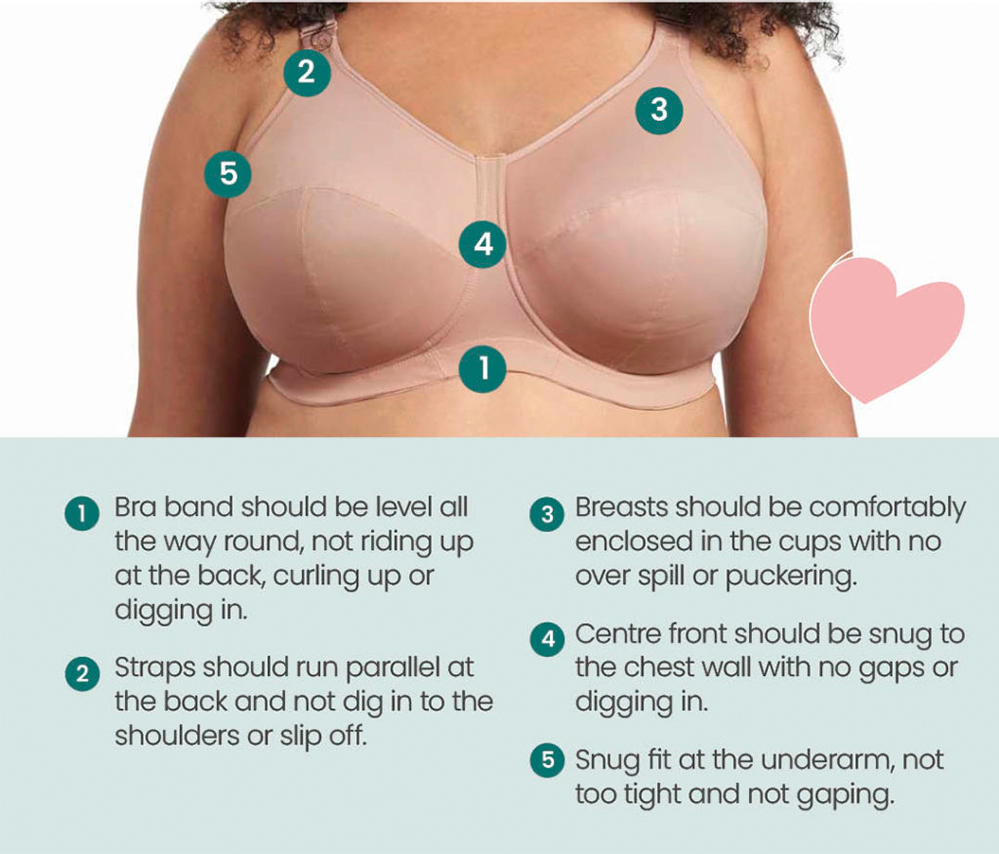
I am putting this in its own section because it matters more than the rest of it combined. The number of women I have styled who are wearing the wrong bra size is somewhere north of 80 percent, and the number who have not had a real professional fitting in five years or more is higher than that. The wrong bra changes the silhouette of every single outfit above it. You can do all eight of the silhouettes above and still look subtly off if the foundation underneath them is in the wrong cup.
Your wedding-day cup size is not your current cup size. Your post-pregnancy cup size is not your current cup size. Your cup size from before you started or stopped a medication that affected your hormones is not your current cup size. Cup sizes shift with weight, with age, with menstrual cycle, with hormonal contraception, with motherhood, with peri-menopause. The body you have today has the bra size you have today, and it is almost certainly different from the bra size on your most recent purchase.
Two places in the US do this fitting properly and at no charge. Nordstrom’s lingerie department will fit you in cup sizes from A through K, the consultation is free, and you are under no obligation to buy. Ask for an experienced fitter and tell them your goal is calibration, not purchase. The other is Town Shop on the Upper West Side of Manhattan, which has been doing professional bra fittings since 1888 and is the gold standard. A Town Shop fitting is twenty minutes, no appointment, no charge unless you buy. Both options will measure you correctly using the band-first method rather than the volumetric guessing most lingerie boutiques default to.
Once you know your real current size, the next thing every outfit above sits on top of changes. Tops drape differently. Dresses fall differently. Blazers close differently. The single highest-return styling move available to most plus-size women is not a new blazer or a new dress. It is a properly fitted bra in two colors that they replace every nine to twelve months.
Shopping rules for the body you have
Three rules. They are not negotiable for me and I would not write this article if I weren’t willing to put them in writing.
Try on before you buy. Sizing across plus-size retailers is wildly inconsistent. A 16 at Old Navy is not a 16 at Eloquii is not a 16 at Universal Standard is not a 16 at vintage. Online sizing charts are starting points, not finishing lines. If you cannot try on, buy from a retailer with a no-questions return policy and return what does not work the day it arrives, not in three weeks.
Do not buy anything for an event that is more than three months out. Your body in three months is unknown. Your mood in three months is unknown. Whether the event happens in the format you currently imagine is unknown. Anything you buy for an event further than ninety days from now is, statistically, more likely than not to either not fit or not feel right by the time the event arrives. Buy event clothing in the window you are actually about to live through.
Rent for the gala. Anything that requires a price tag higher than $200 for a single event - the black-tie wedding, the gala, the work awards night, the cousin’s destination wedding in Tulum - rent it. Rent the Runway, Nuuly, Armoire, and Vivrelle all carry sizes through 24 reliably and some carry through 28. The math is not even close. A $1,200 dress worn once is $1,200 per wear. A $90 rental of a $1,200 dress worn once is $90 per wear and gets shipped back the next morning.
The body-neutral language reframe
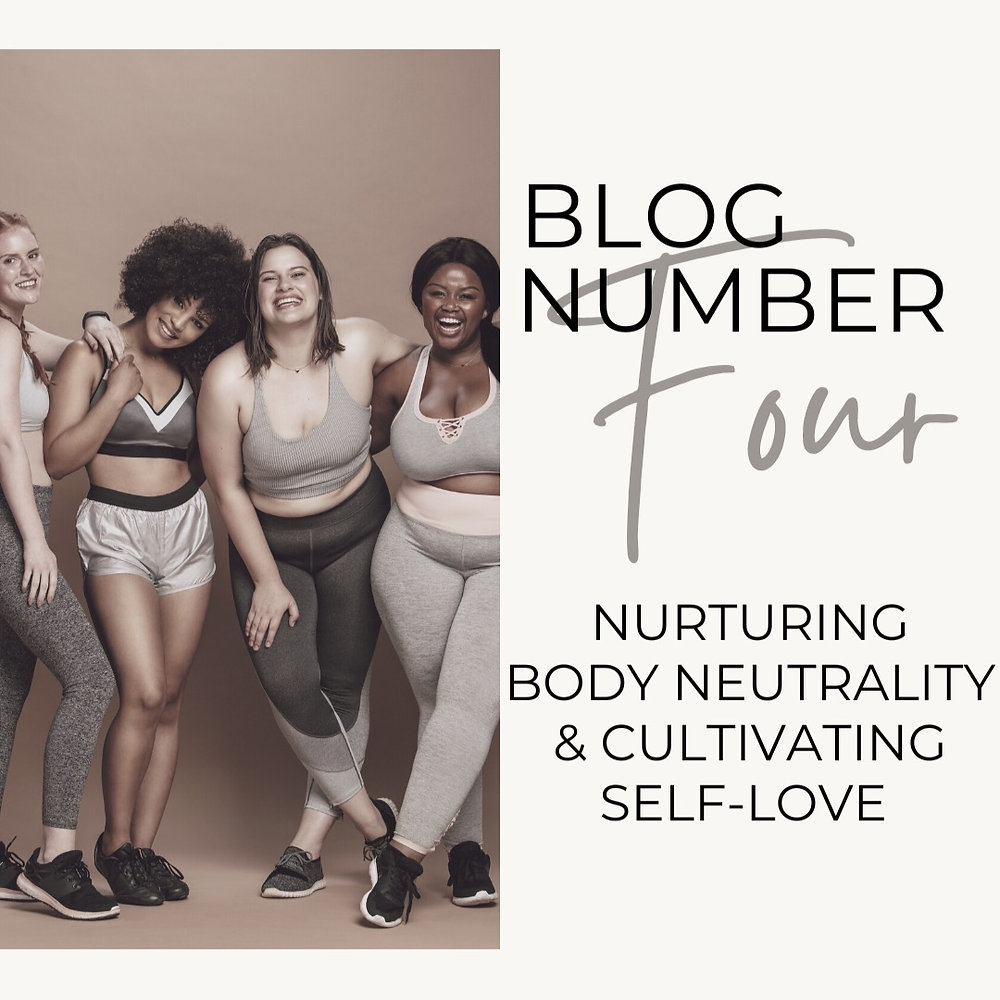
The language you use about your body in your own head is part of what gets dressed when you get dressed, even if no one else can hear it. McGoldrick’s clinical work, published across several papers and her 2024 book on fashion psychology, includes a deceptively small intervention that has held up consistently across her client samples: try, for one week, replacing the phrase “my body” with the phrase “this body.”
The substitution sounds trivial and produces a result that is not. “My body” implies ownership, judgment, a verdict you have already rendered. “This body” is descriptive. It is the body that is here. It does not require you to feel any particular way about it. It just acknowledges that it exists and that it is, today, the one getting dressed. McGoldrick’s clients reported, on average, a measurable drop in clothing-related anxiety after one full week of consistent use of “this body” instead of “my body” in their internal narration.
I do not love every “love your body” message in the wellness aisle and I am not asking you to either. Body positivity, as a movement, has produced both real progress and a layer of forced cheerfulness that some of us have never quite been able to perform. The body-neutral move is different. It does not ask you to love anything. It asks you to stop running a continuous quiet trial. “This body needs a bra that fits. This body is cold today. This body wants the wide trouser, not the skinny.” That is a livable internal voice. The other one is exhausting.
What to keep buying secondhand vs new in 2026
Plus-size secondhand has gotten significantly better in the last three years and remains the place where the value math is most favorable, but not for every category. Here is the split I use, and recommend.
Buy secondhand: outerwear (coats hold up for decades and the resale market is full of barely-worn plus-size coats), denim (washed-in denim wears better than new denim and saves the most money), blazers (especially structured tailored pieces that are expensive new), bags, leather, dresses for one-off occasions you nonetheless want to own. ThredUp’s plus-size category, Poshmark, The RealReal for designer, and your local consignment if it actually stocks above a 16.
Buy new: bras (always, fit drift and band stretch make secondhand bras a false economy), underwear, swimwear (the structure and elastane degrade), shapewear, athletic wear with technical fabrics, white shirts you intend to wear weekly, and the foundational pieces in your eight silhouettes. The reason to buy these new is that they are the daily-rotation pieces. The cost-per-wear math actually favors new on anything you will wear more than thirty times.
The split saves real money over a year. My current personal mix is about 60 percent secondhand by item count and roughly 30 percent secondhand by dollar spend, and the wardrobe is the most useful one I have ever owned at any size.
What to wear tomorrow
The wardrobe you build for the body you are working toward is a wardrobe you are not wearing. That is the entire argument of this article in one sentence. Every Saturday it sits in the closet is a Saturday you showed up in clothing chosen for a stranger. Every dinner you ate in the second-best outfit because the best outfit was reserved for the smaller version of you is a dinner the smaller version did not actually attend. The body in the mirror today is the body that gets dressed first. The other one, if she arrives, can wait her turn.
Tomorrow, before you do anything else, pull out a wide-leg pant in your current size, a fitted tee in your current size, and the most comfortable shoe in the rotation. Tuck the tee halfway. Add the third piece you reach for most often - a longline blazer, a soft duster, an open shirt. Look in the mirror once, take one piece of jewelry off if there are more than two, and leave the house. That is the outfit. It cost you nothing this morning, it took ninety seconds, and it was built for the body that walked into the closet, not the one you keep telling yourself is on the way.