


The Costco supplement aisle is 84 feet long. I measured it. It starts with collagen at hip height and ends with a magnesium pyramid taller than I am, with a “Women’s Wellness” section in the middle full of biotin gummies, sea moss powder, and a $48 “hormonal balance” tincture with no clinical research behind it. I was 37, my energy had been off for six months, and I walked out with $211 in supplements and almost none of what my doctor would later tell me I actually needed.
This list is the corrective. It is what three credentialed women’s-health physicians, Dr. Stacy Sims, Dr. Mary Claire Haver, and Dr. Casey Means, point women between 30 and 49 toward for the standard complaints of this decade: tired in the afternoon, not sleeping well, slower recovery, a body composition that has stopped bouncing back. Nobody takes all eight at once. The point is matching what you take to what you are actually short on.
What to look for before you buy a single bottle
The FDA does not verify that what is on the label is in the capsule. The marks that mean something are USP Verified, NSF Certified for Sport, and ConsumerLab tested. “Doctor-formulated,” “clean,” and “natural” mean nothing. Form matters too. Magnesium oxide absorbs at four percent. Glycinate at 40 percent. Iron sulfate causes stomach pain in a third of users. Iron bisglycinate in five. Iron and vitamin D both have ceilings above which they harm, and the only way to dose them right is bloodwork first.
1. Vitamin D3 with K2, the foundational hormone
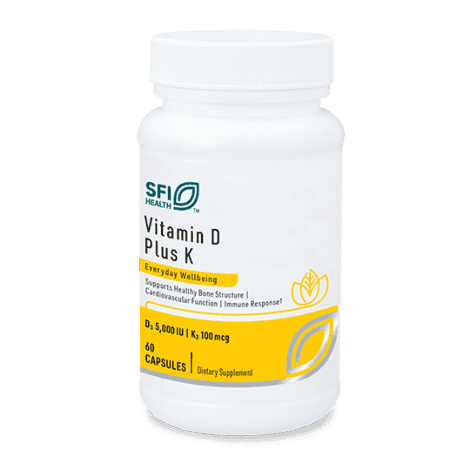
Vitamin D is a steroid hormone, not a vitamin, and almost every cell has a receptor for it. The Endocrine Society estimates 41 percent of American adults are deficient, with rates closer to 80 percent in Black women, who synthesize it more slowly because melanin filters the UVB rays involved. Above the 37th parallel, which runs through northern California, Virginia, and Kentucky, the sun is too low from October through March for skin to make any meaningful amount. Low vitamin D correlates with depression, worse insulin sensitivity, weaker immune response, and accelerated bone loss in perimenopause. Dr. Stacy Sims has been emphatic that vitamin D is the supplement she would never have a female athlete skip.
The research-supported dose is 1,000 to 4,000 IU daily, with the right number determined by a 25-hydroxyvitamin D blood test. The target range most functional practitioners use is 50 to 70 ng/mL. K2 directs the calcium D pulls into circulation toward bones rather than soft tissue. Nordic Naturals Vitamin D3 + K2 covers both at a dose adjustable to bloodwork. Around $20 for three months.
2. Magnesium glycinate, the sleep and anxiety lever
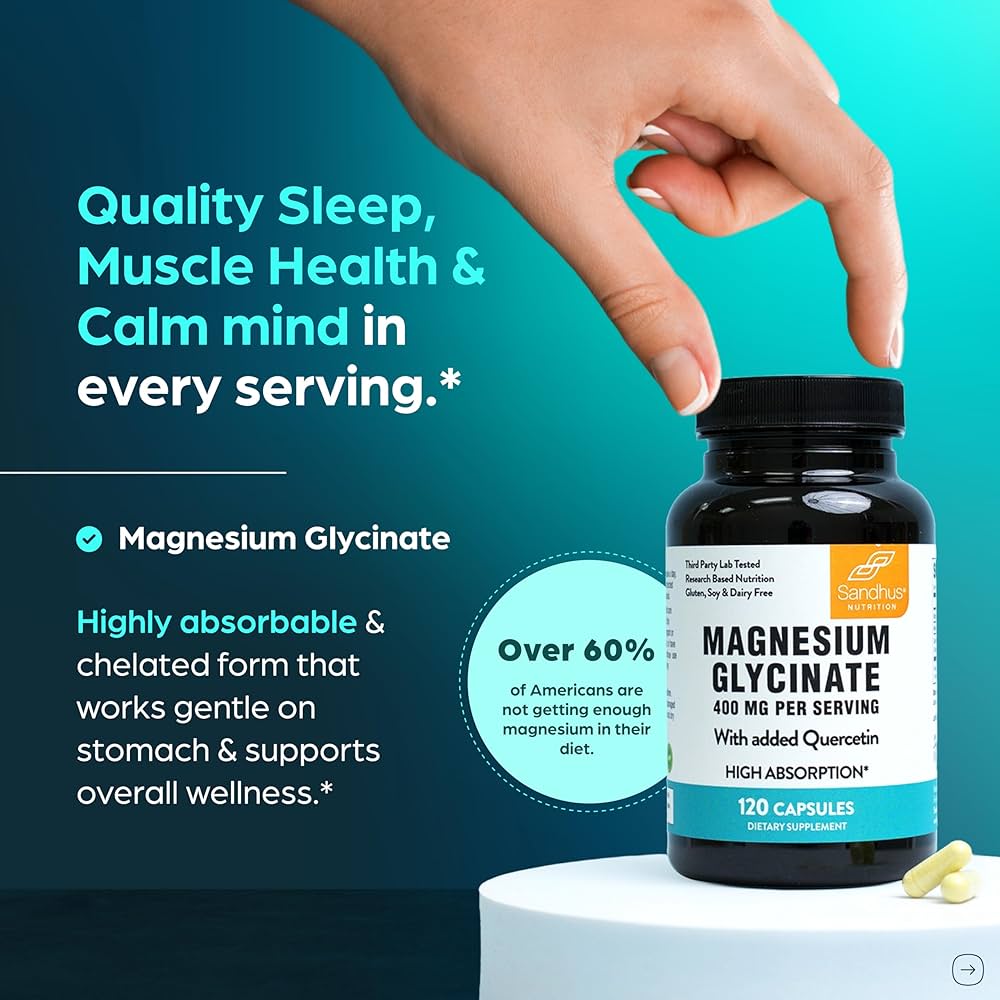
Magnesium is involved in over 300 enzymatic reactions, including GABA production, which calms the nervous system before sleep. NHANES data shows 48 percent of Americans fall short of the daily intake, and the gap widens in women over 30 because caffeine, alcohol, and chronic stress all accelerate excretion. Symptoms of deficiency overlap exactly with the perimenopausal short list: poor sleep, night cramps, afternoon anxiety, worsening PMS. Dr. Mary Claire Haver lists magnesium glycinate as one of the three supplements she takes herself and recommends to almost every patient in the 35 to 55 window.
Form matters more here than in any other category. Oxide is poorly absorbed and acts as a laxative. Citrate is better but loose-stool prone. Glycinate, the chelated form bound to glycine, absorbs well and crosses into the brain. Standard dose is 400 mg of elemental magnesium, taken about an hour before bed. Pure Encapsulations Magnesium Glycinate is third-party tested. Sleep improves within five to seven nights. Anxiety relief, particularly the late-afternoon chest-tightening kind, takes two to three weeks.
3. Omega-3 EPA and DHA, the inflammation governor
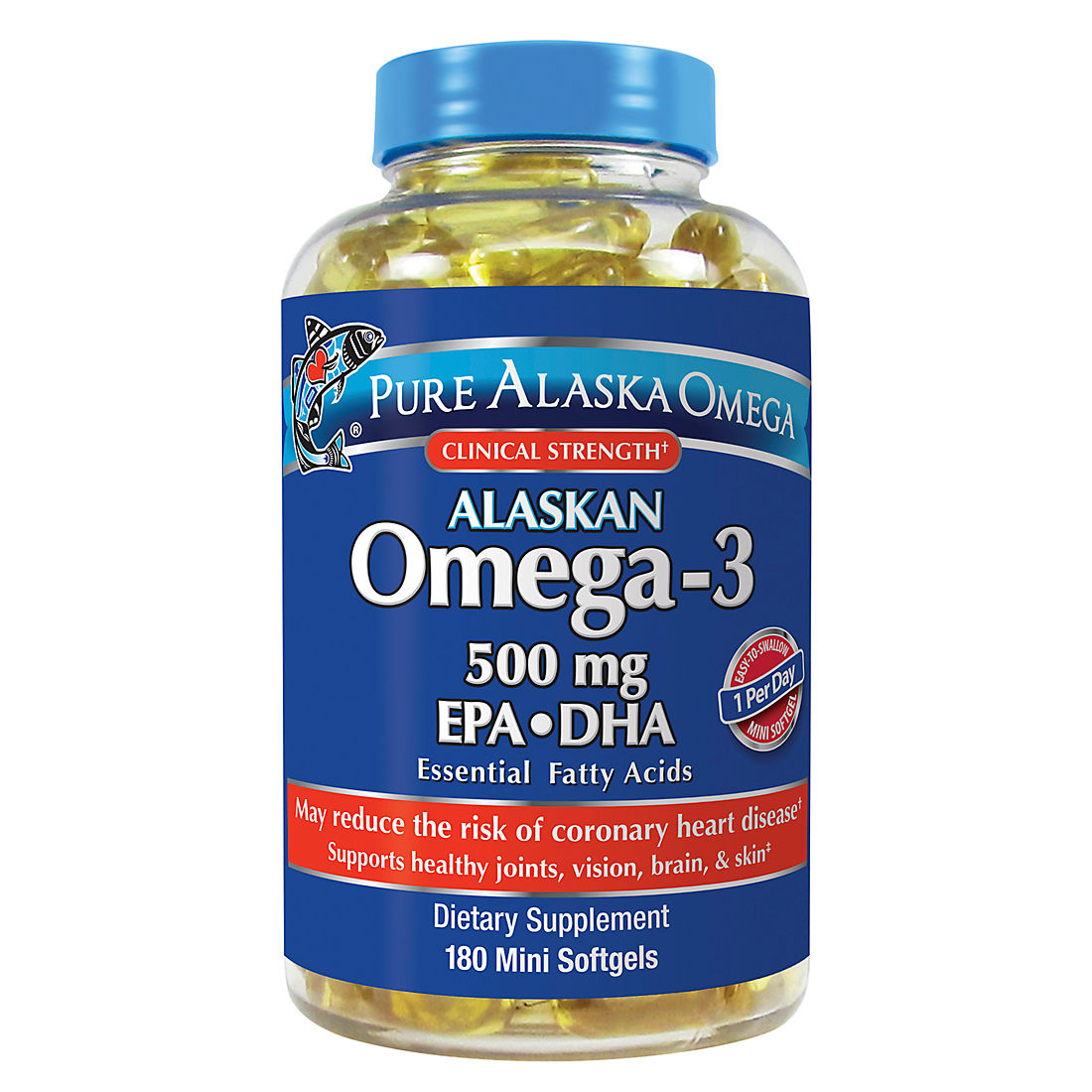
Omega-3s are the strongest evidence-backed intervention for chronic inflammation, which underlies almost every age-related condition women in their 30s and 40s start hearing about. The Western diet, heavy on seed oils, runs an omega-6 to omega-3 ratio of roughly 20:1. The target is closer to 4:1. Clinical evidence covers cardiovascular outcomes, postpartum depression, perimenopausal mood, joint inflammation, and midlife cognitive function. Dr. Casey Means has written that omega-3 supplementation is the single intervention with the broadest documented benefit across the systems most likely to show strain in a woman’s late 30s.
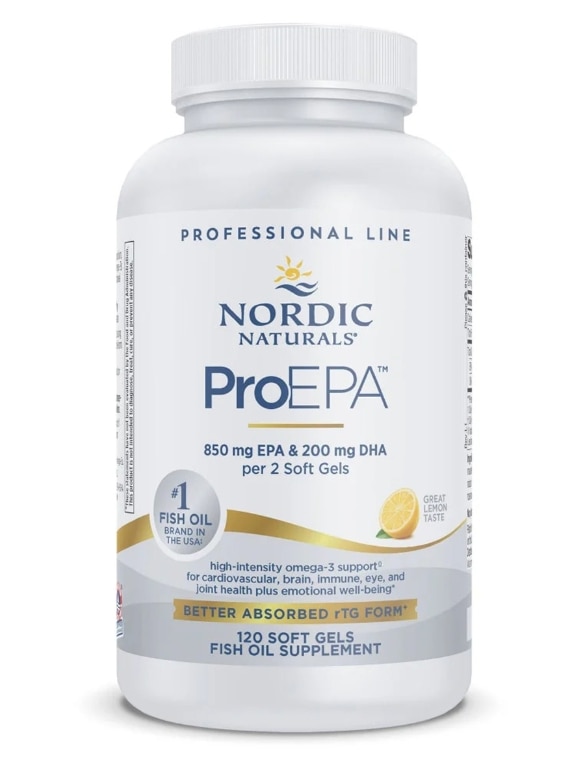
The dose that hits clinical threshold is 2,000 mg of combined EPA and DHA per day, meaningfully higher than what most generic fish oil capsules deliver. A “1,000 mg fish oil capsule” often contains only 300 mg of actual EPA plus DHA. Nordic Naturals Ultimate Omega publishes oxidation values, which matter because rancid fish oil is worse than no fish oil. The capsule should not smell fishy when you bite into it.
4. Iron bisglycinate, only if your ferritin is low
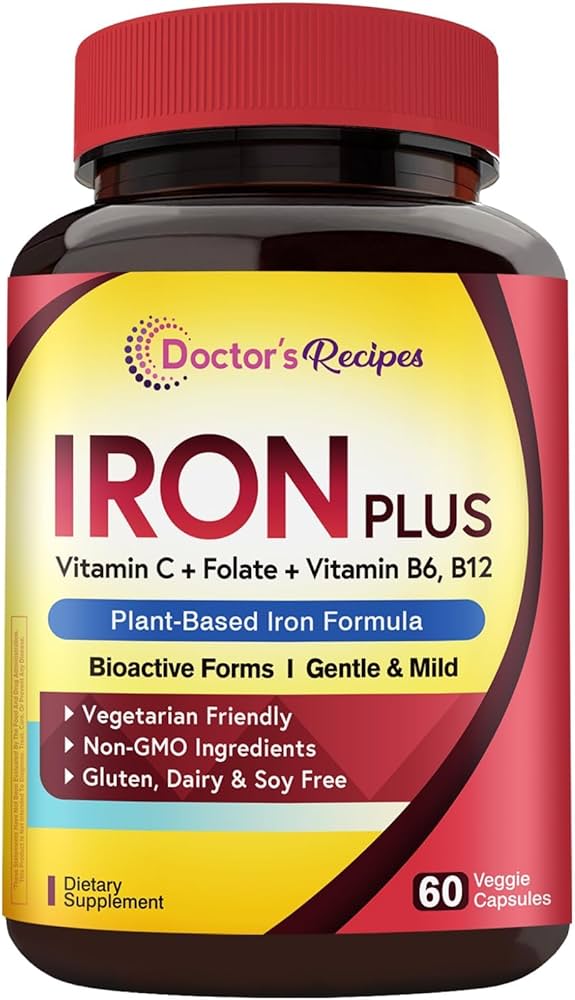
Iron is the supplement most likely to be taken by women who do not need it and skipped by women who do. The standard hemoglobin test only catches iron deficiency once it has progressed to anemia. The earlier marker, ferritin, which measures stored iron, is the test that flags the problem in time. A ferritin level under 30 ng/mL is considered low even inside the “normal” reference range, and the symptoms overlap perfectly with the catch-all complaints of this decade: persistent fatigue, hair shedding, exercise intolerance, restless legs. Dr. Stacy Sims has pointed out that female athletes run ferritin deficient at four to five times the rate of male athletes, and the deficiency tanks performance long before it shows up on a standard panel.
The rule: do not supplement iron without a ferritin test. Iron has a ceiling above which it contributes to oxidative stress and, in hemochromatosis carriers, organ damage. If the test shows ferritin under 30, the typical protocol is 25 to 50 mg of elemental iron in the bisglycinate form, on an empty stomach with vitamin C, no closer than two hours to coffee, tea, or calcium. Thorne Iron Bisglycinate causes a fraction of the stomach upset of the sulfate form. Recheck at three months.
5. Methylated B-complex, especially for MTHFR carriers
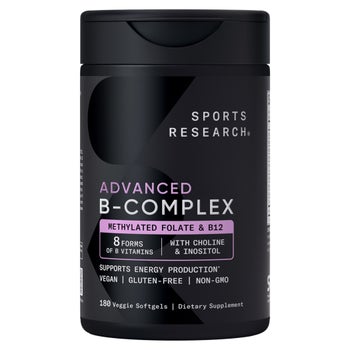
Roughly 30 to 40 percent of the population carries a variant of the MTHFR gene that reduces the body’s ability to convert standard folic acid into the active form, methylfolate. The same enzyme system processes B12 into methylcobalamin and B6 into pyridoxal-5-phosphate. Carriers who supplement with the generic, unmethylated forms in almost every drugstore B-complex may absorb a fraction of what is on the label. Downstream effects include elevated homocysteine, lower mood, brain fog, and a higher pregnancy risk of neural-tube defects. Dr. Casey Means and a growing number of functional-medicine physicians now default to methylated forms across the board.
The practical position: methylated forms are safe for non-carriers and meaningfully better for carriers, so defaulting to a methylated complex covers the bet. Thorne Basic B Complex uses the active forms of folate, B12, and B6 in clinically reasonable doses. Take it in the morning. The wired feeling at bedtime is common and resolves the moment the dose shifts to breakfast.
6. Creatine, five grams a day, for women too
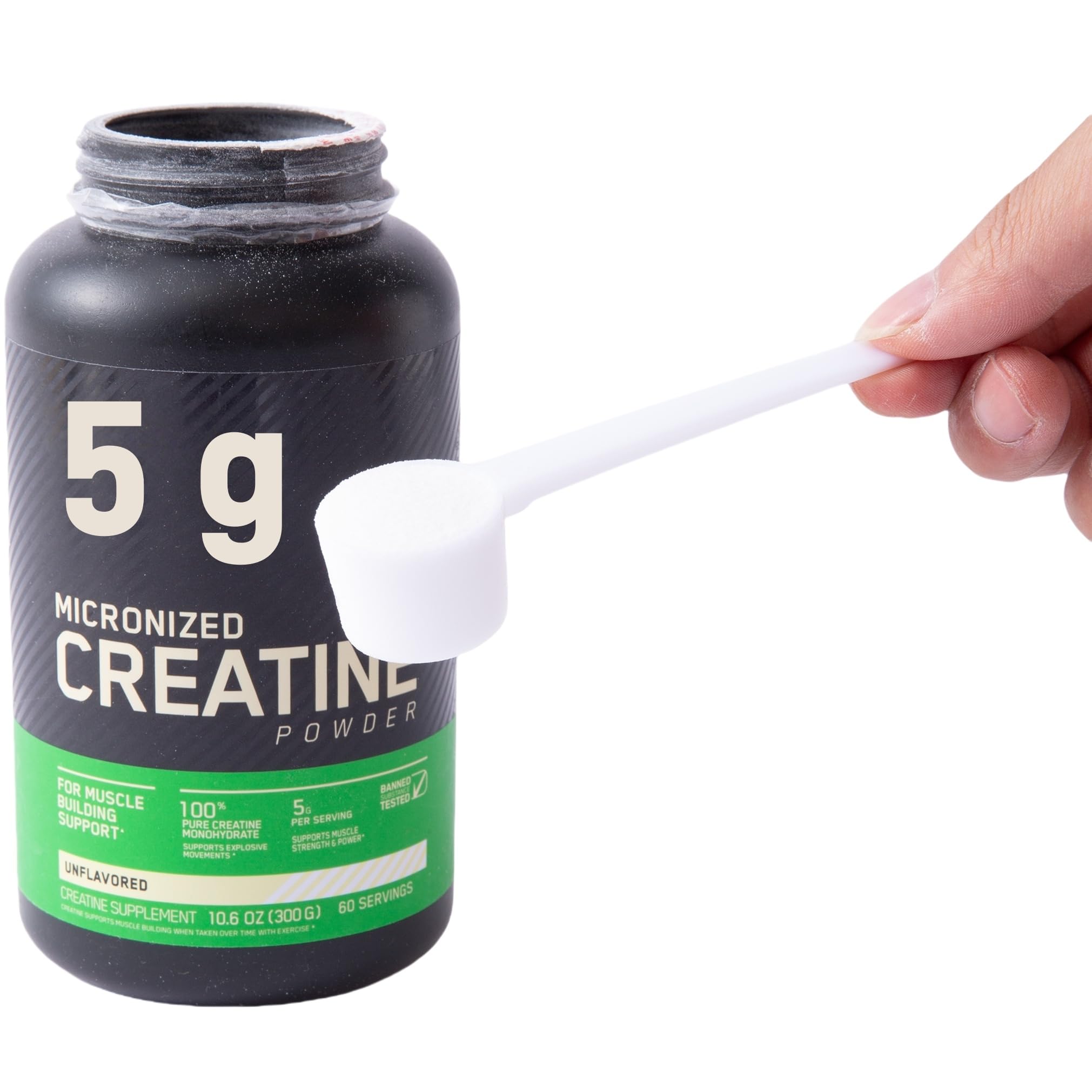
Creatine is the most heavily researched performance supplement in existence, with more than 500 peer-reviewed studies, and for two decades the marketing made it sound like a substance only male bodybuilders should use. The research on women says something different. Five grams of creatine monohydrate per day improves lean muscle, strength, recovery, and, crucially, cognitive function, especially under sleep deprivation, which is the resting state of most mothers and women carrying a high workload.
Dr. Stacy Sims has been one of the loudest voices repositioning creatine as a women’s-health supplement. Her argument is that women have lower baseline creatine stores than men and benefit more, not less, from supplementation. Studies on sleep-deprived adults show meaningful gains in working memory and reaction time. For a perimenopausal woman whose sleep architecture has stopped delivering the deep stages, creatine is closer to a nootropic than a gym supplement.
Monohydrate is the form studied in essentially every trial. Thorne Creatine Monohydrate is third-party tested. Five grams per day, mixed in water or a smoothie. No loading, no cycling. The water-retention concern refers to intramuscular water, which is metabolically active and tied to muscle growth, not bloat.
7. Protein, from food first, then whey if you need it
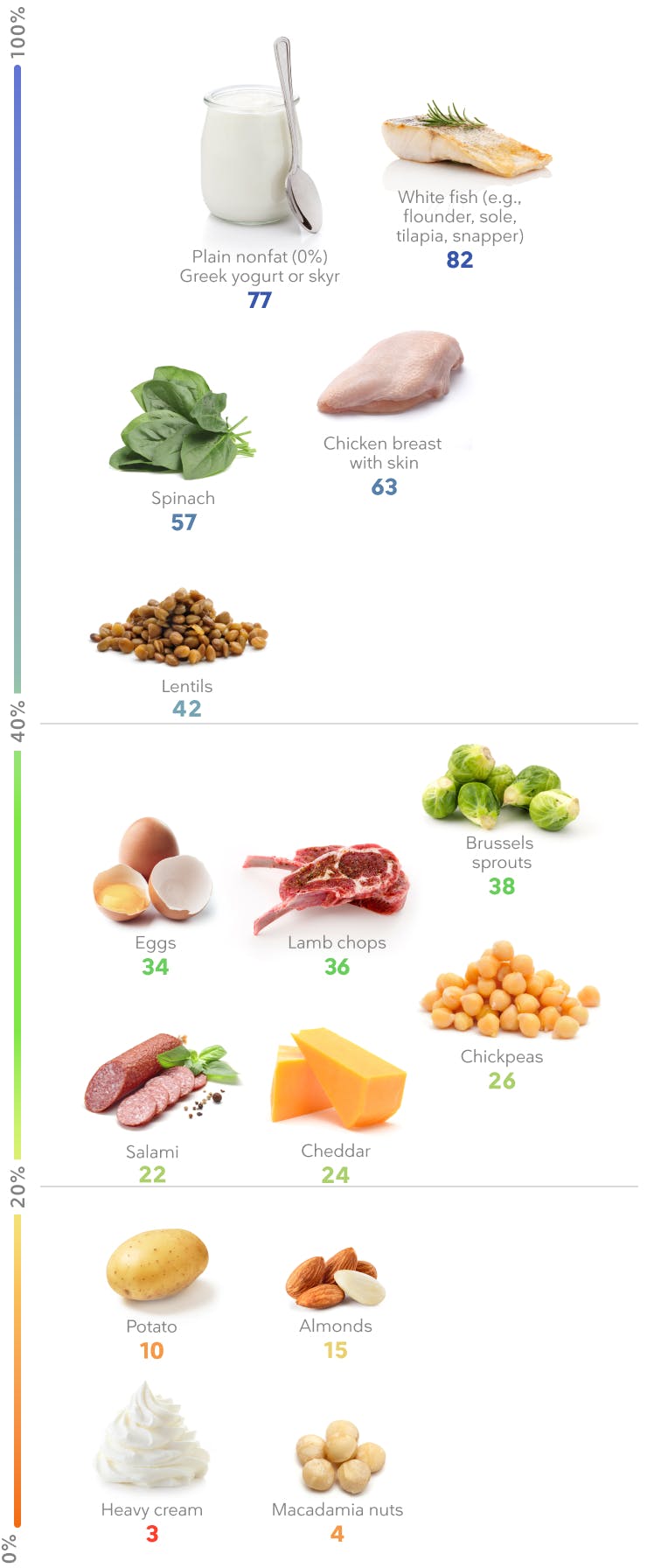
The current evidence on lean-mass maintenance in women over 30 supports an intake of roughly one gram of protein per pound of body weight per day, which for a 150-pound woman is 150 grams. The average American woman in this range eats closer to 60. The gap matters because lean muscle mass is the strongest single predictor of metabolic health and functional independence in the later decades. Dr. Mary Claire Haver and Dr. Stacy Sims have both argued that standard guidance has chronically under-recommended protein, leaving a generation of women dieting their way into sarcopenia.
Food first: eggs, chicken thighs, salmon, Greek yogurt, cottage cheese, lentils, tofu, and ground turkey before any powder. A scoop of whey isolate covers the gap when food cannot. Buy isolate, not concentrate, because the lactose is stripped and absorption is faster. Naked Whey Isolate is clean and additive-free.
8. A real probiotic, with strains that have been studied

Most generic probiotics list “30 billion CFU” on the front of the bottle without naming the actual strains inside, and the strain is what determines whether the product does anything. Lactobacillus rhamnosus GG has the strongest evidence base in women. Lactobacillus reuteri RC-14 and Lactobacillus rhamnosus GR-1, the strain pair developed by Dr. Gregor Reid, have specific evidence for urinary tract and vaginal microbiome health, which becomes a more frequent concern in the perimenopausal years. Dr. Casey Means has written that the meaningful question is not whether to take a probiotic but which one, and the answer comes from the strain table on the back, not the marketing on the front.
Klaire Labs Ther-Biotic Complete lists every strain on the label and is one of the few brands tested for CFU count at expiration rather than manufacture. One caution: a probiotic is not a substitute for fiber. The bacteria you take in capsules cannot colonize a gut starved of the fermentable fiber they feed on.
The skip list: four supplements with weaker evidence than the marketing suggests

Four product categories show up in almost every Instagram “wellness stack” and none carry the evidence the price tag implies. Collagen powder is the first. Studies show modest skin-elasticity gains at doses around 10 grams a day, but the body breaks collagen into the same amino acids it would extract from any complete protein. Hitting your protein target delivers the same building blocks at a fraction of the cost.
Apple cider vinegar gummies are second. The original research was on liquid vinegar’s acetic acid content. The gummies contain too little to replicate the effect, and many brands add sugar that cancels what was left. Anything labeled “detox” is third. The liver and kidneys handle that continuously, and no over-the-counter supplement has been shown to enhance the process in a person with normally functioning organs. Megadose biotin is fourth. The 5,000 to 10,000 mcg doses in “hair, skin, and nails” gummies are far above what the body can use, and the excess interferes with thyroid panels and cardiac troponin assays, causing misdiagnoses every year. Hair loss is almost always tied to ferritin, thyroid, or stress, none of which biotin addresses.
At a glance: who needs what

The foundational stack for a woman in her 30s eating a reasonably varied diet, strength training twice a week, and living above the 37th parallel is vitamin D3 with K2, magnesium glycinate, and omega-3 EPA and DHA. That is the floor. Add creatine if you train hard. Add a methylated B-complex if energy and mood feel off despite the basics. Add iron only if ferritin testing shows you below 30 ng/mL. Add whey if you cannot hit protein targets from food. Add a strain-specific probiotic during or after antibiotics, or if urogenital health is a concern.
How to choose between them if you can only do three

If the budget allows three, the answer for almost every woman in her 30s and 40s is vitamin D3 with K2, magnesium glycinate, and omega-3 EPA and DHA. Those three sit upstream of the systems most likely to show strain in this decade and are the supplements all three of the physicians cited would prioritize first. If the budget allows five, add creatine and a methylated B-complex.
Frequently asked questions
How long until I notice anything? Magnesium glycinate often improves sleep within five to seven nights. Omega-3s take six to eight weeks to shift the body’s fatty-acid ratio measurably. Vitamin D needs three months at the right dose to move blood levels. Iron, if you are deficient, can feel transformative within four to six weeks.
Can I take all of these together? Mostly yes, but timing matters. Iron should not be taken within two hours of calcium, coffee, or tea. Methylated B vitamins are best in the morning. Magnesium is best in the evening. Vitamin D and omega-3s absorb best with a meal containing fat.
What about a prenatal or general multivitamin instead? A high-quality women’s multivitamin is a reasonable shortcut for some B vitamins and trace minerals, but most under-dose vitamin D, contain the unmethylated forms, and skip magnesium entirely. Not wrong, just rarely complete.
How do I know if I have MTHFR? A 23andMe panel reports it in the raw data. The practical answer is that you may not need to know. Methylated B vitamins are safe for non-carriers and better for carriers, so defaulting to the methylated forms covers both cases.
The bottom line: build from bloodwork, not from a podcast
If there is a single pick from the list above, it is vitamin D3 with K2. It sits upstream of bone, mood, immune, and metabolic systems in ways no other single supplement does, deficiency rates in this country are absurd, and the cost of the right dose is under $10 a month. Nordic Naturals Vitamin D3 + K2 , paired with a 25-hydroxyvitamin D blood test at the start and again at six months, is the closest thing to a no-regrets foundation in the supplement aisle.
The broader point is that supplements are a tool, not an identity. The women I know with the most resilient health in this decade are not the ones with the most colorful pill organizers. They are the ones who ran their bloodwork, identified the two or three gaps that actually applied to them, and held the targeted protocol long enough to see results. Everyone else is buying Costco supplements and hoping. The aisle is 84 feet long for a reason. Most of it is not for you.