
I was standing under the elevated subway tracks in Williamsburg in August 2024 - a rooftop wedding, 88 degrees at 6pm, the kind of humidity that wilts a starched collar in eleven minutes. I watched a guest at the bar, size 22, 56 years old, unbutton the cropped cardigan she had brought to “cover her arms” approximately eleven minutes into cocktail hour. She did not take it off. She left it draped over her shoulders like a costume she could not commit to and could not abandon. Three hours later, on the dance floor, the cardigan was still there, soaked through at the back. She kept tugging it down across her upper arms between songs. She left before the band’s second set.
I have dressed plus-size guests at sixty-plus weddings across eight years of editing fashion. I have heard the same sentence in thirty different voices: “I just want something with sleeves.” What that sentence actually means, almost every time, is “I want to not think about my arms at this wedding and I do not want to overheat.” Those two requests sound contradictory. They are not. Most women in plus-size bodies who want sleeves end up improvising with cover-ups that betray them - cardigans that hold humidity against the body, kimonos that slide off the shoulder during the first slow song, shawls that have to be re-draped every twenty minutes. The improvisation is not the problem. The premise is. Sleeves and ventilation are not opposites. They are an engineering problem with real solutions, and the solutions live in fabric weight, sleeve construction, and the relationship between the two.
The arm-coverage anxiety - where it actually comes from
Almost no one wants sleeves for modesty. The women who tell me they want sleeves are not religiously covered, they are not at conservative venues, they are not under a dress code that requires it. The reason is almost always photographs. Specifically, the photographs from the last wedding - the candid shot the photographer caught while she was reaching across the table, the one where her upper arm caught the flash at an angle that read flatter and wider than the mirror at home had ever shown. That photograph lives in her camera roll. She does not want to add to the collection. Sleeves are not a moral question for her, they are an image-management question, and the management has to survive a six-hour event in July or August in a body that runs warmer than a size 8 body for basic surface-area reasons.
The second source is the lifted-arm problem. A sleeveless dress at size 22 reveals a different amount of upper arm when the arm is at the side than when it is lifted to hug a friend, lift a glass, or take a group photo. The fabric of a sleeveless armhole does not move with the arm - the arm moves out from under it. Sleeves solve this not by hiding the arm but by traveling with it. The right sleeve construction allows the arm to lift, reach, and dance without the dress shifting at the shoulder or the bust seam pulling visibly. The wrong sleeve construction - typically a tight set-in cap on a non-stretch fabric - turns every arm lift into a small physical calculation.
Fabric versus construction - the difference that decides everything
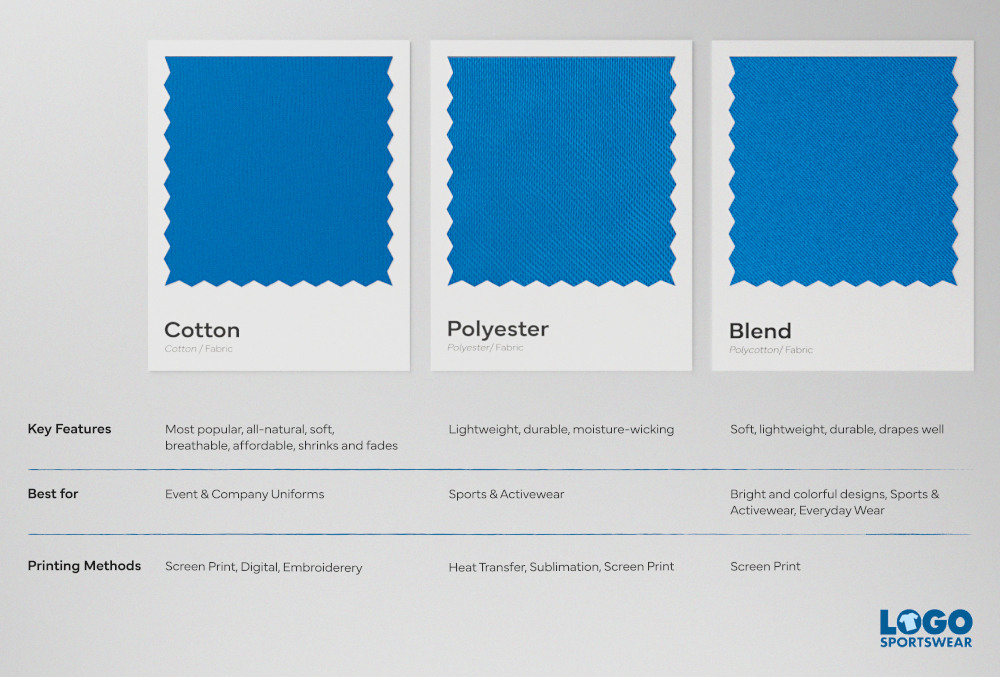
The first lesson I teach in fittings: silk crepe with a flutter sleeve breathes. Polyester jersey with a set-in sleeve does not. Same dress code, same sleeve length in centimeters, completely opposite outcomes on a 90-degree day.
Fabric weight matters more than fiber content for sleeve dresses in summer, but the two interact. Silk crepe at 14 to 16 momme (the weight measure that actually matters for crepe) breathes because the natural fiber pulls humidity off the skin and releases it into the air. The same crepe in polyester traps the humidity against the body because synthetic fibers do not transfer moisture the way silk and cotton do. A heavier silk - 19 momme - will hold heat. A 14 momme silk crepe in a flutter sleeve construction is genuinely cool to wear at 90 degrees because the fabric itself is light, the fiber breathes, and the sleeve does not seal the armhole.
Construction matters as much. A flutter sleeve is not just “a short loose sleeve.” It is a sleeve that floats away from the body at the armhole and at the hem of the sleeve, leaving the armpit area open to air. A bell sleeve flares from the elbow but seals the upper arm. A dolman cuts in one piece with the bodice, no shoulder seam at all, which means the underarm has full air circulation but the silhouette reads softer than a set-in sleeve. A cap sleeve covers the deltoid only and stops before the upper arm proper - it provides shoulder coverage and photograph-friendly framing without warming the inner arm where heat actually accumulates. A semi-sheer mesh sleeve covers the arm visually but allows air through the fabric itself.
The combination is what works. Silk crepe with a flutter sleeve is the gold standard. Polyester crepe with a flutter sleeve is the workable compromise. Polyester jersey with a set-in three-quarter sleeve, no matter how “breathable” the brand marketing claims, will be hot. I have tested this on my own body in real weddings, and I have tested it on twenty other plus-size guests across the last three summer seasons.
The five sleeve types that actually work in summer
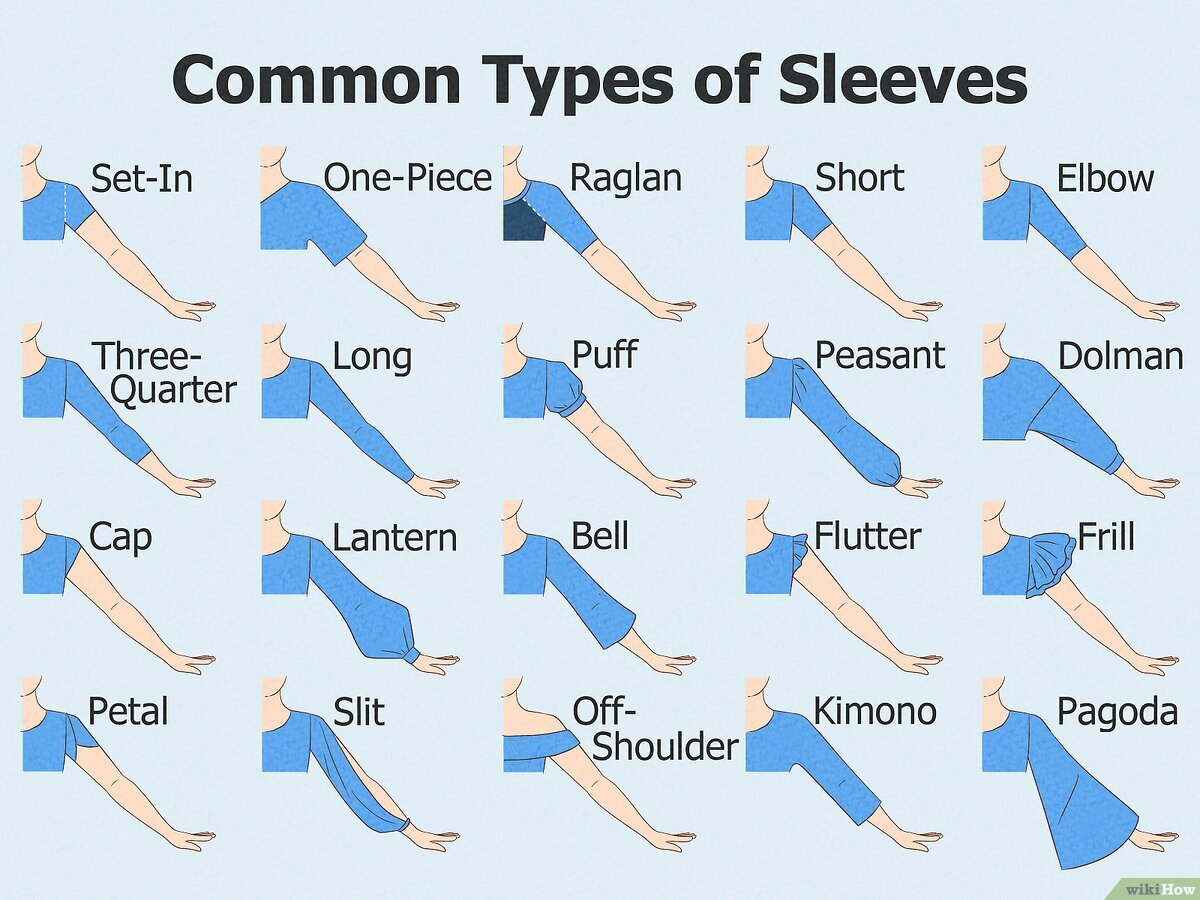
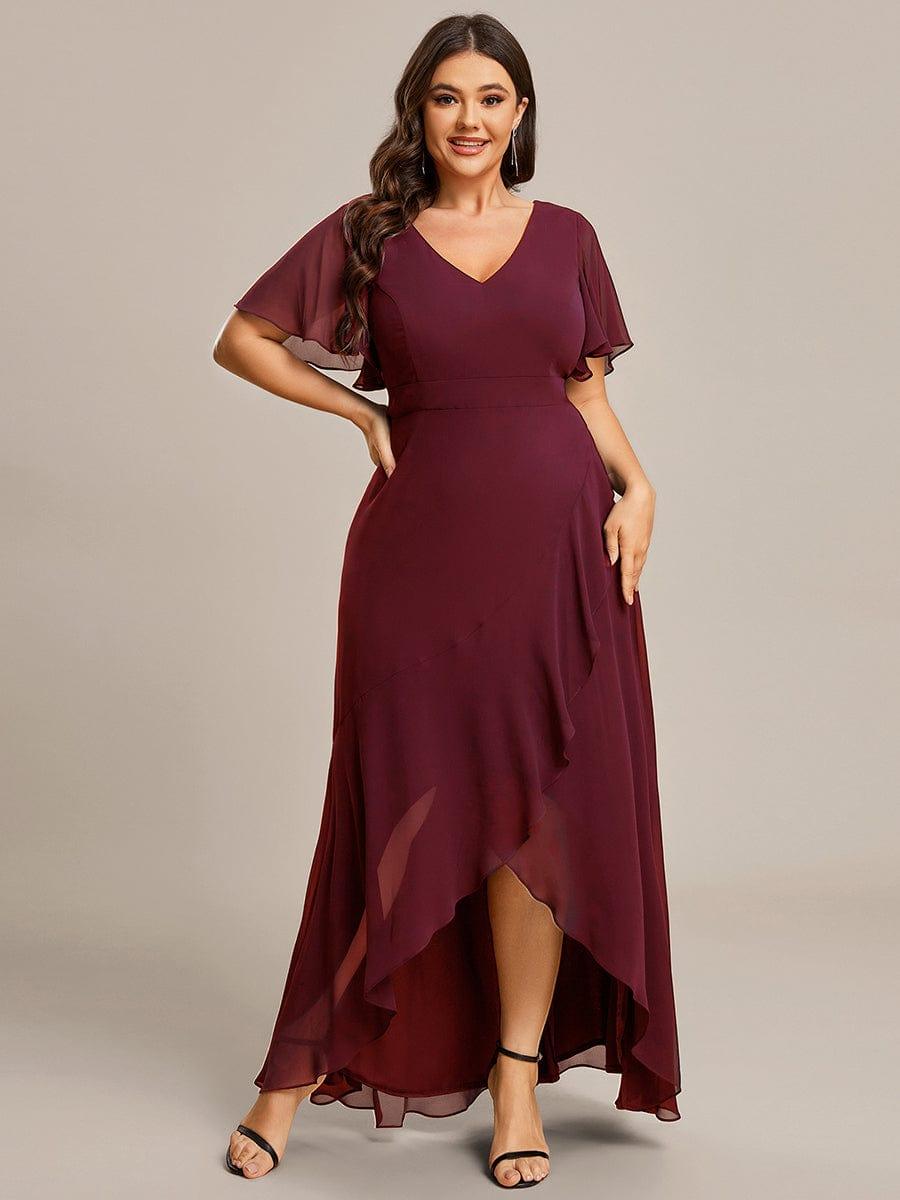
Flutter sleeve. A short, floaty sleeve that drapes from the shoulder line and falls open at the underside. The signature is the open armhole - the fabric falls away from the inner arm rather than wrapping it. Flutter sleeves work because they provide visual arm coverage from the front view (which is the photograph view) without sealing the armpit area to body heat. They photograph beautifully because the fabric movement adds shape to the upper bust line without padding it.
Bell sleeve. A sleeve fitted at the shoulder and upper arm that flares from the elbow. The flare gives ventilation at the lower arm and provides a romantic, occasion-feeling silhouette that reads dressier than a flutter. The trade-off is that the upper arm is fully enclosed, so the fabric weight has to be light - bell sleeves in heavy crepe or thick jersey will be hot. In silk crepe or a 95% polyester crepe with 5% spandex at light weight, a bell sleeve handles a summer wedding well if the venue has air movement.
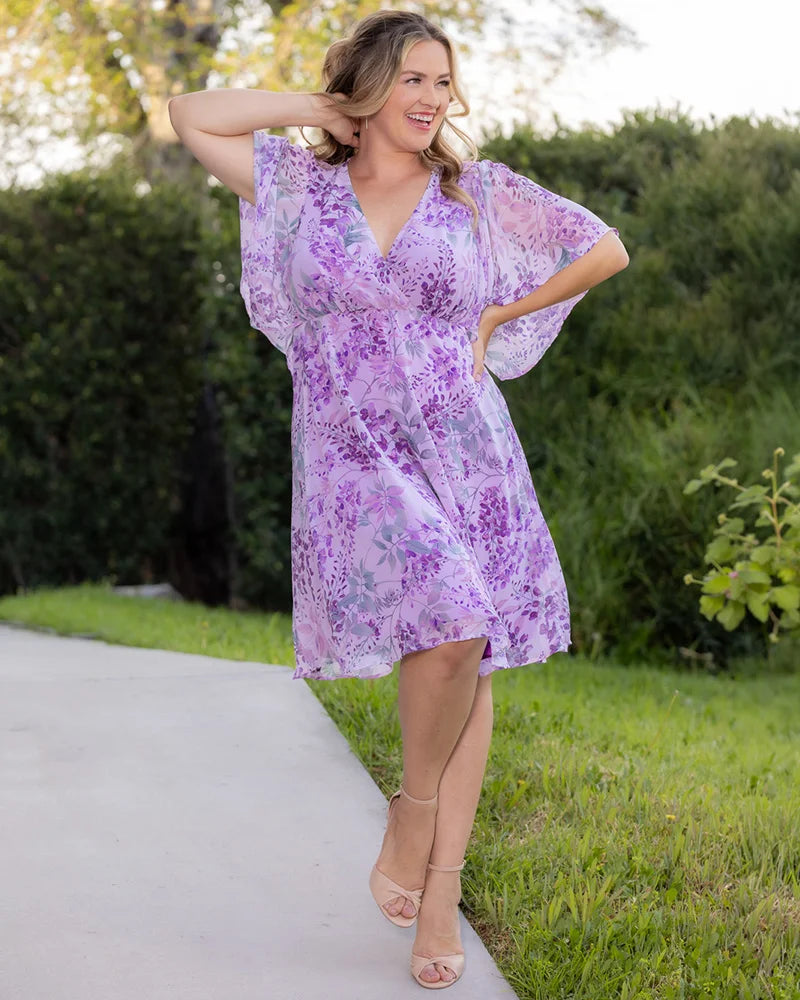
Butterfly sleeve. Wider and longer than a flutter, a butterfly sleeve drapes from the shoulder past the elbow and creates wing-like fabric movement when the arm lifts. The construction is generous - more fabric than a flutter - which means it covers more arm visually and provides more occasion drama. The same ventilation principle applies because the armhole stays open. Butterfly sleeves photograph extraordinarily well on plus bodies because the fabric scale reads proportionate to the body. They are my single favorite sleeve type for plus-size summer weddings.
Dolman sleeve. A sleeve cut in one piece with the bodice, with no shoulder seam separating the two. The result is a soft, draped sleeve that falls naturally from the body without the structured set-in shape. Dolmans run cool because the underarm has the full bodice fabric instead of a sealed seam, and the sleeve can range from short (a small cap-like effect) to three-quarter. The challenge with dolmans on plus bodies is that the underarm fabric can pool if the dress is cut without enough taper - look for a dolman with a defined waist or a wrap front to avoid the volume reading as bulk.
Semi-sheer mesh sleeve. A sleeve constructed from sheer mesh, lace, or fine netting that visually covers the arm while letting air through the fabric itself. Mesh sleeves are the secret weapon for guests who want full-length sleeve coverage at a summer wedding - they read as long-sleeve from across the room but breathe as if there were no sleeve at all. The fabric quality matters enormously here. Cheap polyester mesh in a heavy weave will be hot and will look plasticky. Look for fine net mesh, illusion tulle, or beaded mesh where the construction is fine and the texture has visible openness.
Ten specific dresses with sleeve construction, fabric, and climate verdict

The constraint for every dress on this list: it must run to at least size 22, the strongest picks run through 28 to 32, and the sleeve has to do real work in summer or transitional weather.
1. An Eloquii asymmetric flutter-sleeve maxi - around $165-$210, sized through 28. The sleeve is a true flutter, a single shoulder draping into a floor-length cascade, the other shoulder fully bare. The asymmetry does double duty - it provides arm coverage on one side for the photograph view while keeping ventilation maximal on the other. The fabric is 100% polyester crepe with a polyester slip lining, lightweight at approximately 140 grams per square meter. The hardware is a hidden side zip with no waist seam. Dress code range: cocktail through black-tie optional. Climate verdict: works for indoor air-conditioned receptions and outdoor venues with shade. Avoid full sun ceremonies at 90-plus degrees - the polyester crepe will not breathe the way silk would.
2. An ASOS Curve twist-front midi with mesh sleeves - around $80-$120, sized through 32. The sleeves are semi-sheer mesh in a fine net weave, full-length to the wrist, set into a sleeveless bodice so the mesh does the visual coverage work without trapping heat at the shoulder. The bodice is 95% polyester, 5% elastane stretch satin with a twist-front detail at the waist. The mesh weight runs light and the weave is open enough that wind moves through it. Hardware is pull-on overhead, no zip. Dress code range: cocktail and semi-formal. Climate verdict: this is the dress for guests who want full arm coverage at a hot wedding. The mesh reads as a complete long sleeve in photographs but breathes like a sleeveless. Avoid black or navy mesh in direct sun - the dark color absorbs heat. Stick to ivory, blush, or sage.
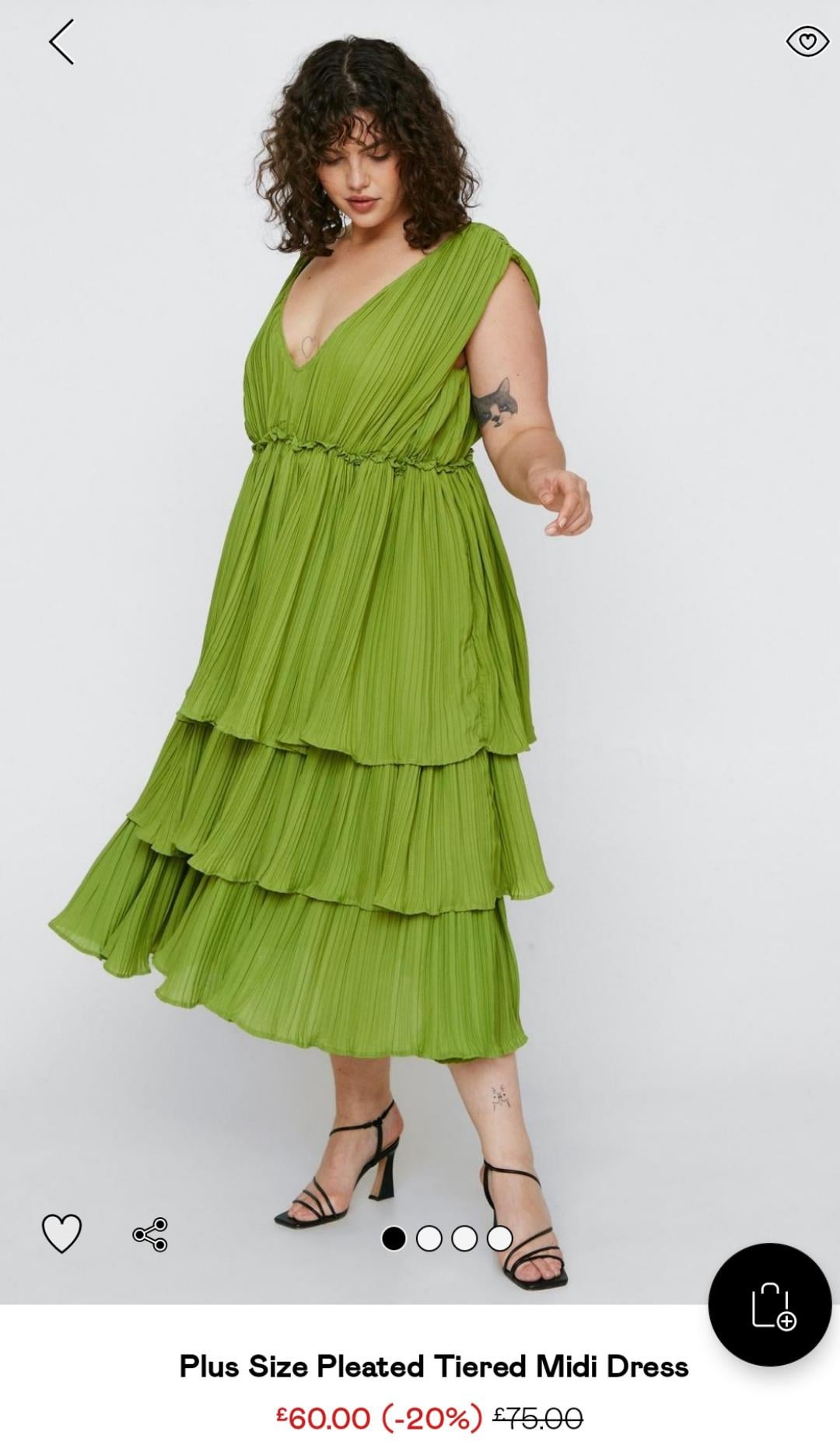
3. An Anthropologie Maeve plus tiered midi with bell sleeves - around $180-$220, sized through 26W. The sleeves are three-quarter bell, fitted at the shoulder and upper arm and flaring from the elbow into a wide cuff. The construction is set-in but the fabric is lightweight viscose crepe at approximately 110 grams per square meter, which is the lowest fabric weight I would recommend for a bell sleeve in summer. The body is 100% viscose with a fully-lined bodice. Hardware is a hidden back zip with a fabric tie-belt at the waist. Dress code range: cocktail, garden party, semi-formal. Climate verdict: indoor and shaded outdoor weddings only. The viscose breathes well but the bell sleeve seals the upper arm - if you sit between an air-conditioned ceremony and a tented reception, this is your dress. If the entire wedding is outdoor in full sun, choose a flutter instead.
4. A Lulus Curve flutter-sleeve midi - around $78-$98, sized through 3X. The sleeves are a short flutter, draped from the shoulder and falling to mid-upper-arm with a generous open underside. The fabric is 100% polyester woven crepe with a partial lining at the bust. The price point reflects the polyester construction - this is not silk crepe and will not breathe like one. Hardware is a hidden back zip and a self-tie waist. Dress code range: cocktail, semi-formal, garden party. Climate verdict: workable for indoor receptions and transitional weather, May or September weddings. In peak July or August heat at an outdoor venue, the polyester base will trap humidity even with the flutter sleeve doing ventilation work. Choose lighter colors and budget for a slip layer to prevent cling.
5. A Torrid Studio crepe-de-chine dolman in their dressier seasonal release - around $130, sized through size 6 (approximately a 28-30). The sleeves are short dolman, cut in one piece with the bodice, no shoulder seam. The fabric is Torrid’s polyester crepe de chine, a lighter-weight crepe at approximately 105 grams per square meter, with a polyester slip lining at the bodice only. Hardware is pull-on overhead with a self-tie waist. Dress code range: cocktail, semi-formal, garden party, beach formal. Climate verdict: this is one of the most heat-friendly plus-size sleeve dresses on the market because the dolman construction leaves the underarm fully ventilated and the crepe de chine is lighter than standard polyester crepe. Indoor or outdoor, this dress holds up in real summer heat. The only caution is the dolman volume at the underarm - size down half a size if you sit between sizes to avoid the fabric pooling.
6. An Adrianna Papell plus beaded cap-sleeve cocktail - around $180-$230, sized through 24W. The sleeves are cap, beaded mesh covering the deltoid and ending at the shoulder line. The cap construction is the secret to this dress - it provides shoulder coverage for the photograph view without warming the upper arm itself. The body is a polyester crepe slip with hand-applied beaded mesh overlay across the bodice and sleeves. Hardware is a hidden back zip. Dress code range: cocktail through black-tie optional. Climate verdict: indoor receptions year-round, including peak summer weddings in air-conditioned venues. The beaded overlay is heavier than a plain crepe so an outdoor ceremony in full sun will warm this dress quickly. Reserve it for ballroom and indoor banquet venues.
7. An 11 Honoré silk caftan-style dress - around $300-$500, sizing through 22 or 24.
11 Honoré’s plus-size luxury collection now sits inside Dia & Co since the April 2024 acquisition, and the caftan and kimono-sleeve silhouettes are where the silk crepe really shows up. Look for the wide kimono dolman cut, sleeves flowing from the shoulder into a generous bell at the elbow with no set-in seam. The fabric to ask for is silk crepe at 14 to 16 momme, fully lined at the bodice with an unlined skirt. This is the silk crepe benchmark for plus-size summer dressing. Hardware on most styles is a hidden side zip with an internal cinch tie at the waist. Dress code range: black-tie optional, cocktail, garden party, semi-formal. Climate verdict: optimal for outdoor summer weddings including full-sun ceremonies. The silk content does breathing work the polyester crepes can’t match. Price reflects the fabric. The cost-per-wear math is favorable if you attend two or more summer weddings a year.
8. An Aidan Mattox beaded flutter at Saks or Saks OFF 5TH - around $200-$350, sized through 16 or 18.
Aidan Mattox lives on Saks Fifth Avenue and Saks OFF 5TH and the beaded mesh flutter is one of their signatures. The sleeves to look for are flutter constructed in beaded mesh, layered over a sleeveless silk-blend slip bodice. The mesh extends past the shoulder into a soft flutter that reads as both shoulder coverage and upper arm framing without sealing the arm. Hardware is a hidden back zip. Note Aidan Mattox sizing tops out below true plus on most styles, so check the size run before falling in love. Dress code range: cocktail, black-tie optional, formal. Climate verdict: indoor receptions in peak summer, outdoor receptions in shade. The silk slip handles heat better than full polyester construction. The beaded mesh sleeve provides full visual arm coverage while staying open at the underside.
9. Universal Standard sleeveless dress with a thrown-on wrap - around $148, sized through 40.
Universal Standard sizes 00 to 40 across its range, and its Fit Liberty program lets you swap for a new size within a year. The smartest summer move from their catalog isn’t a built-in-sleeve dress at all. It’s their sleeveless square-neck or v-neck silhouette in a lighter-weight stretch fabric paired with a thin silk crepe wrap you bring in your tote. The wrap drapes for the ceremony, slips off for cocktail hour, and never seals heat at the armhole. Hardware is pull-on overhead. Dress code range: cocktail, semi-formal, beach formal, garden party. Climate verdict: the layering choice is what makes this the smartest setup on this list for a guest who’s genuinely worried about overheating. Choose ivory, sage, or rose for hot weddings, save the darker colors for fall.
10. A TENCEL Lyocell midi or maxi with a butterfly sleeve - the fabric matters more than the brand.
TENCEL is the dark-horse summer fabric. It breathes like cotton, drapes like silk, and resists wrinkles in a way both don’t. A butterfly sleeve drapes generously from the shoulder past the elbow with no underarm seam closure, so the armhole stays open. At a fabric weight around 100 grams per square meter the cloth itself is genuinely cool. Look at TENCEL or Lyocell-rich pieces from brands with real extended sizing (Anthropologie’s plus assortment, Lane Bryant, Eloquii) rather than reaching for a Reformation extended-size piece, since Reformation’s plus range remains narrow and the wrap and butterfly silhouettes in particular gap badly past a 1X. Dress code range: cocktail, garden party, casual elegant. Climate verdict: outdoor and indoor weddings, full sun or shade. The butterfly sleeve is generous enough to provide real arm coverage in photographs without trapping heat.
Indoor versus outdoor - the split that changes the dress
The single most useful question I ask a guest at the start of a fitting: where is the ceremony, and where is the reception? An indoor ceremony followed by an outdoor cocktail hour followed by an indoor reception is a completely different climate problem than an all-outdoor wedding with a tented reception. The dress has to handle the longest stretch outdoors, not the average.
For all-indoor weddings in air-conditioned venues, fabric weight matters less and sleeve construction can be more enclosed. A bell sleeve in viscose crepe, a beaded cap sleeve in polyester, or a cinched-waist dress with three-quarter sleeves all work because the climate is controlled. Choose the dress code first, the sleeve second.
For mixed indoor-outdoor weddings, choose the dress based on the outdoor stretch. If cocktail hour is outdoor for 90 minutes, your dress has to be wearable at outdoor temperature without a layer. Silk crepe with flutter, butterfly, or wide kimono sleeves wins this category. Polyester crepe with flutter sleeves is the workable compromise at a lower price.
For all-outdoor weddings in summer heat, the fabric content has to do the work. Silk crepe, TENCEL, cotton voile, or linen with a flutter, butterfly, dolman, or semi-sheer mesh sleeve are the only constructions I trust. Polyester anything will hold humidity against the body at outdoor temperature. The mesh sleeve construction is the dark horse here - a fine net mesh sleeve over a sleeveless silk or TENCEL bodice provides visual coverage without warming the body.
What to layer with - and what not to
The single largest mistake I see plus-size guests make at summer weddings: bringing a cardigan or a kimono as an “insurance layer” for the arms. This is the trap the Brooklyn rooftop guest fell into. Once the cardigan is on, it cannot come off without exposing the arms she is trying to cover, and once it is on outdoors in August, she will overheat. The cover-up becomes a wearable contradiction.
The fix is to choose a dress with sleeves you trust and to skip the cover-up entirely. If you genuinely need a layering option for an over-air-conditioned ceremony venue, choose a wrap rather than a cardigan. A silk crepe wrap or a fine wool wrap drapes across the shoulders for the ceremony and slips off easily for cocktail hour without leaving you with bare arms - because the dress you chose already covers the arms.
A second mistake: a sheer mesh bolero or capelet over a sleeveless dress. The bolero adds a layer at the shoulder, where heat collects, without doing real visual coverage work because mesh boleros tend to bunch and shift at the upper back across the night. They photograph awkwardly because the bolero creates a horizontal line across the chest that flattens the natural diagonal of the bodice. If you want mesh sleeves, buy a dress with mesh sleeves built in. The construction will be cleaner and the fit will be more reliable.
What does work: a long silk crepe scarf in a complementary color, kept in a clutch and draped only if a venue is unexpectedly cold. A pashmina works for fall transitional weddings, never for summer. Statement earrings that draw the eye up to the face rather than across to the arms. Hair worn down or to one side rather than fully up - hair frames the upper body and softens the visual arm line in photographs in a way an updo cannot.
The argument the cardigan misses
The guest under the elevated tracks in August had brought the cardigan because she had been taught that “covering your arms” was about modesty or about hiding. It is not. The right sleeve is not a cover-up. It is part of the dress. It travels with the arm when you lift your glass, hug your friend at the ceremony exit, or raise both hands during the band’s last set. It does not get warmer the longer the night goes. It does not have to be tugged down or re-draped. It does not require a calculation every time you reach for a canape or wave across the room.
Covering your arms at a wedding is not a modesty question. It is a comfort question, a photograph question, and a freedom-of-movement question. The right sleeve is the one you forget about three minutes after the ceremony starts. It is short or it is long or it is somewhere in between. It is silk crepe with a flutter that falls open at the underside, or it is TENCEL with a butterfly that drapes past the elbow, or it is a fine mesh that reads as full coverage but breathes like nothing is there. It is the sleeve that does not announce itself, does not require the cardigan, and does not leave at the second set of the band.