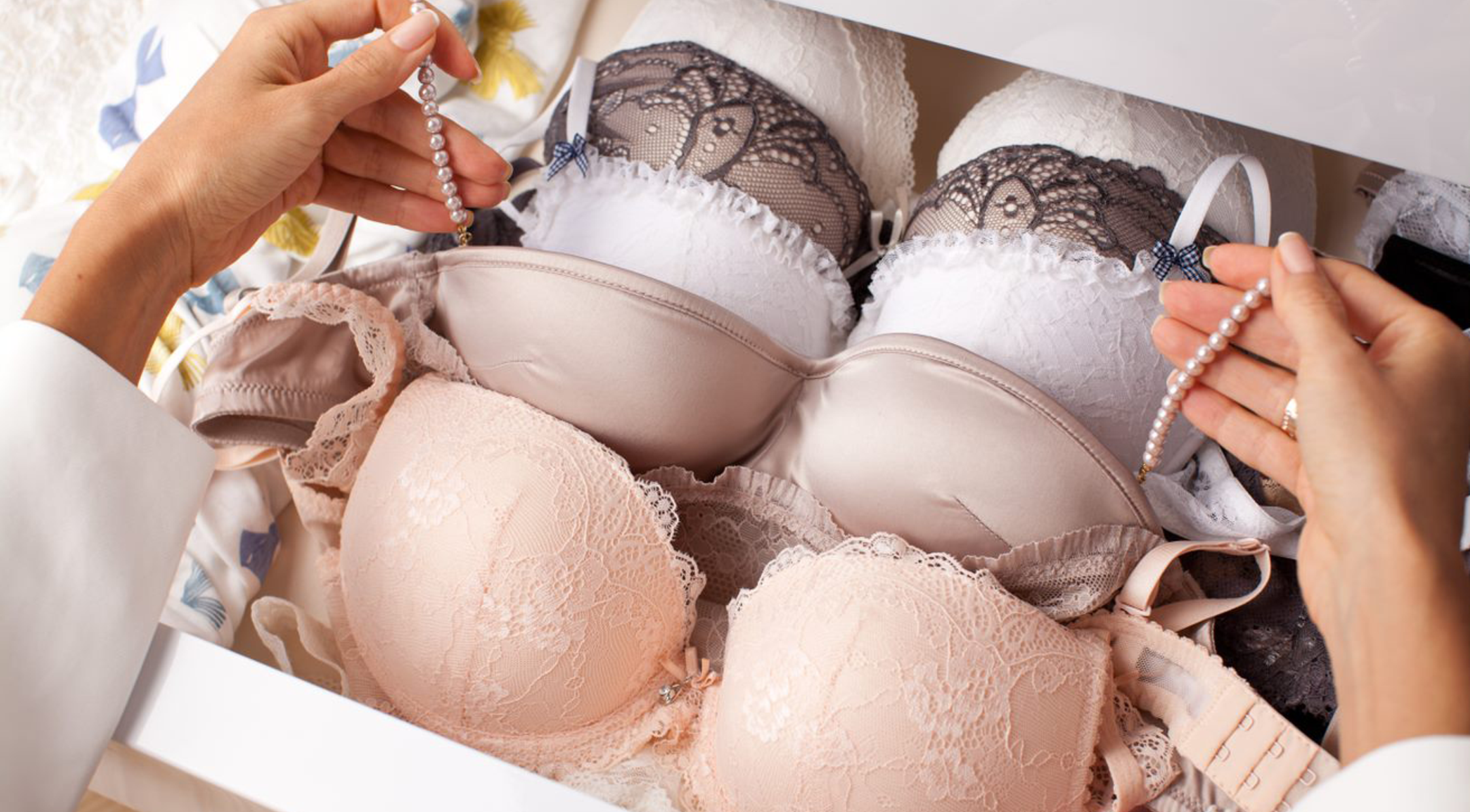
On a Friday in October, at 5:47 pm in my Crown Heights apartment, I had fourteen minutes before I needed to be on the F train to meet a man I had been texting for two weeks at a wine bar in the West Village. I had known about this date for nine days. I had also, somehow, not picked an outfit. The closet was open. The dresses on the left looked like job interviews. The dresses on the right looked like weddings. The jeans were unwashed in the corner. My hair was done. My makeup was done. And I was standing in a black bra and the wrong shapewear, holding a hanger with a sweater I had already decided was not the move, with my phone buzzing the F-train alert from Citymapper. I cried for forty seconds. I put on the third thing I touched. I was eleven minutes late.
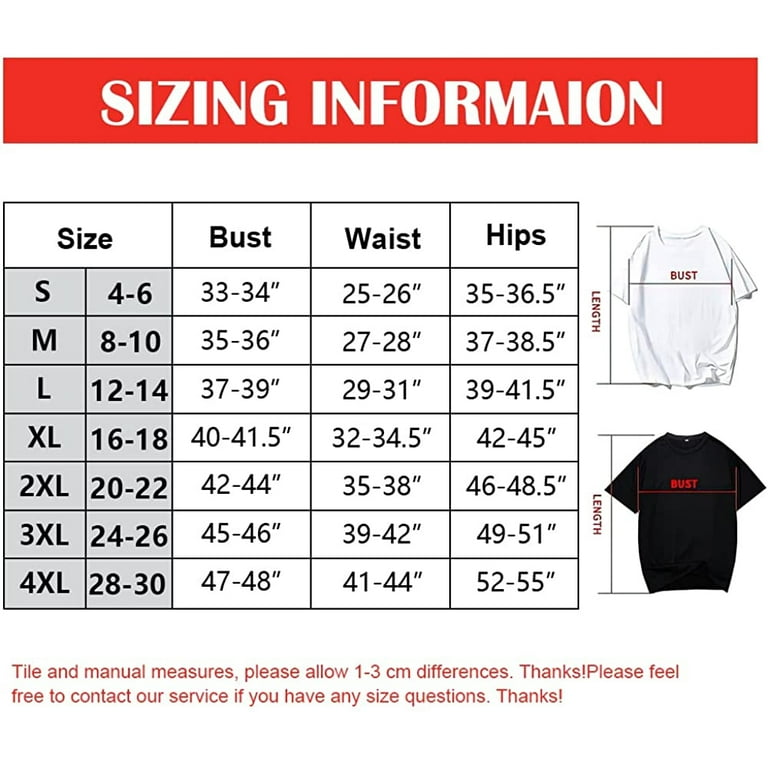
That was the night I built the date-night drawer. Not the next day, not the next week, the next morning at 9 am with coffee, the bedroom door closed, and a kitchen timer on. The premise was simple. I was a working fashion editor in New York, size 16 to 18 depending on the cut. I had been on enough dates to know there are five shapes a date-night outfit takes. I was going to pre-decide all five, hang them in one section of the closet, and never have a Friday 5:47 pm again. This guide is what came out of that morning, refined across two years and more dates than I will admit to my mother.
The Friday 5:47 pm problem (and the date-night drawer solution)
The Friday 5:47 pm problem is not really about clothes. It is about decision fatigue colliding with body insecurity at the exact moment you have the least time and the most adrenaline. A plus-size woman getting ready for a date is solving four problems at once: does this fit my body today, does it suit the venue, does it match the level of effort I want to telegraph, and does it not feel like a costume. By 5:47 pm on a Friday, after a full workweek, your prefrontal cortex is not built for that. Mine sure was not.
The date-night drawer fixes the timing, not the body. It moves the decision from 5:47 pm Friday, when you are panicking, to 10 am Saturday, when you are calm and full of toast. Allison Bornstein, the stylist whose 3-Word Method anchors her book Wear It Well, has spent her career arguing that a capsule wardrobe is not about owning less. It is about pre-deciding more. She builds occasion-specific micro-capsules for clients exactly so that no one has to make a creative decision at 5:47 pm on a Friday. The date-night drawer is that thinking applied to one occasion, one body, and one closet.
Karla Welch, the stylist who has dressed Tracee Ellis Ross and Olivia Wilde across years of red carpets and press tours, works on the same principle. You do not style for an event the day of an event. You build a wardrobe of pre-vetted looks that are always at the front of the closet, and when an event lands on the calendar you pick from the menu. For her A-list clients that menu lives in a warehouse with a fit assistant. For us it lives in a drawer or a six-hanger zone of the closet we can see in one glance.
The math of the drawer is five. One column dress for first dates. One dressed-up separate, so a skirt and a knit, or trousers and a satin top. One elevated jeans look. One cocktail option for the dressier evening. One bad-weather backup that solves rain, snow, or 92-degree humidity. Five looks, five hangers, one shelf for shoes and bag. That is the entire system. Add a second dress when you have it figured out. Do not start with more.
Five is the right number because it covers the four venues you will actually be invited to - the wine bar, the dinner, the cocktail event, the casual day-date - plus a wild card for weather. Five is also the most a person can mentally hold as “available options” without falling back into the original paralysis. Pick six and you are back in the drawer for fourteen minutes.
Phase 1: the audit (which 5 outfits would you actually wear)
Before you buy a single new piece, audit what you already own. The mistake almost every Pinterest date-night guide makes is to start with a shopping list. Your closet has receipts. It is more likely to know what works than a stranger writing a listicle.
The method takes one Saturday morning and a long mirror. Pull every dress you have ever worn on a date, every skirt-and-knit combo, every pair of jeans you have ever worn out at night, and every cocktail-adjacent piece. Pile them on the bed. Now try them on. Not all at once, not as outfits yet. One garment at a time, ten seconds in the mirror, ask one question: would I leave the house in this tonight, with this body, at this age. If yes, it goes to the right side of the bed. If no, it goes to the left.
The right side is your starter inventory. Almost every plus-size woman I know finds three or four pieces here that she had completely forgotten she owned. The black Eloquii dress from a 2023 holiday party that still fits. The Madewell wide-leg jeans she stopped wearing because she switched jobs to remote. The thrifted velvet skirt that is genuinely incredible on her. Those pieces seed the drawer for free.
The left side is information, not failure. Look at the rejected pile and write down the reasons next to the garment in a notes app. “Too short for a sit-down dinner.” “Bust gaps at button three.” “The fabric pills under the arm where my bag rubs.” Those notes are your shopping criteria. When you go to fill the drawer, you are buying against this list, not against a Pinterest grid.
Now pretend to assemble the five. Lay the pieces out in five rows on the bed: column dress, dressed-up separate, elevated jeans, cocktail, bad-weather backup. The gaps are the shopping list. Most plus-size closets I have helped audit are missing the column dress and the bad-weather backup. They are full of cocktail dresses and short skirts that read better at 26 than 32, and short on the workhorse pieces that quietly do the most. Honest gap analysis here saves you four hundred dollars in impulse buys.
Phase 2: building the drawer (storage, hangers, dust bags)
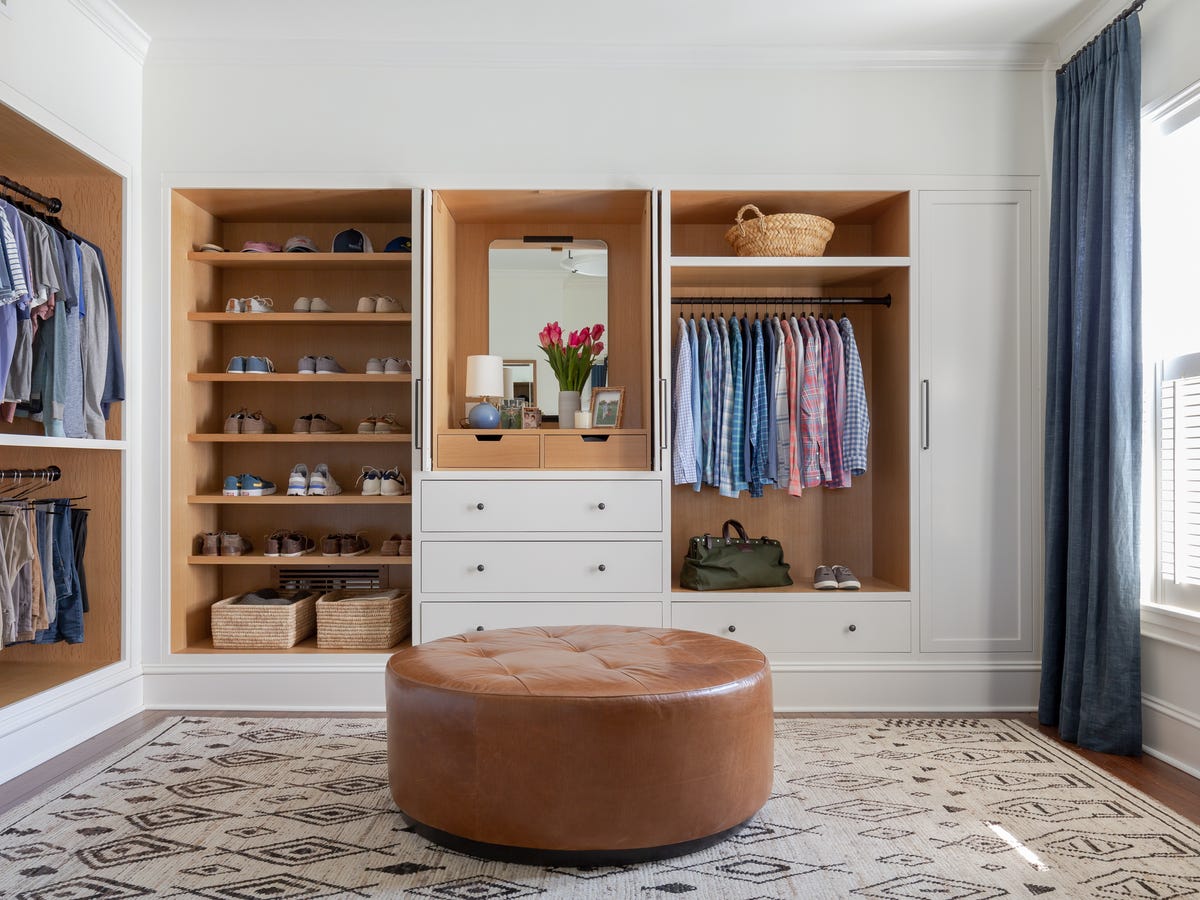
The drawer is a physical zone of the closet. It is not metaphorical. The whole point is that you can see five looks in one glance, in less than ten seconds, and pull one without thinking. If the five looks are scattered across the closet between work blazers and a winter coat, the system fails.
Pick the zone first. Most closets have a section of rod between thirty and forty inches wide that is at eye level when you stand in front of it. That is your drawer. Move your work clothes to the left, your weekend casual to the right, and clear the center for the five looks. If you have a shelf above that rod, that is for the bag and shoes. If you have a small drawer adjacent to it, that is for the jewelry. The whole zone should not exceed four feet of closet linear space.
Use velvet hangers, not wood, not wire. Velvet keeps satin and silk separates from sliding off the hanger and pooling on the floor at 5:47 pm, which is its own special trauma. The Container Store’s velvet hangers are about a dollar each in a forty-eight pack, and a slim hanger lets you fit five hangers in the small zone you cleared. Wide wooden hangers eat the real estate.
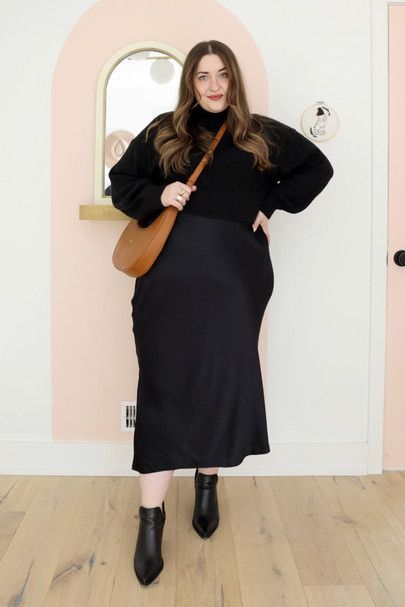
Hang each look together. The dressed-up separate is hung as a set: trousers folded over the hanger bar, satin top on the same hanger, draped. The cocktail dress hangs alone. The column dress hangs alone. The elevated jeans get their own hanger with a clip-bottom hanger holding the jeans and a regular hanger above for the silk camisole. The weather backup is the rain or snow piece plus whatever goes under it. Every hanger is a complete outfit ready to grab.
Use a dust bag for the cocktail piece if it is silk, velvet, or satin. Eloquii sometimes ships dresses in a black branded bag with a drawstring. Save those. Cuyana sells nicer cotton dust bags for about twelve dollars each if you want the closet to look like a magazine, but a pillowcase works for the unseen pieces.
Steam the drawer pieces in advance, not the day of the date. A Conair handheld steamer is forty dollars and lives on the floor of the closet. On the Sunday maintenance cycle, which I will get to, you steam any look that came back wrinkled. The whole point of the drawer is that on Friday at 5:47 pm, nothing in it needs a single touch.
Dress option: the column dress for first dates
The column dress is the most-worn piece in the drawer. A column dress is a long, lean silhouette that skims rather than clings, in a single dark color, with a neckline that is not strapless. It is the dress that solves the dinner-with-someone-you-just-met problem because it reads as effort without reading as a wedding guest. It is intentional, it is flattering at any size, and it does not require a single styling decision once you put it on.
My recommendation is a long, lean ponte column from Universal Standard. The brand cycles a few similar silhouettes through its dress rotation, and the relevant cut is the ponte with a deep but not vulgar V-neck, three-quarter sleeves, and a slight A-line that hits between the calf and the ankle. Ponte does not cling, does not pill, and survives a sit-down dinner without bunching at the waist. Universal Standard sizes up to a 40 across most dress styles, and the cuts in this category are restocked across seasons, which matters because if you love yours, you will eventually want a second.
A second column option is an Eloquii faux-wrap column, currently in their core dress rotation in black, burgundy, and a seasonal third color. It cinches at the waist with a tie, has a true V-neck, and runs long enough to wear with heels or flats. It is the dress your friend will compliment when you walk into the wine bar. Eloquii sizes 14 to 28 across most styles, and this cut returns every season with minor variations, so the wash and length shift, but the silhouette holds.
For a higher-budget pick, BHLDN, Anthropologie’s wedding-and-event division, runs a crepe gown in their extended sizes every season. Their plus extension goes to size 26 in most styles. A heavier crepe with a side seam zip and a subtle bias cut is the column dress for the second date where you already know you like him and want to dress slightly above the venue.
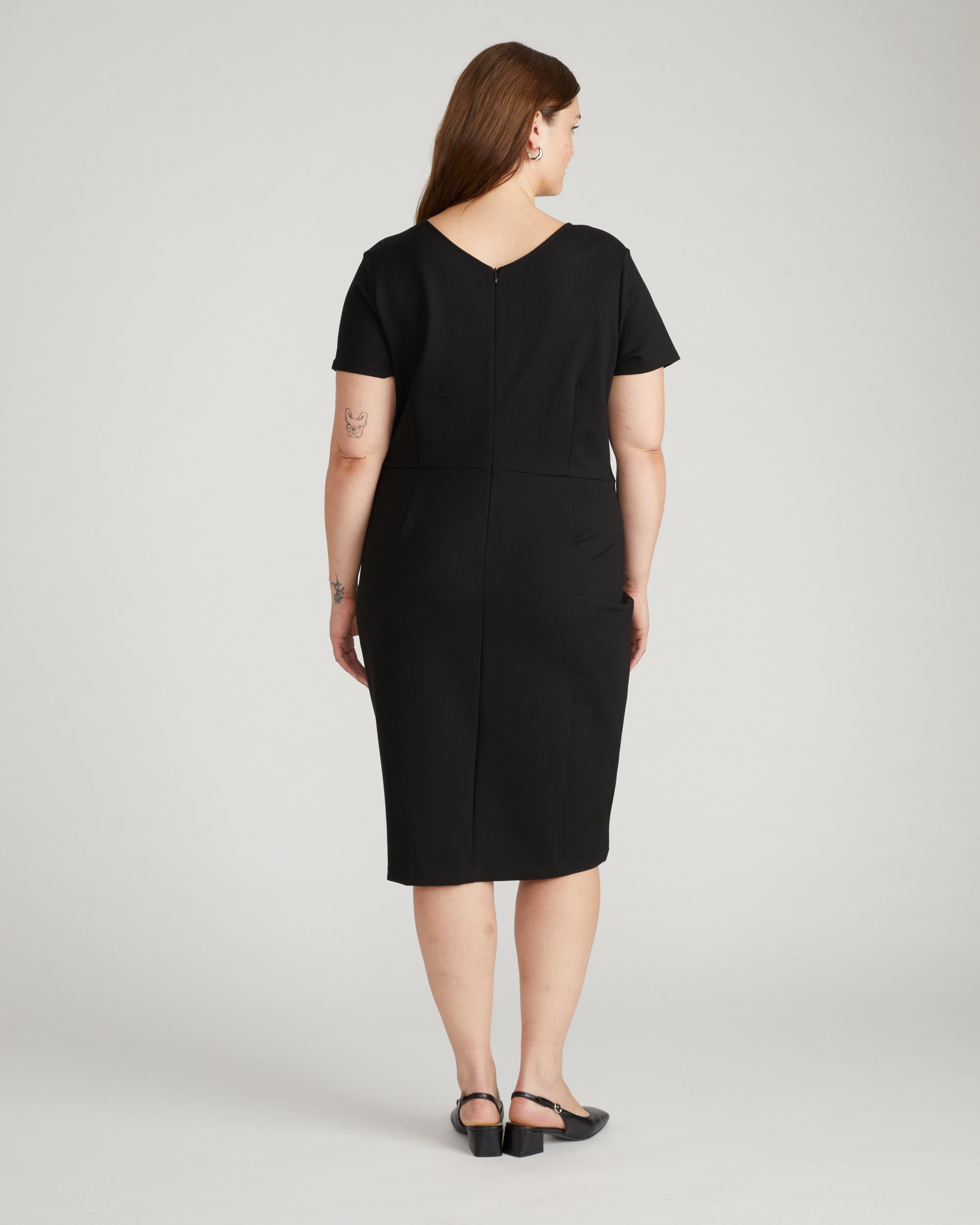
What the column dress is not: it is not a bodycon. It is not strapless. It is not a wrap dress with a tie at the natural waist, because tied wraps tend to twist or pop open during a four-hour dinner. The column dress is the silhouette equivalent of a low calm voice. Pair it with one earring choice, one heel, one bag, and you are dressed.
Dressed-up set: the elevated separate option
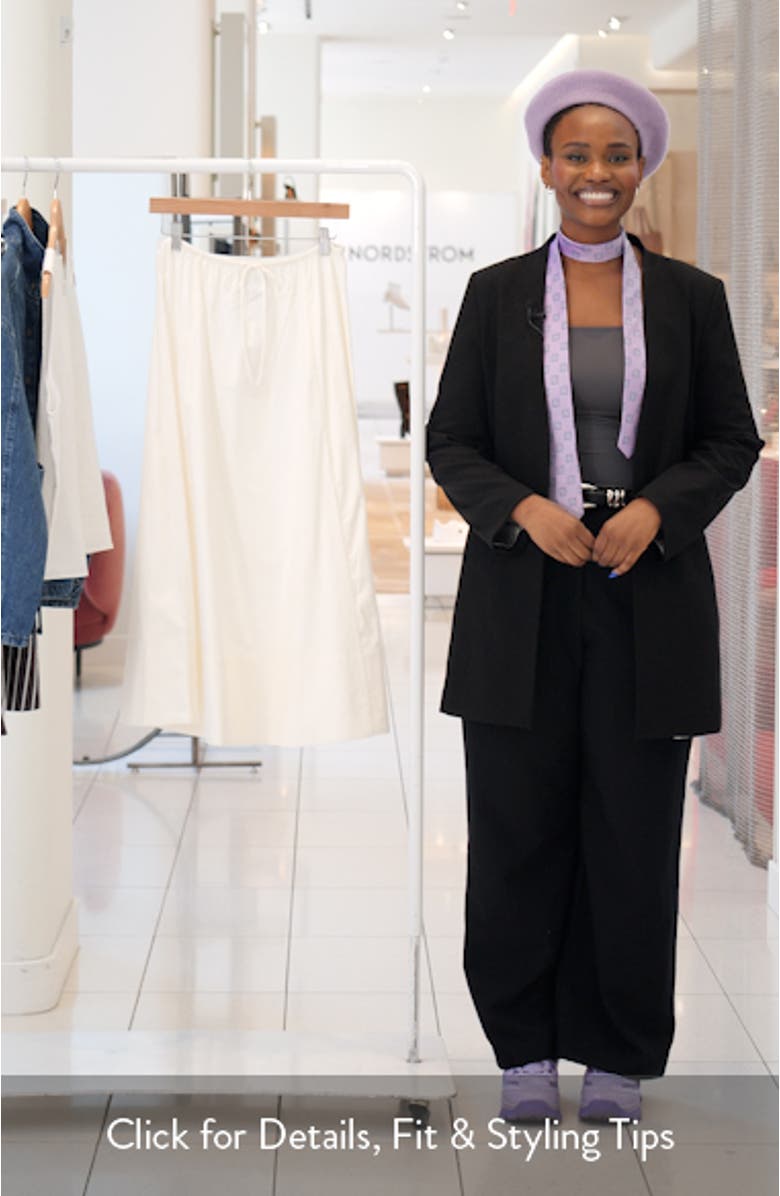
The dressed-up separate is the most flexible hanger in the drawer because it can be deconstructed into the rest of your wardrobe on weekdays and reassembled for date night with no effort. The formula is one bottom that reads dressed-up, plus one top that reads soft and feminine. A satin midi skirt with a fitted knit. Wide-leg trousers with a silk camisole. A leather skirt with a cashmere crew.
My current dressed-up set in the drawer is the Reformation Cleo Skirt in the extended-sizes rotation, paired with a Sundry rib-knit long-sleeve in cream. The Reformation Cleo is the A-line maxi with a drawstring waist, around $198 in the extended-sizes cut, and Reformation’s extended rotation tops out at size 24. The Cleo reads more expensive than it is, which is the whole game. Reformation discontinues fast, so when you find your color, buy two.
The Sundry rib-knit long-sleeve in their plus rotation is around $98. Sundry is sold at Anthropologie, Bandier, and direct, and their plus range is small but reliable. The rib knit fits close without clinging because the rib structure has give that smooth knit does not. A cream rib top with a chocolate satin skirt is a flattering, warm color combination that does not require a single statement piece to feel complete.
An alternate dressed-up set: wide-leg Anthropologie Maeve trousers in black, around $138, with the Eloquii satin camisole in champagne or oxblood, around $69. Maeve is Anthropologie’s in-house line and their plus sizing in dress trousers is one of the better fits on the market for a size 22, with a high waist that stays put through dinner and a leg cut that does not pool at the floor when paired with a heel.
The set works because it lets you build a date-night look out of pieces you already wear in regular life. The Reformation skirt I wear to brunch with sneakers. The rib top I wear to coffee meetings with jeans. On Friday night they become a date outfit. The drawer is not adding garments to my life. It is teaching the garments how to combine.
Elevated jeans: the not-trying-too-hard date
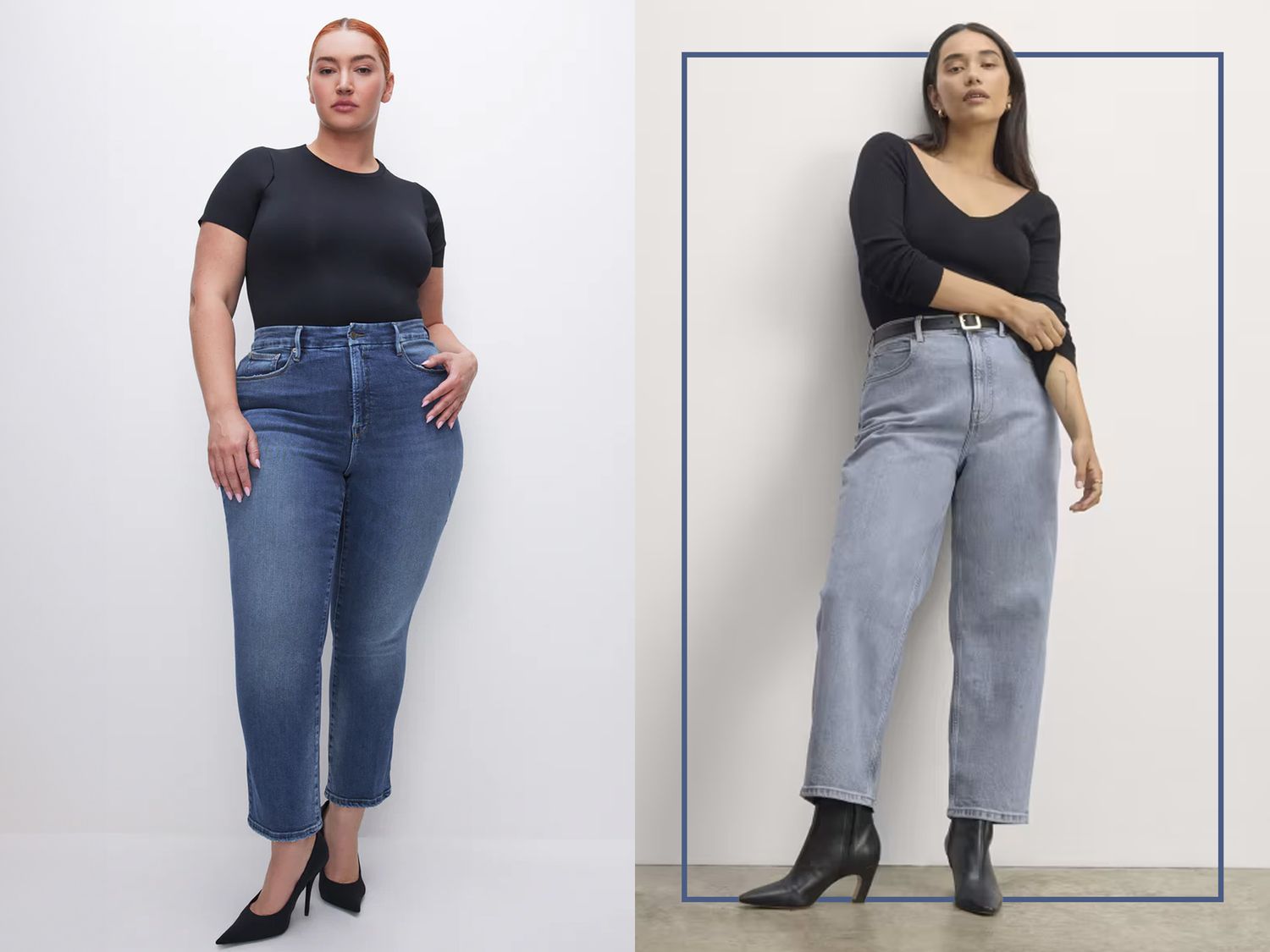
The elevated jeans look is for the dates where the venue is a beer garden, the date said “wear whatever,” it is Saturday afternoon, or the man works in tech and is going to wear a hoodie no matter what. Showing up in a column dress to a sports bar is a vibe mismatch. Showing up in your weekday jeans and a t-shirt is, however, undercooked. The elevated jean look threads that needle.
The formula is a clean dark wash wide-leg or straight-leg jean, plus a silk or satin camisole or a fitted knit, plus a structured layer (a blazer, a leather jacket, or a long trench), plus a heel or a polished flat. Four pieces. Every one of them is a piece you already own or should.
My jean is the Universal Standard Seine High-Rise Wide-Leg in indigo, $108. The Seine in wide-leg sizes through a 40, has a real high rise that does not roll, and the indigo is dark enough to read evening rather than weekend. Universal Standard reformulated the Seine in 2023, so if you remember an earlier cut, the current one runs slightly straighter through the thigh.
The top is the Eloquii satin camisole in cream or oxblood, around $69, the same one used in the dressed-up set option. The camisole tucks into the high-rise jean, the small bra strap shows along the neckline (which is intentional and reads as polish, not accident), and the cream against indigo is the color combination that does most of the work.
The layer is the Universal Standard ‘Stephanie’ Cropped Trench at $198, or, on a real budget, a black Madewell blazer from their plus extension at around $158. The Stephanie hits at the hip and gives the high-rise jean a moment to be seen. A cropped blazer does the same job in colder weather. A long leather jacket is the third option for women whose three words include downtown.
The shoe is a polished flat or a low block heel, not a stiletto. The Madewell pointed-toe ballet flat at $128 in cream or black is the workhorse here. The flat reads as intentional because it is, and it telegraphs that you are dressed for the actual venue rather than performing a level of effort the night does not require.
The bag is a small leather mini, not a tote, not a clutch. A Sezane mini bag in oxblood at around $195, or a Madewell crescent shoulder bag at $148, both fit a phone, a lipstick, a card holder, and a tampon, which is the date night essential kit.
Cocktail option: the dressier evening
The cocktail look is for the dates where the venue is a real restaurant on the Upper East Side, a gallery opening, his work holiday party that you got pulled into at month four, a birthday dinner, an anniversary dinner once you are past it, or the date you put on the calendar a week in advance because he made a reservation. Not every dress in your closet is a cocktail dress. You need one specifically designated to this hanger.
My pick is a velvet cocktail piece from BHLDN’s extended-sizes rotation, in either black or a deep wine. BHLDN runs velvet styles each winter, and the relevant silhouette is a structured-shoulder, slightly fitted-waist mini in the $250 to $350 band. Velvet is the smartest fabric for a cocktail look on a curve body because it drapes with weight, does not cling to shapewear, photographs well in low light, and reads as effort without reading as a wedding guest. A length that hits just above the knee works with heels or with a knee-high boot in winter.
A second cocktail option, lower budget, is an Eloquii sequin sheath. They cycle one in and out every fall in updated colorways. Sequin reads dressier than velvet but is harder to layer, so if your winter calendar has more cocktail-event dates than mine does, get both. Eloquii sizes 14 to 28, the sheath has a forgiving cut at the waist, and a fully lined version keeps the sequins off your skin.
For a Reformation entry, the brand’s extended-sizes rotation periodically includes a satin slip with a cowl or scoop neckline. The bias-cut slip silhouettes read as much more expensive than their actual price and are genuinely well-cut on a curve body when you can catch them in stock.
The cocktail look pairs with one heel, one earring, one bag, and a small clutch in black satin if the dress is not black, or a Cuyana mini in black if the dress is colorful. The whole look should land in under five minutes once it is hanging assembled.
Bad-weather backup: rain/snow/heat reality

The bad-weather backup is the hanger most date-night guides skip and the one that saves the most Friday nights. New York weather will be 38 and raining sideways in October, 16 degrees with subway-grate ice in February, or 92 with 80 percent humidity in July, and a date you scheduled three weeks ago is not getting rescheduled because the weather is feral. The backup outfit is the one you can run through a thunderstorm in and still arrive looking like you tried.
The cold-weather version is a high-rise dark jean, a heavy turtleneck cashmere or merino, a knee-high boot, and a structured wool coat. The Eileen Fisher merino mock-neck in black, around $228, fits clean under a coat and does not pill. The Madewell knee-high boot in black at $298 fits a wide calf with their wide-shaft extension, which sizes up to 19 inches. The wool coat is whatever you already own. The full look reads as evening rather than weekend because of the heel of the boot and the cleanliness of the silhouette.
The rain version is the Universal Standard Stephanie cropped trench in a treated cotton, around $198, layered over the dressed-up set or the elevated jeans. The trench is short enough not to drag in puddles and structured enough to read as outerwear rather than a raincoat. The shoe under it is a leather flat, not a heel, because the cobblestones in the West Village will eat a stiletto in any rain over a light drizzle.
The summer-humidity version is a sleeveless linen midi dress, in a single dark color, with a strappy flat sandal. The Anthropologie Maeve linen midi at around $148 is the right cut here, sleeveless with a defined waist and a midi length that catches air. Linen wrinkles, but linen wrinkles look intentional in a way that polyester wrinkles do not. A cotton or silk slip underneath solves the cling problem at 92 degrees.
The point of the backup hanger is that whatever the forecast does on Friday afternoon, you have an answer ready. You do not stand in front of the closet at 5:47 pm wondering whether the column dress will work under the wool coat. You already know it will not. You grab the backup. You leave the apartment. You arrive on time.
The bag/shoe/jewelry shelf
The shelf above the drawer is the accessory zone, and it follows the same five-and-done logic. One bag, two shoe pairs, three jewelry sets. The shelf is not where you store every bag you own. It is where the date-night pieces live, pre-selected, so that the entire outfit including accessories is grab-and-go.
The bag is one small leather crossbody or mini that fits a phone, a card holder, a lipstick, a tampon, and a key. The Sezane mini, around $195, in oxblood or black, is the budget-friendly version. The Cuyana mini classic at $328 is the slightly nicer version, in cream, black, or caramel, and the leather softens beautifully over a year. One bag, one color, one shelf spot. Done.
The shoes are two pairs. One Madewell pointed-toe flat in cream or black at $128 for the elevated jeans look and the bad-weather backup. One low block-heel sandal or pump for the column dress and the cocktail dress. The Sam Edelman block-heel pump at around $150 is a wide-fit option that does not pinch. Two pairs only, on the shelf, in shoe bags. If you wear a heel only to one of the five looks, drop to one pair.
The jewelry is three sets. A gold hoop pair for the column dress and the elevated jeans. A statement earring (one specific pair, not a drawer of them) for the cocktail dress. A delicate gold chain or pearl necklace that goes with everything. That is it. Skip the bracelet stack, skip the rings, skip the layered necklaces. Plus-size styling reads cleanest when the accessories are deliberate rather than maximalist on a date.
One small bottle of fragrance on the shelf. Whatever you have decided is your scent, in a travel size, so you can spritz on the way out the door. Le Labo Santal 33 in the 15 ml travel at around $86. Maison Margiela Replica By the Fireplace in the 30 ml at $112. Whatever you have committed to. The drawer system extends to scent because deciding what perfume to wear at 5:47 pm is also a decision you do not want to make.
The maintenance cycle (every Sunday)
The drawer is a living system. It needs a fifteen-minute maintenance cycle every Sunday, and that maintenance cycle is what separates a working drawer from a Pinterest fantasy that lasts six weeks.
Every Sunday morning, before the laundry goes in, open the drawer zone and do five things. One, check the hangers. Anything that came back from a date needs to be steamed, dry-cleaned, or hand-washed. Two, check the shelf. Any shoe that needs a polish, polish it. Any bag that needs a wipe-down, wipe it. Three, check the jewelry. Any earring back that is missing, replace it. Four, check the fragrance. If the travel size is below a quarter full, refill it from the main bottle. Five, look at the five hangers and ask whether any of them no longer fits this season. Spring requires a different bad-weather backup than winter. Swap the hanger out, hang the off-season piece in storage.
The whole maintenance cycle takes fifteen minutes and runs on coffee. It is shorter than scrolling Instagram. The reason it works is the same reason any system works: the cost of the maintenance is paid in calm Sunday minutes instead of panicked Friday minutes, and the calm minutes are easier.
Every season, do a longer audit. At the equinox, pull the drawer down, lay the five looks on the bed, and ask the same questions you asked when you built it. Does this still fit my body. Does this still match the dating life I am actually living. Does this still feel like me. If yes, hang it back up. If no, replace it, and add the rejected piece to the regular closet or the donation pile. The drawer is allowed to evolve. It is not a museum.
The hardest part of the maintenance is the honesty about whether the drawer is being used. If three months pass and you have not pulled a single look from it, the issue is not the clothes. The issue is the dating life or the closet zone, and both are diagnosable. Either you are not going on dates, in which case the drawer is fine and waiting, or you are going on dates and pulling from elsewhere, in which case the drawer is wrong and needs re-auditing.
The challenge
Here is the five-piece date-night drawer at size 22, by named brand, that you can build this week. Pull the cards together and have them assembled by next Sunday.
The dress: a long-lean ponte column from Universal Standard in black, around $128, or the Eloquii faux-wrap column in burgundy at $159, or a BHLDN crepe gown from their extended-sizes rotation for the higher-budget pick.
The dressed-up set: the Reformation Cleo Skirt in the extended-sizes A-line, around $198, paired with the Sundry rib-knit long-sleeve in cream, around $98. Alternate: Anthropologie Maeve wide-leg trousers in black at $138 with an Eloquii satin camisole in champagne at $69.
The elevated jeans look: Universal Standard Seine High-Rise Wide-Leg in indigo at $108, the Eloquii satin camisole at $69, the Universal Standard Stephanie cropped trench around $198, and Madewell pointed-toe flats in cream at $128.
The cocktail option: a BHLDN velvet mini in wine from their extended sizes, around $258, or an Eloquii sequin sheath at $189, or a Reformation extended-sizes slip when one is in stock.
The bad-weather backup: dark high-rise Seine jean, Eileen Fisher merino mock-neck in black at $228, Madewell knee-high boots in the wide-shaft extension at $298, and a wool coat you already own. The summer version swaps in the Anthropologie Maeve linen midi at $148.
The accessory shelf: Sezane mini bag in oxblood at $195 or the Cuyana mini classic in caramel at $328. Two shoe pairs, the Madewell flat at $128 and the Sam Edelman block-heel pump at $150. Three jewelry sets: gold hoops, one statement earring, one delicate gold chain. One travel fragrance, your committed scent.
The challenge is this. By next Sunday, audit your closet, pick a zone, hang the five looks, stock the shelf, and run the first maintenance cycle. The total spend, if you are building the drawer entirely from new, is between $1,400 and $2,200 depending on which option you pick at each slot. If you already own pieces from the audit phase, you will spend a fraction of that. Either way, the next Friday a date lands on your calendar, walk to the drawer at 5:47 pm, pick the look that matches the venue and the weather, and leave the apartment on time. No tears, no F-train alert, no third-thing-you-touched. The drawer is the system that ends Friday closet panic. Build it once. Live in it for years.