
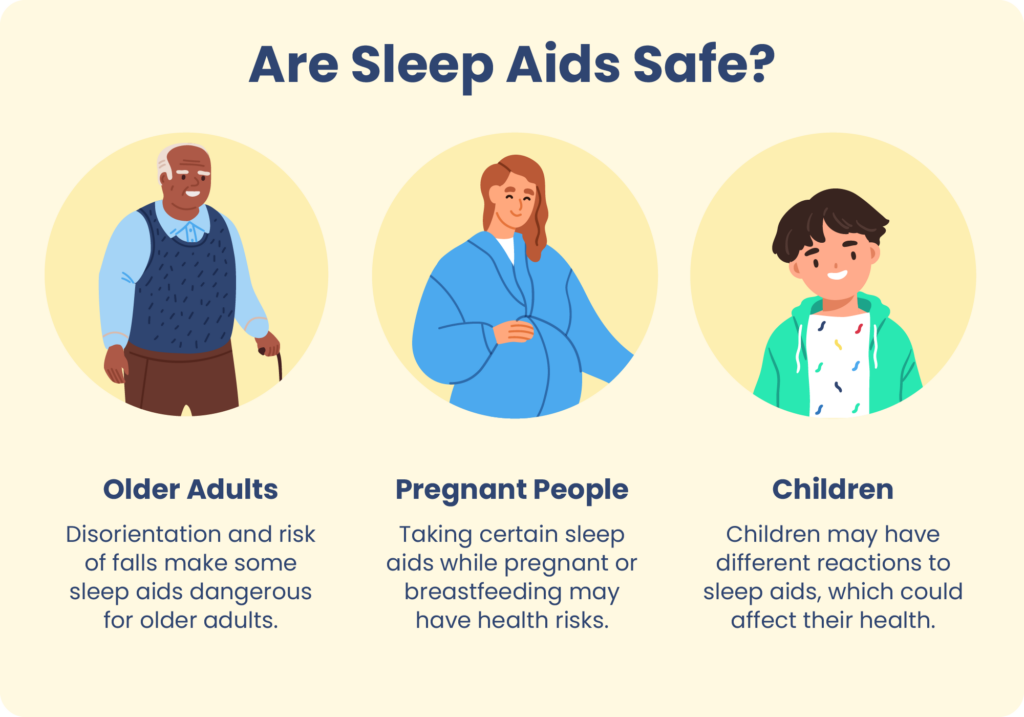

If you have ever stood in the sleep aisle at eleven at night reading the back of three different boxes, you already know the problem. Everything on the shelf promises rest. Almost nothing on the shelf tells you what it has actually been shown to do, who it is not for, or what it might do to your morning. This is a plain look at the main categories of sleep aid, what the published evidence and the labelling actually say, and the questions worth asking before you add anything to your night.
No product rankings here, and no doses. Strengths, timing and suitability depend on your own health history, your other medications and things only a clinician can assess. What follows is background to take into that conversation, not a substitute for it.
Start with the kind of bad sleep you have
The most useful question is not “what is the best sleep aid.” It is “what is actually going wrong.” Trouble falling asleep, trouble staying asleep, waking far too early, and sleeping a full night but waking unrefreshed are four different problems with four different likely causes. A product aimed at one of them has no particular reason to help with another, which is a large part of why so many people cycle through the shelf and conclude that nothing works.
That question is also the one a clinician will start with, so it is worth being able to answer it precisely. How long does it take you to fall asleep. How many times do you wake. What happens when you wake, do you drift back off or lie there. How long has this been going on. A week of writing that down is worth more than a month of experimenting.
Melatonin
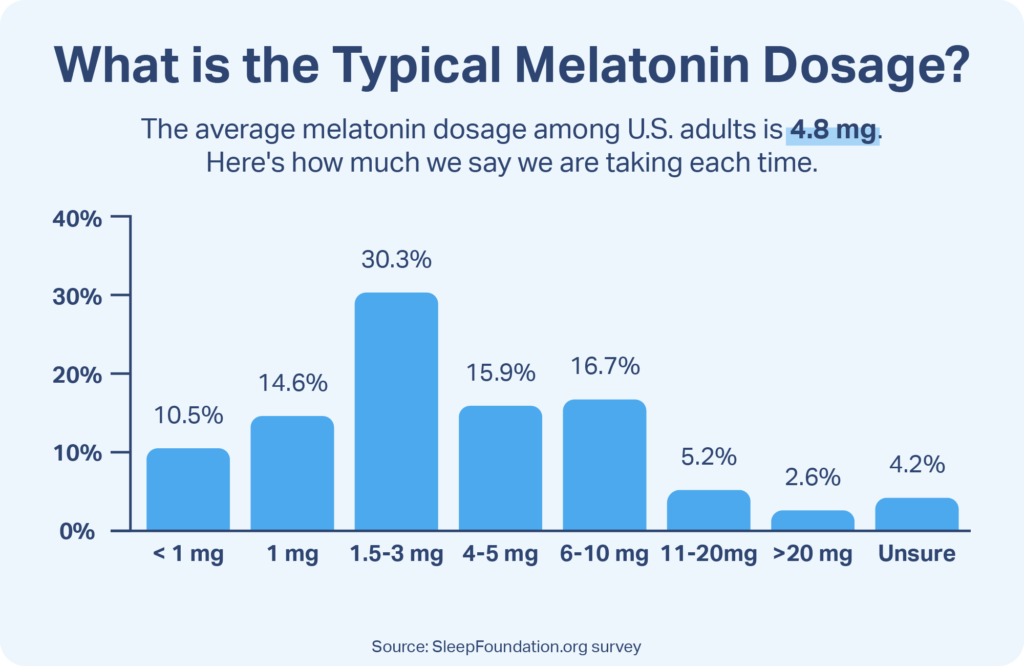
Melatonin is a hormone your body produces as evening light fades. It is a timing signal rather than a sedative, which is the single most misunderstood thing about it. It is sold in the United States as a dietary supplement, which means potency and purity are not verified the way a medicine’s are, and independent testing has repeatedly found bottles whose contents do not match the label.
The research base is strongest around circadian timing problems, the jet lag and shift work end of things, and considerably thinner for ordinary insomnia. One detail worth knowing before you shop: the strengths commonly sold on drugstore shelves are substantially larger than the amounts most of the research used. More is not a stronger version of the same effect, and next-morning heaviness is a commonly reported complaint. Several clinical guidelines stop short of recommending it for chronic insomnia for exactly that reason, that the evidence is not there.
Worth flagging: melatonin is not considered appropriate in pregnancy or breastfeeding without medical advice, and for children it should only ever be a clinician’s decision.
Sedating antihistamines
Most products on the shelf labelled as night-time sleep aids are antihistamines, the same class used for allergies, chosen because drowsiness is one of their effects. Two things about them rarely make it onto the front of the box. Tolerance to the sedating effect tends to build quickly, so the product you reach for every night becomes less useful fast. And the next-day residue is real for a lot of people, a flatness and slow-headedness that does not clear the way tiredness does.
These medicines also have anticholinergic effects, which matters more with age and with other medications. Prescribing guidance for older adults specifically advises against using them routinely for sleep. If you are over 65, on multiple medications, or managing an enlarged prostate, glaucoma or heart rhythm issues, this is a pharmacist conversation before it is a purchase.
Magnesium

Magnesium is a mineral, not a sedative, and the sleep research on supplementing it is limited and mixed. What is better established is the practical difference between the forms on the shelf, because that is chemistry rather than marketing. Citrate has a pronounced laxative effect, which is why it turns up in constipation products. Oxide is poorly absorbed. Glycinate and the threonate form are the ones usually sold for sleep and calm, and the threonate version is typically several times the price.
The real caution is kidney function. If your kidneys do not clear magnesium efficiently it can accumulate, so anyone with reduced kidney function should not supplement it without medical supervision. It also interacts with some antibiotics and with thyroid medication by interfering with absorption, which is usually a timing problem rather than an absolute one, and a pharmacist can sort that out in two minutes.
L-theanine
L-theanine is an amino acid found in tea leaves, marketed for a calmer, less wired mental state rather than for sedation. The published work on it is small in scale and mostly short term, and it is honest to say the evidence is preliminary rather than settled. It is generally regarded as well tolerated. If your nights are a racing mind rather than a body that will not stay asleep, it is the category people reach for, which is not the same as a category that has been shown to deliver.
Ashwagandha
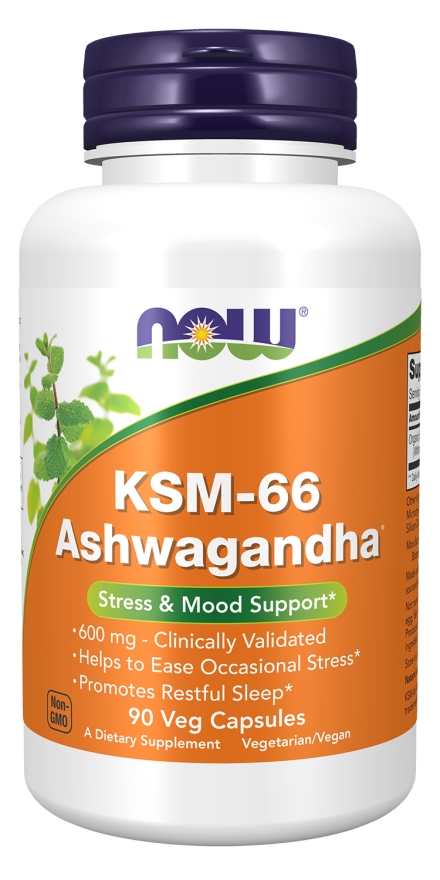
Ashwagandha is a herbal extract sold as an adaptogen, usually marketed around stress rather than sleep directly. The trial evidence exists but is modest in size and quality, and different products use different extracts at different strengths, so one bottle is not interchangeable with another.
The safety notes matter more than the marketing here. Ashwagandha can affect thyroid hormone levels, which makes it a genuine problem alongside thyroid conditions or thyroid medication. It may add to the effect of sedatives, and it is generally avoided with immunosuppressant medication and in autoimmune conditions. There are documented case reports of liver injury associated with ashwagandha products, which is rare but is the reason several national regulators have issued warnings. It is not recommended in pregnancy. Run it past a clinician before you start, not after.
CBD and CBN products
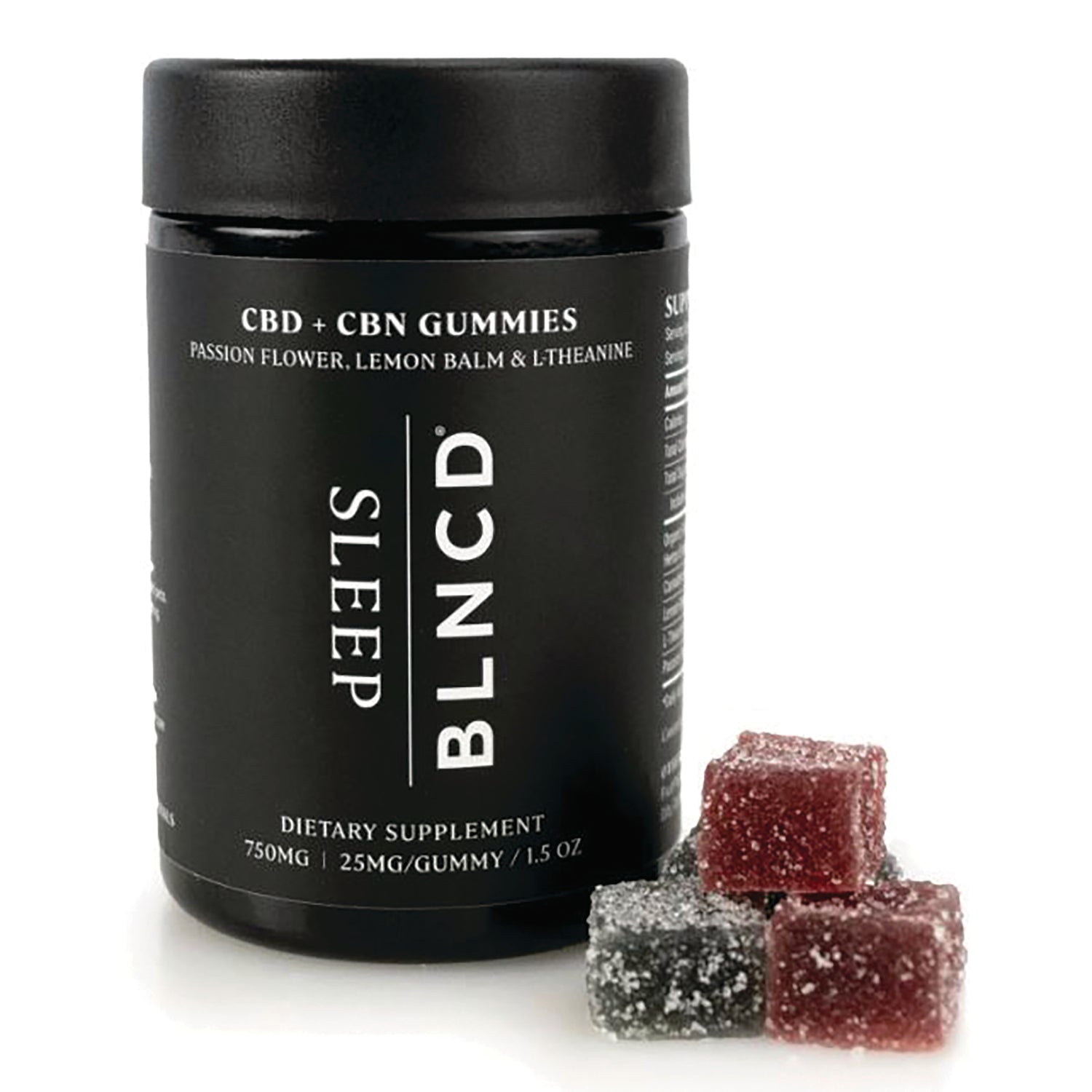
Legality varies by state and by product, so start there. Beyond that, the biggest practical issue with this category is that labelled content and actual content often diverge, and regulators have repeatedly flagged products whose cannabinoid levels were nothing like what the package claimed. Sleep is one of the most common marketing claims made for these products and one of the least well supported by published trials.
Two things that do have a reasonable literature behind them. Cannabinoids are associated with reduced REM sleep, so more total hours does not necessarily mean better-structured sleep. And next-day impairment, a fogginess distinct from ordinary grogginess, is a commonly reported effect. CBD also interacts with a long list of medications through the same liver enzymes that process them, including some blood thinners and seizure medications, which makes a pharmacist check genuinely important rather than a formality.
Valerian
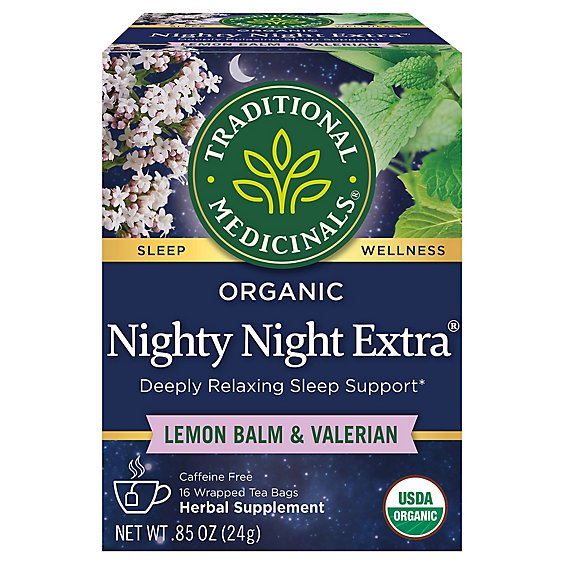
Valerian root has been used as a sleep remedy for a very long time, and the research on it is best described as mixed. Reviews tend to find the studies small, inconsistent in method and inconsistent in which preparation they used, which makes pooling them difficult and makes confident statements about it unwise.
Two practical notes. A minority of people report a paradoxical alerting effect, so if you try it and feel wired rather than drowsy, that is a documented response and not you doing it wrong. And it should not be combined with prescription sedatives or alcohol. Also, fair warning on the tea: the smell is famously unpleasant, somewhere in the wet hay family, and no amount of honey fixes it.
Prescription sleep medication
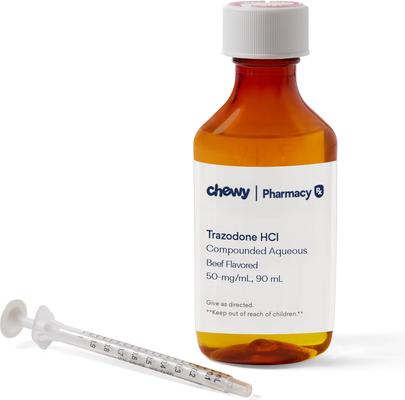
Prescription options exist and they exist for a reason. Some are approved specifically for insomnia, and others, including certain sedating antidepressants, are prescribed off label for it. Which one suits a person, at what strength, for how long, and alongside what else they take, is a clinical judgement that depends entirely on individual history. That is not a hedge, it is the actual situation, and it is why there is no useful general advice to give here beyond this.
What is worth saying out loud is that there is a strong current in wellness culture that treats any prescription as a personal failure. That pressure is wrong and it keeps people awake for months longer than they need to be. The flip side is equally important: do not buy sleep medication online, and do not take a friend’s. Dosing, interactions and the decision about duration are the whole point of a prescriber being involved.
The approaches that are not on the shelf

Here is the part that gets the least marketing budget and has the most clinical backing. For long-running insomnia, major clinical guidelines put cognitive behavioral therapy for insomnia, usually shortened to CBT-I, ahead of medication as the first thing to try. It is a structured, time-limited program that works on sleep timing and on the thinking patterns that keep people awake, and it is available through clinicians, through some health plans and through app-based programs. If you only chase down one thing from this article, chase that one, because it is the option with real evidence behind it and the one almost nobody mentions in a sleep aid video.
The ordinary environmental advice is unglamorous and still worth doing: a consistent wake time including weekends, a dark and cool room, getting daylight into your eyes early, and keeping the bed associated with sleep rather than with scrolling and worrying. None of it is a cure for insomnia. All of it makes everything else work better, and none of it costs anything.
The safety part, which is the important part

Do not stack these. It reads, at the end of a piece like this, as though the sensible move is to combine the gentle ones. It is not. Sedative effects add up, and several of these combinations are genuinely dangerous rather than merely unwise. Layering a prescription sedative with cannabinoids and a supplement is a sedation load that lands people in emergency rooms. Valerian alongside prescription sedatives or alcohol is contraindicated. Ashwagandha alongside thyroid medication is its own specific problem.
If you take any prescription medication at all, run a sleep aid past your pharmacist before you add it. Pharmacists check interactions for free, they will do it over the counter in a few minutes, and they are the most underused safety net in this whole category. Bring the actual bottle or a photo of the label, because the brand name tells them less than the ingredient list does.
If you are pregnant, breastfeeding, taking SSRIs or other antidepressants, managing a liver or kidney condition, or under 18, most of this list either has thin safety data or is actively contraindicated. In those situations the advice should come from your own clinician, your OB or your prescriber, and not from any article.
When to stop shopping and make an appointment
Persistent insomnia is a symptom, and it frequently has a medical cause sitting underneath it. Sleep apnea, thyroid problems, iron deficiency, restless legs, chronic pain, perimenopause, anxiety and depression, and the side effects of medications you are already taking are all common drivers, and none of them are fixed by anything on a drugstore shelf. Loud snoring, waking gasping, being told you stop breathing, falling asleep during the day, or an urge to move your legs at night all point firmly at a clinician rather than a supplement.
The general marker worth holding on to is this: trouble sleeping three or more nights a week for three months or longer is the point at which clinical definitions of chronic insomnia kick in, and the point at which a professional assessment is a much better use of your money than another box. Go sooner than that if it is affecting your work, your driving or your mood.
The thing no bottle will fix

No supplement is going to fix a schedule that is not survivable. If your nights went bad in the same season that your workload doubled, or the caring responsibilities landed, or the job got precarious, the sleep is reporting on the life. That does not mean you have to accept it, and it does not mean the biology is imaginary. It means the useful intervention might be a hard conversation about what you are carrying rather than another tab open on a supplement site.
So: work out which kind of bad sleep you have. Fix the free things first, the wake time and the light and the dark room. Ask about CBT-I. Take anything you are considering to a pharmacist before it goes in your mouth. And if it has been going on for months, stop running experiments on yourself and let someone qualified look at it properly. You deserve better than a shelf full of half-used boxes.
A note on health information. This article is general information and not medical advice. It is not written by a clinician and it cannot account for your own history, medications or circumstances. Please speak to a qualified healthcare professional before starting, stopping or changing any treatment, medication or supplement, and seek professional support if anything here raises a concern about your own health.