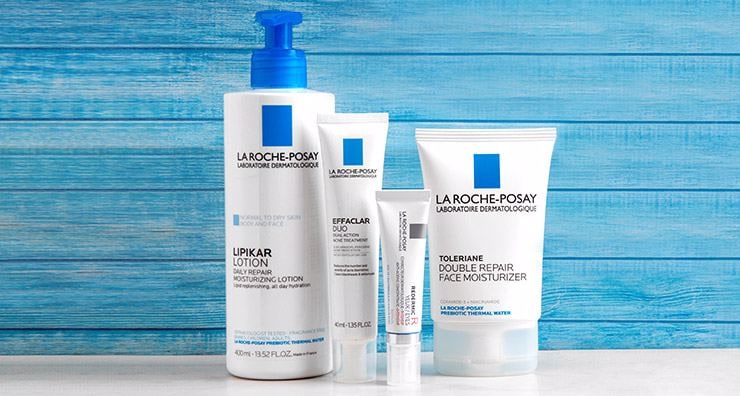
The La Roche-Posay product that delivers the most for a plus-size body is not the one the brand puts on every dermatologist-recommendation list. After fourteen months of using the brand on my own size 16 body and pulling apart what worked from what got hyped, the highest-impact pick is the $20 Lipikar Baume AP+M, not the famous Effaclar Duo or the Anthelios sunscreen that owns half the SkinTok comment sections. The Lipikar fixes problems specific to bigger bodies - thigh-fold chafing rash, post-friction hyperpigmentation under bra bands, and the dry, irritated patches that show up where skin sits against skin in summer - and almost nobody reviewing this brand talks about it. The other products are good. Some are excellent. But the brand’s marketing aims at faces, and plus-size skin lives below the jawline.
For context on the skin and body this review is written from: I am NC45 with neutral-warm undertones, biracial Black and Filipina, size 16 with a long torso and a soft middle that has carried a Type 4A natural hair routine, two professional makeup careers, and one move from LA to Atlanta. My body skin is normal-to-dry, prone to keratosis pilaris on my upper arms, hyperpigmentation across my inner thighs from years of denim friction, and the occasional cluster of body acne on my upper back when I work out without changing tops fast enough. My face is combination-oily, melasma-prone, and reactive to fragrance. I tested the La Roche-Posay range the way a plus-size buyer actually shops it - the body products got fourteen months and a real Atlanta summer, the face products got eight weeks each, and the sunscreen got the worst test I could give it which is reapplication at a Six Flags water park in July.
Quick verdict
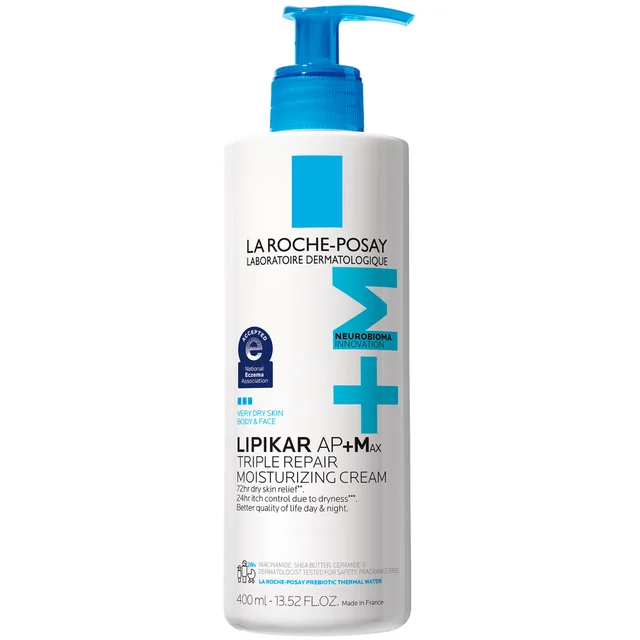
Rating: 4.5 out of 5 for body care, 3.5 out of 5 for facial skincare. Lipikar Baume AP+M is the strongest pick in the lineup for plus-size readers and the one most reviewers skip. Anthelios Melt-In Milk SPF 60 is the only chemical body sunscreen I have used that does not pill under a size-16 cotton sundress after two hours. Effaclar Duo earns its hype on back acne, undersells on facial use for deeper skin tones. Toleriane Hydrating Cleanser is a competent face wash and not much more. Best for: anyone with body skin concerns - chafing, KP, body acne, post-friction dark marks. Skip if: you only want a face routine and you are not coming from a sensitized barrier. Where to buy: Lipikar Baume AP+M at Amazon , around $20 for 13.5 oz.
What La Roche-Posay actually is
La Roche-Posay is a French thermal-water-based skincare brand owned by L’Oreal since 1989, sold primarily through dermatologists in Europe and through Amazon, Target, Ulta, and Sephora in the US. The brand built its reputation on three things - thermal spring water from the town of La Roche-Posay (used as a base ingredient, claims around selenium and trace minerals), aggressive dermatologist-channel marketing, and a willingness to formulate at active percentages drugstore brands historically avoided. Effaclar Duo in the US uses 5.5 percent benzoyl peroxide and LHA, a slow-release salicylic-acid derivative. The Mexoryl filter (Ecamsule, brand-licensed by L’Oreal) is present in select Anthelios SX formulations in the US; the Melt-In Milk SPF 60 sold in the US uses avobenzone, homosalate, octisalate, and octocrylene as its filter system.
The brand sits at a specific price tier that matters for this review. Most of the line falls between $15 and $40, which puts it above CeraVe and Cetaphil on price but well below the prestige tier of Drunk Elephant, Tatcha, or SkinCeuticals. La Roche-Posay’s pitch is that it is dermatologist-grade at drugstore-adjacent pricing, sold without the prestige markup. For a plus-size buyer who needs more product to cover more body, that price tier is the entire conversation. Body care that requires four ounces per application is not affordable at $60 a tube. Most of La Roche-Posay’s body sizes are 13.5 oz for Lipikar Baume and 5 oz for the body sunscreen, which is enough for a real plus-size body to actually finish before the formula degrades.
My experience over fourteen months
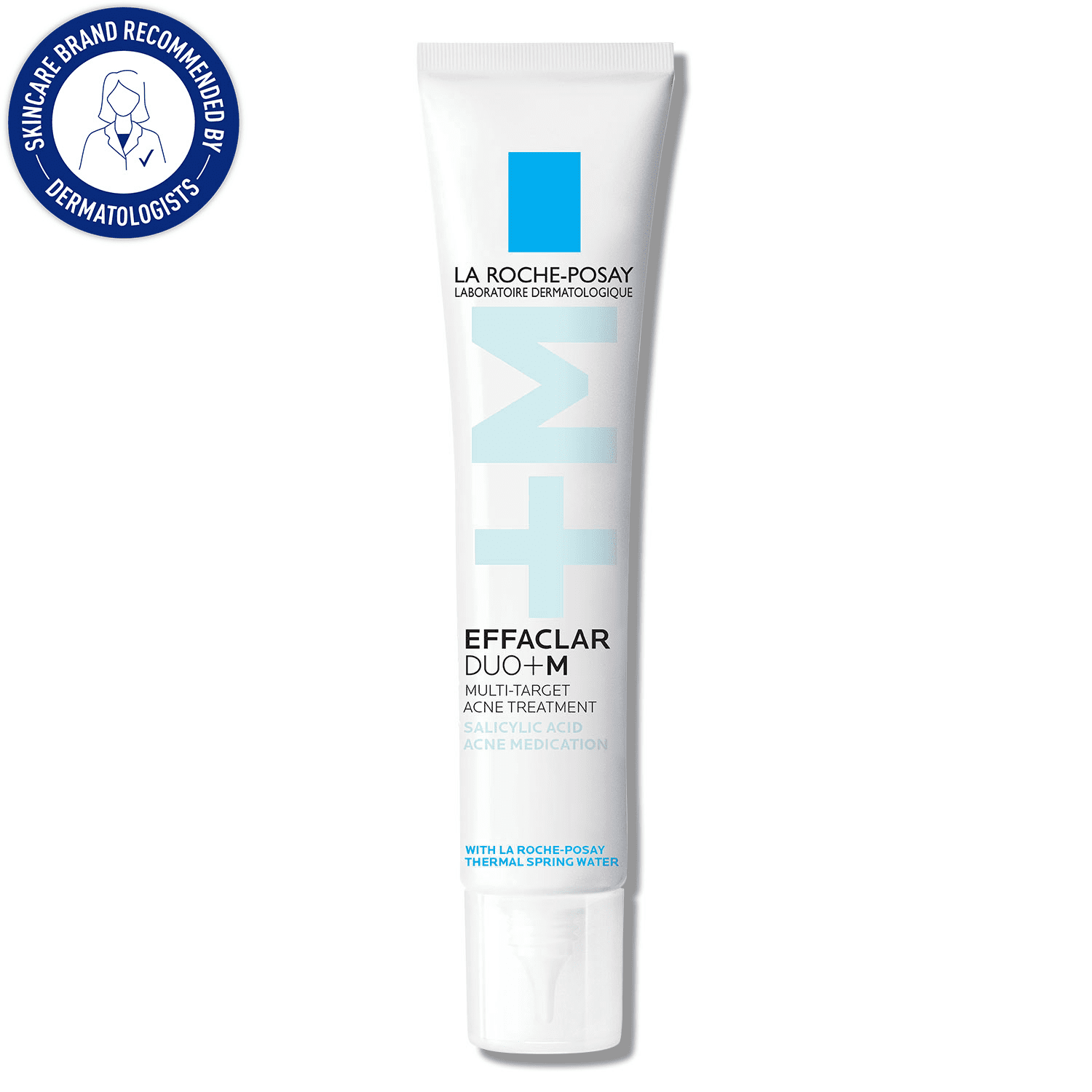
I started with Effaclar Duo on my upper back after a summer of consistent body acne that my regular salicylic acid body wash was not clearing. I had been using a body wash from a popular drugstore brand at 2 percent salicylic acid for about four months with diminishing returns. Effaclar Duo went on as a leave-on spot treatment after showering, applied to the cluster on my upper back where my bra band sits and the breakouts hide. Two weeks in, the active clusters were down by about half. By week four, the back was clear. I have stayed clear since, with the Effaclar Duo used preemptively two nights a week instead of daily, which is what the bottle suggests for maintenance anyway. For body acne specifically, this product worked faster than anything else I have tried, including a prescription clindamycin lotion my dermatologist gave me in 2022.
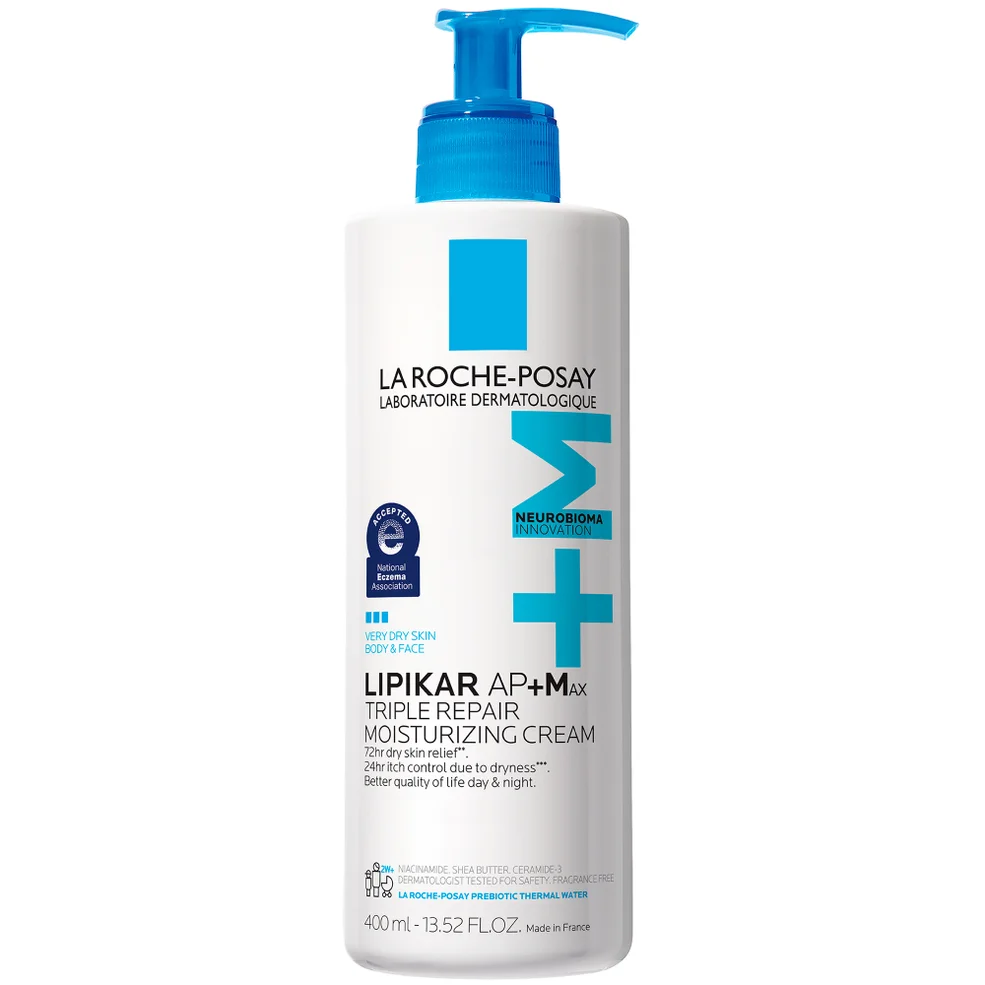
The Lipikar Baume AP+M is the product I did not expect to love. I bought it because my inner thighs were having one of their summer moments - the kind of chafing rash that comes from a plus-size body walking in 92-degree Atlanta humidity for any distance in a dress without the right shorts under. I had tried the usual things. A popular drugstore healing ointment helped overnight but stained sheets and clothing. A prestige body cream felt nice but did nothing for the inflammation. The Lipikar Baume was recommended by a Reddit thread for atopic-prone skin and I bought it expecting another mediocre body lotion. The first night, the burning sensation along my inner thighs was gone within twenty minutes. By day three, the rash had calmed. By day seven, the post-friction hyperpigmentation that had been building for the entire summer started to fade. Not gone - I am realistic about that - but visibly lightening over the next eight weeks of consistent twice-daily use.
The Anthelios Melt-In Milk SPF 60 was the product I expected to be fine and found to be one of the best body sunscreens I’ve used at any price. The texture is genuinely milky, not white-cast or greasy. On NC45 medium-deep skin, it disappears completely within about forty seconds of application, with no flash-back in photos and no chalky residue on my arms or chest. I tested it under a cotton sundress for a six-hour stretch at the water park in July, with reapplication every two hours per the label, and I didn’t get the pilling-and-streaking effect that body sunscreens usually leave on a plus-size body where the fabric drags against the lotion on the upper arms and underbust. I burned once during that summer - mild, on my chest, after I forgot to reapply at hour four during a particularly stupid pool day - and never with consistent reapplication.
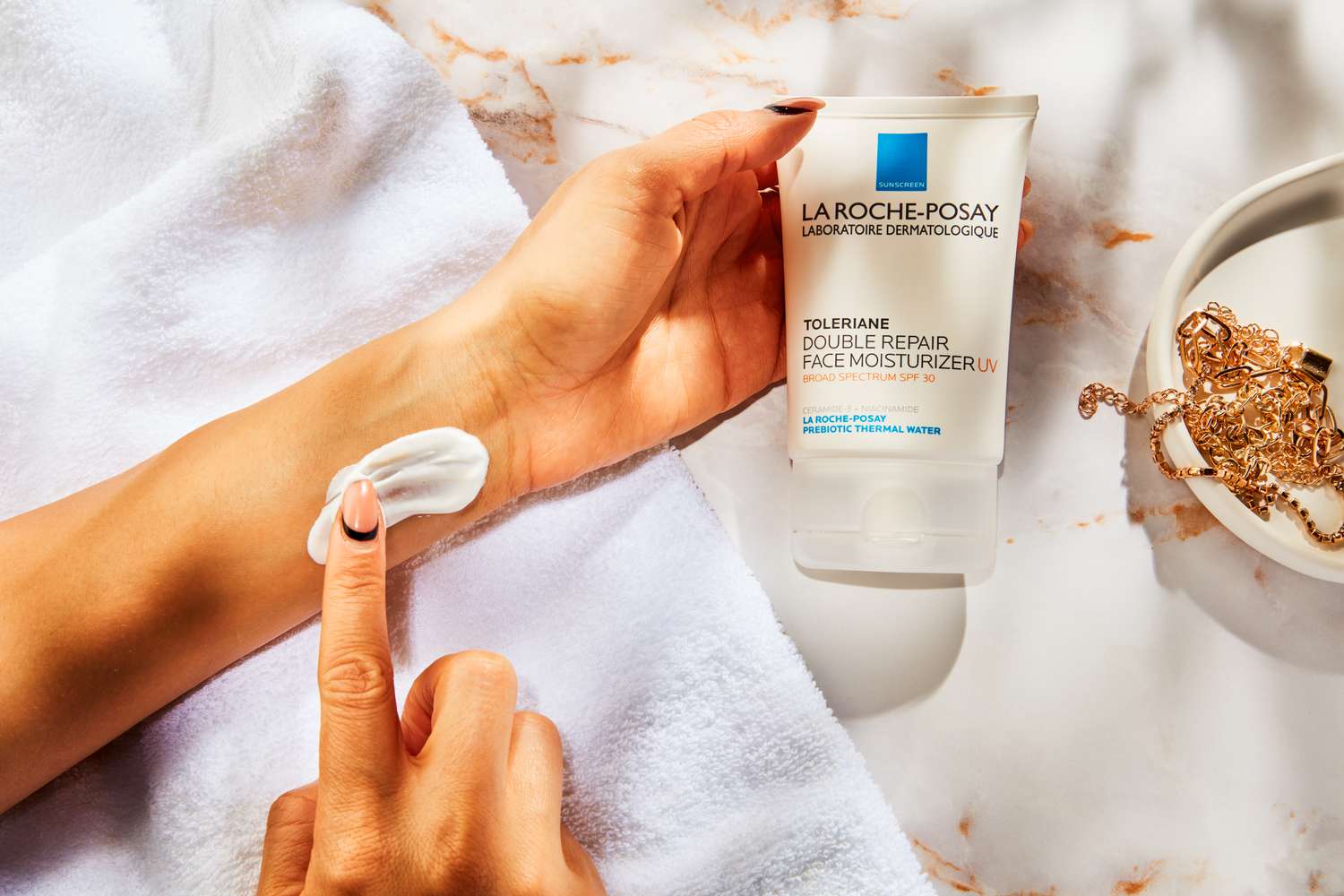
The face products were a more mixed test. Toleriane Hydrating Cleanser was perfectly competent for eight weeks - it cleaned my face without stripping, did not pill under MAC Studio Fix NC45, did not break me out. It also did not do anything my $13 Cetaphil cleanser was not already doing, which made it hard to recommend at the $17 price for a smaller bottle. I went back to Cetaphil after the test. The Toleriane Double Repair Moisturizer was better - it has niacinamide and ceramides, layered well under sunscreen, and felt slightly more hydrating than CeraVe Moisturizing Lotion for my combination-oily face, but again the difference was small enough that I am not sure it justified the price jump.
What works
The body lineup is the strongest part of this brand for plus-size readers, and it is the part that gets the least coverage on most skincare blogs because most reviewers either focus on face products or do not have body-skin concerns that come with carrying more body. Lipikar Baume AP+M is the standout. The texture is heavier than a body lotion and lighter than a body butter, somewhere in the zone that I would call a body cream. It sinks in within five to ten minutes without leaving a film I would have to wait out before getting dressed. The shea butter and niacinamide are doing real work on skin that has been irritated by friction or fabric or both. For anyone with eczema-prone patches or post-chafe hyperpigmentation, this is the product I would recommend over any prestige body treatment.
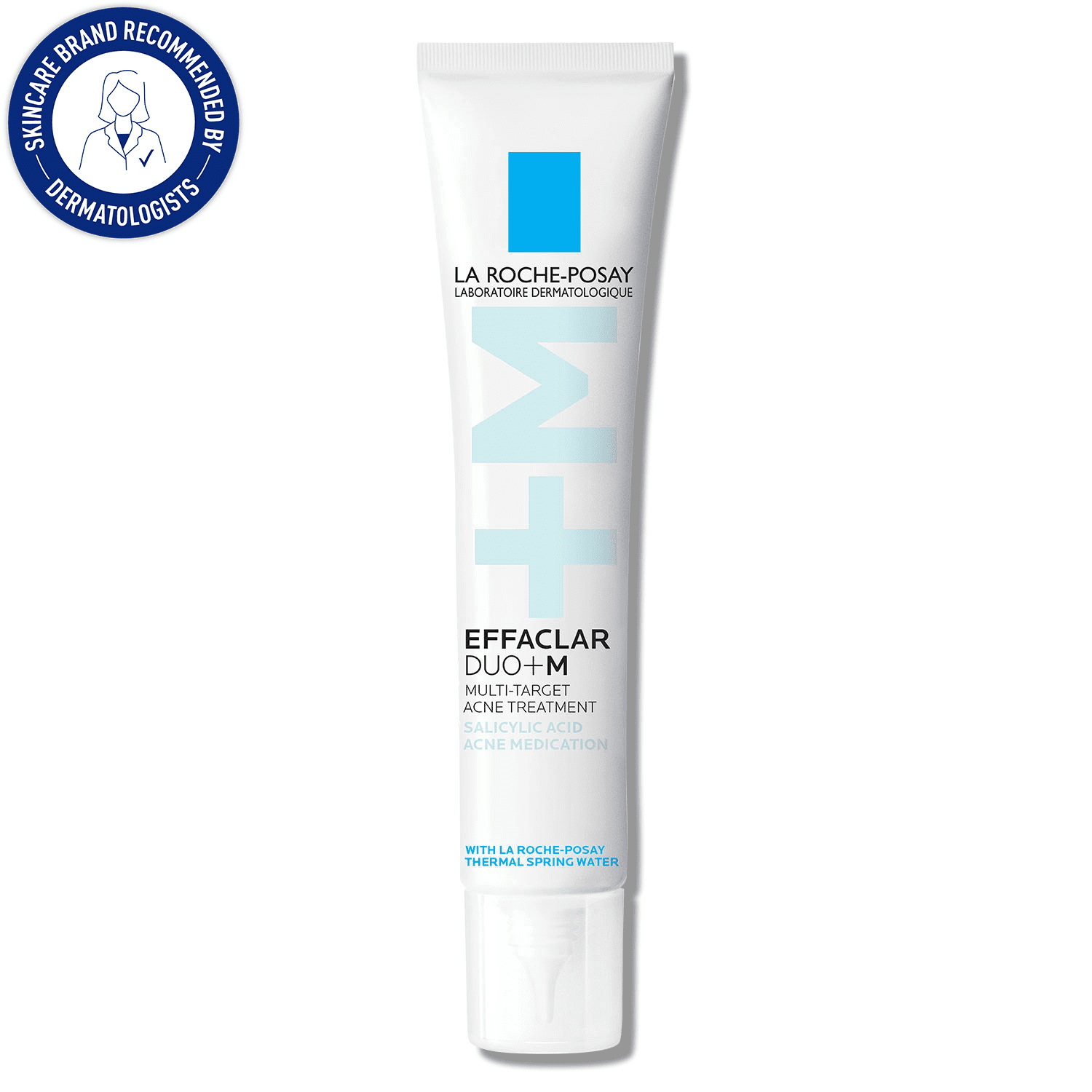
Effaclar Duo earns its hype for body acne, and especially for the kind of plus-size body acne that hides under bra bands, on the upper back, and along the chest line. The micronized benzoyl peroxide formulation is less irritating than the cheaper drugstore versions, and the addition of LHA (a slow-release salicylic acid) means the product does both surface exfoliation and pore-level acne treatment. I have left it on overnight on my back without the kind of redness or peeling that 10 percent benzoyl peroxide products tend to cause. The 1.35 oz tube does feel small for body use but the application is targeted enough that the tube lasts about ten weeks for me at twice-weekly maintenance use.
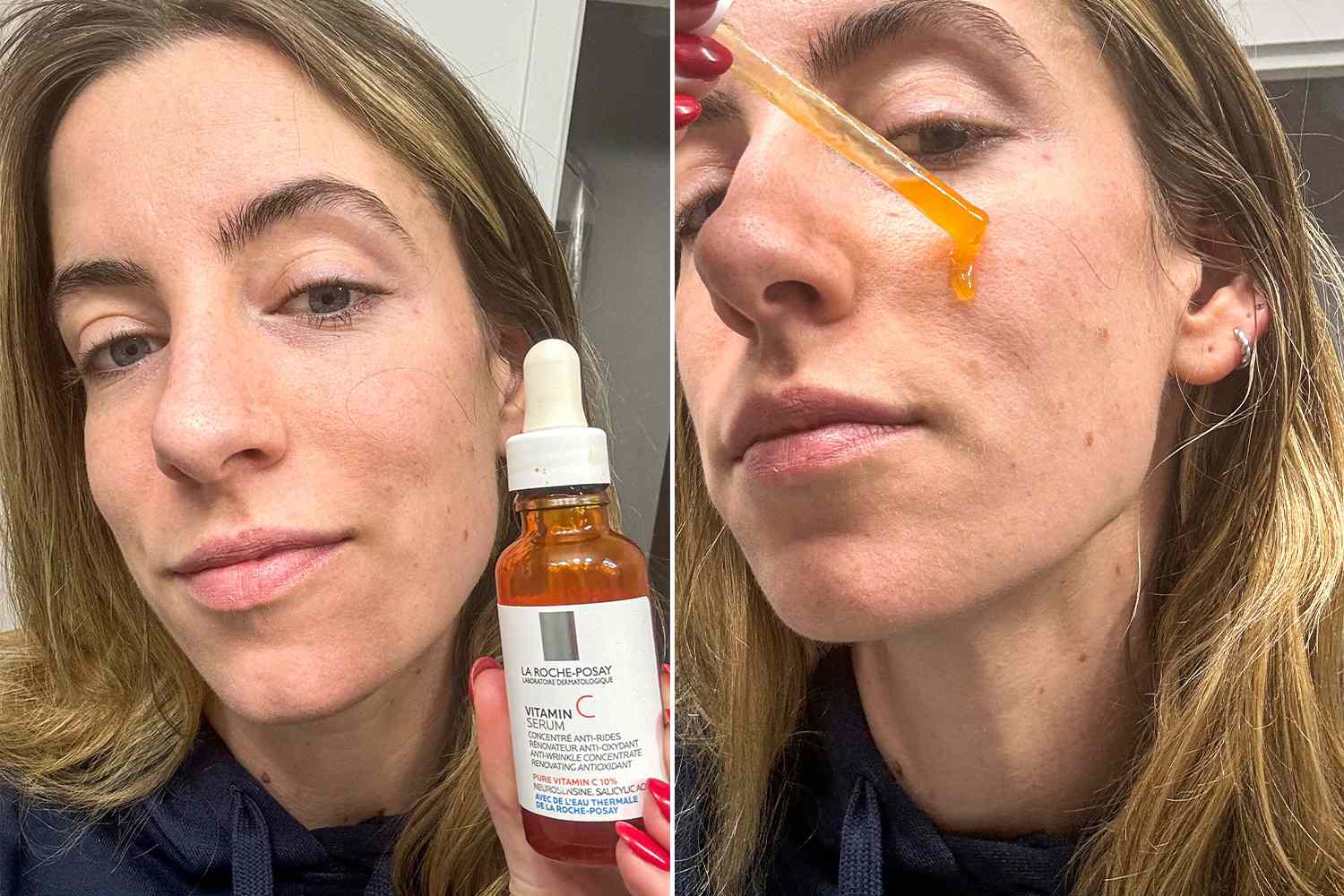
Anthelios Melt-In Milk SPF 60 is, for my money and my body, one of the best body sunscreens on the US market right now. The avobenzone-plus-stabilizer system finishes weightless, and it actually disappears on NC45 skin instead of leaving the gray-cast haze that most chemical body sunscreens leave on deeper complexions. The 5 oz tube is enough for a full body application with some left over for reapplication on exposed areas. At around $34, it’s more than CeraVe Hydrating Body Lotion with SPF 30, but the higher SPF, the texture, and the no-flash-back performance on Black and brown skin earn the price difference.
The pricing is honest for what the formulations actually do. La Roche-Posay sits in the $15-40 zone across most of the line, which is the right tier for body skincare that has to cover more body. The 13.5 oz Lipikar Baume bottle lasts me about three months at twice-daily use on inner thighs, under-bust, and upper arms, which works out to about $7 per month - cheaper per use than a prestige body cream and roughly the same as a CeraVe.
What doesn’t work, honestly
The brand has a deeper-skin-tone communication problem that shows up most in the face products. La Roche-Posay’s photography and shade-related marketing is built around light-to-medium European skin. For NC45 skin like mine, the Anthelios facial sunscreens (the Melt-In Milk works for body, but the Anthelios facial versions are a different story) leave a noticeable white cast that has to be worked in for three full minutes before it disappears, and even then it shows up on photos with flash. I switched to the body version on my face for two weeks just to test it, and the body version actually wears better on deep skin than the dedicated facial version - which tells you something about who the facial line is formulated for. The brand does not address this in its marketing or its dermatologist-channel education, and a plus-size deep-skin buyer is going to have to do their own testing across the line to find the right products.
The Toleriane line is overpriced for what it does on healthy, tolerant skin. Toleriane is positioned as the sensitive-skin and barrier-repair line, which is great if your barrier is actually compromised, but for the rest of the line’s price tier it is hard to justify Toleriane Hydrating Cleanser at $17 when Cetaphil Gentle Skin Cleanser at $13 does the same job and ships in a larger bottle. If you have rosacea, eczema-prone facial skin, or you are coming off a retinol-too-fast regimen and need a barrier reset, the Toleriane line is worth the spend. For maintenance on combination or normal facial skin, it is not.
The packaging across the line is functional and unremarkable, but a few specific complaints. The Lipikar Baume tube is too thick to squeeze out the last quarter of product, and I have started cutting open my second tube to scrape the rest out, which I should not have to do at this price. The Effaclar Duo tube cap is the kind that pops off in a travel bag and gets product on everything. The Anthelios body milk pump is fine but the bottle is opaque, so you cannot see when you are running low until the pump starts coughing air.
The fragrance is subtle but present in most of the line, which is not ideal for a brand pitching sensitivity. The Lipikar Baume has a faint clean scent that I do not find offensive but that fragrance-allergic readers will notice. The Effaclar Duo has the slight benzoyl peroxide smell that comes with the active. The Toleriane line is the only part of the lineup that is genuinely fragrance-free. If you have a fragrance allergy, stay in the Toleriane line and skip the rest.
How it compares to alternatives
The plus-size body care category has tightened in the last three years, and there are a few alternatives worth pricing the La Roche-Posay line against before you commit.
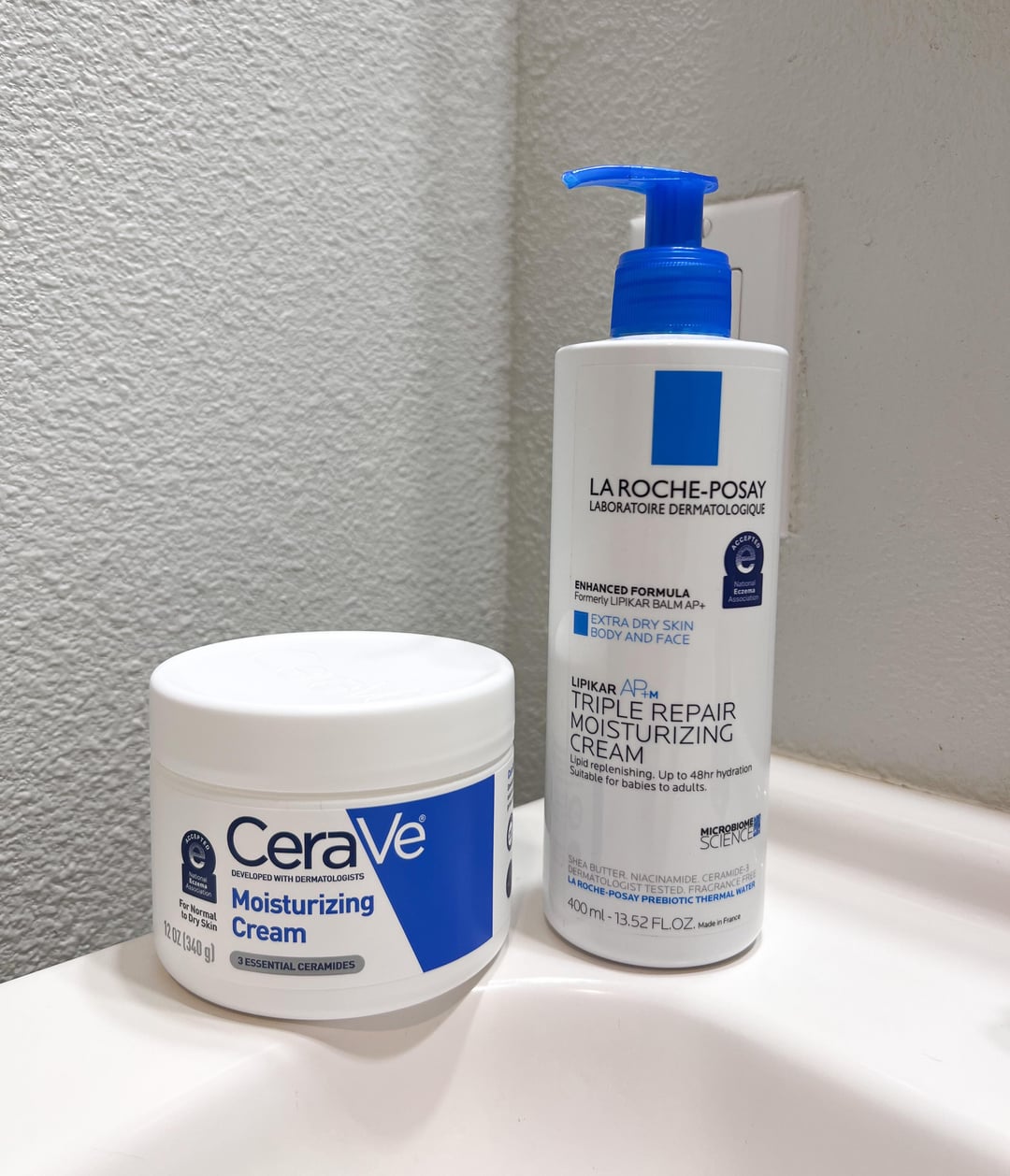
CeraVe Moisturizing Cream - around $19 for 19 oz. The closest direct competitor to Lipikar Baume AP+M for body use. CeraVe has the ceramide-niacinamide story and a larger tub for less money per ounce. On undamaged plus-size body skin, CeraVe is a fine and more affordable pick. Where Lipikar pulls ahead is on actively irritated skin - the post-chafe rash, the eczema-prone patches, the inner-thigh hyperpigmentation. CeraVe maintains. Lipikar repairs. For most plus-size readers, the honest answer is to own both - CeraVe Moisturizing Cream at Target for daily all-over body lotion and Lipikar for the trouble zones.
Cetaphil Moisturizing Cream - around $14 for 16 oz. The petrolatum-and-dimethicone occlusive picks up where ceramide creams stop. For overnight sealing on a thigh-chafe rash or an eczema flare, Cetaphil’s heavier base is what I would actually reach for if I did not have Lipikar in the cabinet. The downsides are that it is greasier on application and sleeps weirder against cotton sheets. For dry winter body skin on plus-size readers who run cold, Cetaphil Moisturizing Cream at Amazon earns its place. It is not a Lipikar replacement, it is a Lipikar partner.
CeraVe SA Smoothing Cream - around $16 for 8 oz. The closest dupe for KP treatment, and a real alternative to Lipikar Baume for keratosis pilaris specifically. The salicylic acid in CeraVe SA is doing the chemical exfoliation that Lipikar’s lower-percentage niacinamide cannot match. For upper-arm KP, my honest pattern is to use CeraVe SA twice a week and Lipikar daily, rather than treating them as one-or-the-other. If you are picking one, and your KP is the main concern, CeraVe SA wins. If your main concern is post-chafe hyperpigmentation and barrier repair, Lipikar wins.
Who should buy it
Buy Lipikar Baume AP+M if you have inner-thigh chafing, post-friction hyperpigmentation, dry patches under your bra band, eczema-prone body skin, or any of the body-skin concerns that show up more on plus-size bodies and get less coverage in mainstream skincare media. Buy Effaclar Duo if you have body acne on your back or chest and you have not had luck with body washes alone. Buy Anthelios Melt-In Milk SPF 60 if you have deep skin and you are tired of body sunscreens that leave a white cast or pill against fabric.
Skip Toleriane Hydrating Cleanser if your face skin is currently healthy and tolerant - Cetaphil will do the same job for less. Skip the facial Anthelios products if you have NC42-and-deeper skin until you can swatch them in person, because the white cast is real on the facial formulas in a way that the body milk version is not. Skip the whole brand if your barrier is fragrance-reactive and you are not willing to stay in the Toleriane subset of the line.
Where to buy and current pricing
La Roche-Posay is sold across the major mass and prestige retailers in the US, and the pricing is consistent across them. The Lipikar Baume AP+M 13.5 oz runs about $20 at Amazon , with Prime shipping when you need it fast, and the same price at Target if you are doing a Target run anyway. Ulta carries the full skincare line and has loyalty-points value if you are already a member - Effaclar Duo at Ulta is the easiest pickup if you also want to look at the rest of the brand’s range. Sephora has a smaller selection but the 60-day return window is the most forgiving if you are not sure the product will work for you.
Frequently asked questions
Does La Roche-Posay test on animals?
The brand is owned by L’Oreal, which has historically tested on animals where required by certain markets like mainland China. La Roche-Posay states it does not test on animals where it can avoid doing so, but the parent company’s policies do not make this a fully cruelty-free brand by the standards most consumers use. If cruelty-free certification is required for your purchase, look elsewhere.
Will Lipikar Baume AP+M help with strawberry skin on legs?
Partially. Strawberry skin is usually a combination of keratosis pilaris and post-shave irritation, and Lipikar helps with the irritation and barrier piece but does not provide the chemical exfoliation that KP responds to. Stack it with CeraVe SA Smoothing Cream or AmLactin twice a week for the exfoliation, and Lipikar daily for the moisture and barrier repair. The combination works better than either alone.
Is Effaclar Duo safe to use on a plus-size body during pregnancy?
The 5.5 percent benzoyl peroxide is generally considered safe topically during pregnancy in small amounts, but most OBs recommend asking before adding any acne active. If you need a pregnancy-friendly body acne option, ask your doctor and consider sulfur-based or azelaic acid products instead until you have clearance.
What is the difference between Lipikar Baume AP+M and the original Lipikar Baume?
The AP+M is the newer formulation with added niacinamide and is positioned for atopic-prone skin. The original Lipikar Baume (now harder to find in the US) had a simpler ingredient deck. For plus-size body concerns - chafing rash, post-friction hyperpigmentation, eczema-prone patches - the AP+M is the version to buy. The niacinamide is doing real work on the discoloration.
Final verdict
Worth the spend on the body side, choose carefully on the face side. The Lipikar Baume AP+M is the single strongest plus-size-specific pick in the brand and one of the better body care products on the US market for under $25. The Effaclar Duo earns its hype on body acne. The Anthelios Melt-In Milk SPF 60 deserves its reputation on deep skin. The face products are competent but not the reason to buy the brand. The Toleriane Hydrating Cleanser can be matched by any $9 drugstore cleanser; a second tube of Lipikar, one for the bathroom and one for the gym bag, is the smarter use of that money. Pull up your skincare cabinet, scan it for the body products you actually finish versus the face products you abandon, and let that be the buy-list. Start with [LINK:https://www.amazon.com/s?k=la+roche+posay+lipikar+baume+apm+13.52oz&tag=sidomex-20] Lipikar Baume AP+M on Amazon [/LINK] , give it a real two weeks on the actual trouble zones, and decide from there.